How to Document Coercive Control & Abuse with Norma Peterson & Tracy Curtis I 134

 Apple Podcasts
 Spotify
 YouTube
 Amazon Music
 iHeartRadio
 Deezer
 PlayerFM
 Podcast Addict
 Podchaser
 PocketCasts
 Castro
 Castbox
 Goodpods
 Coercive control doesn’t always leave bruises. It leaves patterns, fear, and often a trail of behavior that can be incredibly difficult to explain—or prove—when a survivor finally asks for help.
In this bonus episode of Beyond the Statistics, Ingrid sits down with Norma Peterson of Document the Abuse and Tracy Curtis of EmpowerEd to talk about documenting coercive control, domestic abuse, and post-separation abuse in ways that can help survivors preserve important details and help professionals better understand the bigger picture.
Norma explains the Evidentiary Abuse Affidavit (EAA), a free, secure digital diary designed to help victims and survivors document abuse as it happens rather than trying to reconstruct months or years of events later. They discuss what to document—including incidents that may seem insignificant on their own—how coercive control develops through patterns of behavior, and why one act of violence can continue functioning as a threat long after the physical incident is over.
The conversation also explores documentation security, notarization, discoverability in court, family court culture, gaps in professional training, and the language used by media and institutions that can minimize domestic violence.
Norma and Tracy also share what’s ahead, including efforts to expand access to documentation resources through law enforcement partnerships and a collaboration with Statute Finder designed to help survivors better understand potential legal thresholds in their state.
Because sometimes the evidence of abuse isn’t one dramatic event. It’s the pattern.
Norma and Tracy’s Episodes:
Norma’s Episode #103: https://www.beyondthestatisticspodcast.com/103-how-documenting-abuse-saves-lives-with-norma-peterson/
Tracy’s Episode #129: https://www.beyondthestatisticspodcast.com/what-is-coercive-control-understanding-the-pattern-behind-domestic-abuse-with-tracy-curtis-i-ep-12/
Norma’s Links:
https://www.beyondthestatisticspodcast.com/guests/norma-peterson/
https://www.instagram.com/documenttheabuse
https://www.facebook.com/DocumentTheAbuse
linkedin.com/company/documenttheabuse/
Tracy’s Links:
https://www.beyondthestatisticspodcast.com/guests/tracy-curtis/
https://linkedin.com/in/tracycurtismacdvp
This podcast is intended for mature audiences. Some listeners may find the content distressing as episodes may include discussions of violence, human trafficking, and other forms of abuse, including emotional, psychological, sexual, financial, and physical. In many cases, names have been changed to protect those involved. Please note that the statements and opinions expressed by guests do not necessarily reflect my own.
If you are in the United States and need immediate support, contact the National Domestic Violence Hotline by calling 800-799-SAFE (7233) or texting START to 88788. If you're outside the United States, crisis resources are available at BeyondTheStatisticsPodcast.com/GetHelp.
Connect with Beyond the Statistics:
🌐 Website: https://www.BeyondTheStatisticsPodcast.com
📧 Email: BeyondTheStatisticsPodcast@gmail.com
📱 Follow on Facebook, Instagram, LinkedIn, TikTok, YouTube, and X: @BeyondStatsPod
If today's conversation meant something to you, please subscribe, leave a review, and share this episode. Every story shared helps another survivor know they are not alone.
Music: Tim Crowe
00:00 - Welcome And The Work Ahead
02:41 - EAA Explained As A Digital Diary
05:39 - Proving Coercive Control With Evidence
10:22 - Why Patterns Matter More Than Incidents
14:07 - What To Document Day To Day
17:01 - Coercive Control Laws Around The World
18:54 - How The EAA Form Is Built
21:19 - Notarization Discovery And Data Security
25:59 - When Witnesses Document Abuse
30:21 - Family Court And Post Separation Abuse
35:17 - Homicide Risk And Media Mislabels
39:13 - Getting EAA Into Police Stations
46:18 - New Tools Statute Finder And Next Steps
52:18 - Closing Resources And Listener Requests
Welcome And The Work Ahead
SPEAKER_01
Hi, Warriors. Welcome to a bonus episode of Beyond the Statistics. I'm your host, Ingrid. One thing I say over and over again to victims and survivors is that there is a literal army fighting for them and for us. Today I'm joined by two women who are very much part of that army and who have joined forces themselves. They're bringing together the evidentiary abuse affidavit and the work around coercive control. And I'm so excited to welcome back to the podcast Norma Peterson and Tracy Curtis. Here's our conversation. Norma and Tracy and Tracy and Norma. Hi, I'm so excited to have both of you on. How are you guys, Tracy? Hi, go first. I'm doing good. I'm hanging in there. So thanks for having me back. Me too. Norma. Me too. It's been a while, Norma. Listen, I have gotten such good feedback from both of your episodes. And that's one of the reasons I wanted to have both of you on. But then you guys also have something coming up that is exciting that I wanted you guys to talk about.
SPEAKER_02
Yes. Yes. We are co-presenting at the National Center for the Victims of Crime. And it's the first opportunity that we have to work together like this. So we're excited that we get to be able to do this together because I've been admiring Tracy's work for quite some time. And now that you've spoken with her, you know why. So there's that. So I mean, this element that we're going to get to, or this focus on coercive control as a part of domestic violence, as a part of how the EAA can come to bear on cases that contain these elements. So, you know, so excited about what this means for information, for spreading awareness. I mean, it's just, it's so exciting.
SPEAKER_01
It is. And so, Tracy, before you go, Norma, just in case somebody has not listened to your episode yet, can you do a quick rundown of what the EAA is?
EAA Explained As A Digital Diary
SPEAKER_02
As you see in the background back there, I know I try to do that all the time. So I, my name is Norma Peterson. I am the executive director of what is called Document the Abuse, which houses the evidentiary abuse affidavit or EAA for short, because that can be a mouthful for someone. But what the EAA is, is a free resource for victims of any kind of situation to which they may feel uh in danger or there are elements of violence that are involved that they want to write all this down, that's where the EAA comes in. It is a digital diary, it's a way for someone to get all their information together and it's held there on your behalf at no cost to you. And that's where the nonprofit part comes in. And the reason that I do this work is because I am the sister-in-law to missing Bolingbrook mother Stacey Peterson, who is coming up on 19 years missing out of Bolingbrook, Illinois. So uh I am there is uh a gentleman who is now serving time in prison, and uh there was a lot that came out of that case that would involve like go back and look at our episode kind of thing. But that's what drives the work that we do, and that's we want to make a difference for others so that people like my sister, both my sister-in-laws that went through such horrific circumstances, you know, along with so many others like Tracy's niece, and and and you know, having not having the elements in place or the the resources in place that could make a difference in how these cases come out or how they are addressed or how they go through the system, that we actually have a way that can change that, that that can circumvent some of the the injustices that some of these victim survivors are are dealing with. So that is my story.
SPEAKER_01
Yeah, yeah. And and Tracy, you and I talked about how coercive controls really and look, I have extra podcasters tonight. I usually put them away, but I've been gone all day, so I let them out and I'm not even gonna edit this out. This is raw. And this is a real life thing.
SPEAKER_02
Uh so Tracy, you and I'm being authentic ladies is authentic.
SPEAKER_01
Yes, yes, yes. I mean, that's what everyone expects from the three of us right now, right? Uh so Tracy, you and I talked about how coercive control is like at the heart of all abuse. So, how are you guys tying this all together?
Proving Coercive Control With Evidence
SPEAKER_00
You know, it was me and Norma connected on through LinkedIn several years ago. And the more that I started researching coercive control, the first person that popped into my head was Norma. We had a meeting and she talked about document the abuse. And the first question is always, well, how are we going to prove this? And the first thing I do is roll out the resource for document the abuse. Um, and so that it just felt it just fit so well together because that is when I start talking about coercive control, that's the first thing that they're asking is how we're gonna prove this. And it's I don't think it's any more authentic that it can be coming from the survivor, knowing that it's a secure site. I know, as being a survivor, still to this day, I have a hard time journaling anything because I always feel as though someone's gonna find it. Um, and I let them know it's a secure site. You don't have to worry about that. And I think just being able to give them that comfort, it just all kind of fell into place with me doing the coursive control, meeting Norma and her introducing document the abuse to me.
SPEAKER_01
You know, how did so you guys met on LinkedIn? How did that happen? I did I should have started with that. How did the two of you get connected?
SPEAKER_00
I think we just kind of saw each other's work and kind of like made the connection there. And then we it was pretty quick. We met in person.
SPEAKER_02
Yeah, we did fairly soon after that. And and then we figured out that, you know, she worked, we met at a Duncan. I'm a Duncan girl. I think we met a Duncan, right? I could swear we did. So um, but then we figured out that we kind of work in the same area also. So that was helpful to us, you know. So she was going into areas that I had wanted to get access to. And she's like, I can pull you into here, I can pull you into here. But there are some situations going on, and I'm not sure how you know how long I'm gonna be there or what's gonna go on. So it's like, you know what? Just keep in touch with me because where wherever you go, I want to follow you because it's her I want, you know, it's it's not so much the places that house the people, it's the people. And then people if you've got good people, others will gravitate towards that because then they know they can be trusted or that, or or I love the way they think, or they're they challenge me to think in other manners, you know, which is something Tracy does because if you watch her LinkedIn, which you know has been huge for both of us, if you watch her LinkedIn and you look at how her posts are resonating in a lot of the ways that she's being very upfront and honest and blunt about the deficiencies that we have, but how we can address them. So if you're going to point out a problem, the fact that you're bringing a solution to the table when you're addressing that problem each and every time is helpful because if you're gonna complain about it, then do something. And she's doing something. And this was one of the things that I loved about working with her. So, yes, we have kept, you know, in contact, and and it's like we've got to find a way to work together. We've got to find a way to work together. And I had the blessings of being accepted to make a presentation around document the abuse uh last year in Orlando, Florida for the National Center for the Victims of Crime. And it just so happened that they said, next year we are in Chicago. And I'm like, are you kidding me right now? So the first thing I do is I call her and I'm like, I can't believe this. They're coming to Chicago. Oh my gosh. You know, so it was all the excitement that comes with that. And it was kind of a no-brainer. It's like, here is a perfect opportunity for us to work, really work together to show in all the ways that we can a document the abuse is trying to, you know, work its way to wherever a victim is feeling this at, whether it's coercive control, whether it's uh um financial abuse, whether it's, you know, in whatever capacity someone's gonna perpetrate control over someone, because really that's all it comes down to, whatever in whatever capacity they do it in, you know, it's just that control. But now
Why Patterns Matter More Than Incidents
SPEAKER_02
we've got ways where we can address it. So now we're gonna talk specifically about coercive control because that is such a difficult thing to prove. But if in logging these things and and writing out these diaries at the time that they're happening because you feel safe enough to do so, now uh there's a timeline or there is a way to say, okay, it was this, it was this, because you one of the things that Dracy literally just wrote about here recently when it comes to the violence doesn't have to be a lot, it doesn't have to be, you know, all the time. It just has to be once, and it has to be enough that you understand now what I mean. And so now I don't have to really do this physical thing to you anymore because you know that by the virtue of the the way that I'm saying it, what I'm saying in particular, because it may not mean anything to anyone else. And these are the elements that you can start to write down. And this was what was so important about us working together is you know, I I'm taking words right out of her mouth because she's nodding her head going, yes. But this was the thing that she was pointing out was that, you know, if and so we've got a way to fix that, we've got a way to write this down, we've got a way because it's insidious and it's very difficult to prove. But the more that we can give someone to try to tell their story so that we believe survivors so that they can share what they know to be the truth. You know, now we like I said, now maybe what we do is we circumvent some of the injustices that are going on because we can't do so. So I mean, yeah, for me, this is a big thrill, and and being able to wrap it around this specific part of abuse in general. So whether it's domestic, in a uh intimate partner, you know, in whatever element it is, but cortical control can be in workplace type situations, you know, which is something that we don't often engage in terms of a thought process, because we've had bosses, or we've had people, or we've had managers, or you know, that maybe are using those very same elements that would be used in a personal relationship in order to be able to get people to work over time or work in in situations that they know to be dangerous because I can hold your paycheck or I can, you know, and I've only got to do it once.
SPEAKER_00
Yeah.
SPEAKER_02
And now that, you know, fear now becomes that element of course of control later. So I mean, it can be done in a lot of different formats, and so we're giving people it regardless of what it is, a tool that they can use and it's and it's there for them. Username, password, and you're good to go. Internet. You need some internet, although we do have it as a PDF if you want to print it out. So we even if you want to do it that way, you don't trust the computer, that's okay too.
SPEAKER_01
Print it out and you can fill it out. Well, and I think we talked about this in your episode, Tracy. And so I'm really going to encourage people if you haven't listened to either of these ladies' episodes, go back and listen to those. But just in case it's going to be a minute before they go, we have the place to document it and we have a name for what it is.
What To Document Day To Day
SPEAKER_01
What should people actually document? What are the key pieces that they should be putting in there so that it is something that is provable at a later time?
SPEAKER_00
With coercive control, I think that we don't really see it as abuse until it's named. And when I'm doing my trainings, you can just see the light bulb come on because now I've given somebody a name that they can write about. If they haven't come to that point yet, anything that they document that has happened, no matter how small they think it is, with the documentation, you want to be able to establish that pattern. Many people say that, well, coercive control isn't criminalized. But to work to get it criminalized, we have to be able to prove that it exists. And what and that's how we can do this with the documentation, because we're we're looking at those patterns. That's what we have to go on. And that's where at the conference, working with professionals, I'm just really excited because they do need to document. And again, it's the same thing goes for them. No how no matter how small they think it is, document it down because it's starting to establish that pattern. As professionals, we look at it as an incident, but if you document that incident and what took place in that incident, and then you do it the next time and the next time because we all know that an abuser won't stop. You know, they give you that I'm sorry it'll never happen again until it happens again. And so the professionals also need to be able to establish that pattern to prove it. I think this is, you know, and I just think this is one of the missing puzzle pieces that we have. We have for so long just ran in circles around the physical violence and the isolated incidents. The course of control is really starting to come on strong now. And that makes me really happy because that means there's gonna be more people out there talking about it. And then hopefully we'll get the professionals in that maybe know it exists, but maybe aren't really sure what it is. That we can start talking and having those conversations and conversations can turn into action, and actions turn into laws. So that's what I'm really hopeful for and excited. No matter how big, no matter how small, write it down because you're establishing that pattern.
Coercive Control Laws Around The World
SPEAKER_02
Arizona just did something in terms of recognition of coercive control as a as something that can be uh considered an element of abuse, if I am correct. So we do have, you know, you've got Canada, who also recognizes coercive control. There, I believe there are maybe some a beginning in the European states, I'm not sure, or you know, European countries, I'm not sure which one. I know I I think it was Ireland. Ireland, Scotland, UK, and Austria. Yeah, I I know that they're you know the beginning of that because for so long it was it wasn't considered as a separate type of recognition of certain behaviors. But like you said, it is. I mean, it it it deserves its own category, if you will, category. Uh who was it, Dr. Evan Stark, who really started a lot of that. You know, he's he's probably you know the godfather of I think what you would consider, you know, that that whole coercive control movement. So, you know, if you really want to find out how it all got started, I would say, you know, start with him. But a lot of us who who started watching that work, and it's like, wow, you know, like Tracy says, it's like literally watching someone's light bulb go off above their head when they finally get a name for a set of behaviors they know have been perpetrated against them, but yet haven't had a recognition or you know, have been gaslit to think that this isn't, but now we've got a name for it, and there's a set of behaviors, and it it requires patterns.
How The EAA Form Is Built
SPEAKER_02
And the thing with the evidentiary abuse affidavit, which is located on documentheabuse.org.com, and is a very simple thing to get a hold of, but what it does is it's a very simple form. So we're doing uh um information about the person being uh abused that's filling this out about the abuser, and then in that third page, we're asking for these instances of these patterns of behavior, so in so much as when someone is shoving you up against a wall, if someone is uh has now used violence against you and now is using that fear uh to say things to you, and that that is just I mean, it may not like Tracy said, seem like much, but your inner senses, your gut is telling you there's something to this because I feel it. Uh if you feel it, then you know it's a valid, it's it's a valid thing that's going on. That's what you write down. That's what you write down. Because you know, and and that person who's saying it knows you know, because they've perpetrated some type of behavior against you that brought that reality of oh, if I don't do what I'm told, here it is. Now I felt it, but I don't want to feel it again. It's like a kid with that has felt a hot stove. I don't want to do that again, so I'm gonna do my best. And all this person has to do is push that flame up and that person gets it. And you can write that down. Yes. You can write that down because you know in your head, if it's making you feel like that, that that's the end result that was wanted. That's what they wanted, that's what that abuser wanted from you. They wanted you to feel that. And if you feel that, then that's your gut telling you, I should be writing this down, and then keep writing it down, and then keep writing it down. And it doesn't matter how many times you go to it. So, you know, you can write it down uh um so that we can prove that pattern. We can prove that behavior.
Notarization Discovery And Data Security
SPEAKER_02
We highly uh encourage people because you don't want to tell people what to do, but it is it's your it's your autonomy to do what you want to with your stories. We highly encourage people to get them notarized because in notarization it now becomes an affidavit, like a for real affidavit, and now it it is proof of what you went on. Is it discoverable? Yes, it is. If you're going through a a system to which now you've engaged the legal system and you're going through court, there are certain things that we are not going to be able to avoid, but you can start a new one. Start a new one, and it is gonna prove your point. So even if it is something that winds up coming to court, it's now something someone has to answer for. Because now here is my proof. So either way it works for you. And they're not deletable. So nobody can go in there and delete these. So even if by some crazy happenstance they're accessed and and With the username and a password. So as long as you don't tell anybody your username or password, you're okay. Just, you know, you can with internet, you can go to your uh uh best friend's house, library, church, you know, school, anywhere. But the the thing being that even in the event that someone were to get on there that wasn't supposed to be on there, they can't go in there and delete anything because we didn't want that to happen. We didn't want anybody to go in and start messing with things in the off chance that it ever happened. So we've got we've got a lot of security protocols that went into place before we we we did this, you know, uh victims' security and and their peace of mind is always at the forefront of everything we do. Everything we do. So they're never opened, they're they're never looked at, they're um they can't be accessed without you know, there being uh legalities involved, like uh um, you know, and and there's a lot of instances. So again, going back to our episode there, but you know, we did our best to make security, like I said, our our our thing because like Tracy said, you know, that's we need victims to feel safe. We need to believe victims, we need to believe survivors. And so they need to believe in themselves and they need to believe in what's going on with them, and that's the crux of why we do what we do. We believe you. We want you to believe you. And now we want you to be able to take that and use it to the best of your ability and never have to worry about it. Yeah.
SPEAKER_01
Can someone who's not the direct victim also start an EAA?
SPEAKER_02
Yes, they can. And I don't mean to smile like that, but it, you know, it's it, I like I said, I feel so weird when I get excited about all these things because it's like, okay, we're not talking about, you know, flowers and sunshine exactly here, but I'm getting all excited because but when you think about what it can do for someone, okay, so if I can't get somebody to fill it out because they just don't feel safe doing it, or they don't trust the computer, whatever the case may be. If I'm witnessing this, it's my best friend, to my sister, to my brother, it's my co-worker, I can start to write this down because now I may become that corroborating witness. I may become the person that then says or substantiates, because let's say I start writing it down because we've had uh there's been record where it happened in a workplace violence type of situation where um a woman was witnessing her her coworker being abused by his significant others. And he when he would come in, when she would call, he would get all freaked out, and there would be all kinds of things that would go on. She started writing all this down because then he started coming in with bruises, and she started really getting concerned. And so she's writing it down. She's doing a diary. Now, it wasn't the EAA itself, but what it did was something really bad happened to him at the hands of his significant others. Her testimony and
When Witnesses Document Abuse
SPEAKER_02
her proof of what she had written down all that time in witnessing this wound up being the corroborating evidence. So now we get justice. So now if I can't get somebody to do it, maybe I can do it. If they send me pictures, if they're sending me text, because you can upload police reports, hospital, hospital reports, screen captures, emails, text messages, anything that helps to substantiate, corroborate, or validate what you're stating. So anything helps. You can put it in there, you know. So again, building that pattern of behavior. You know, going back to that. So, you know, you can feel safe putting all of your things in there. You're the only one that sees it. You decide how you want to do it. And again, going back to safety and security being of the utmost importance, always, always, always, always.
SPEAKER_01
So back to the term of coercive control. I have, I just recently interviewed a woman, brilliant woman. And hi, Dr. Evers, she she listens, so she's probably going to listen to this. Her episode's actually going to go up after this one because I'm saving hers, impatiently saving hers for October for domestic violence awareness month. But she is in the Netherlands, and they are not quite up to par with a lot of I don't, I couldn't, I don't know that I can say that America's at the top of you know, lead in the pack. We're doing some things right, but we I feel that, you know, maybe the UK has a better handle on on certain things, especially coercive control, like you mentioned, Tracy. But so Sandra was saying with coercive control, she she's not a fan of the terminology because she feels that she wanted to call it, oh my gosh, and I loved it, um, psychological violence is what she wants, because she wanted it to have a little bit more oomph for what it actually does to a person. What do you think? What are your thoughts on that?
SPEAKER_00
I I stay away from the word violence because when we say violence, we automatically kind of go to that physical violence. Because I've even changed my terminology because language matters. So I try and not say domestic violence. I'll try and say domestic abuse because then we start thinking of it as a whole and all the different forms. So um I've heard that before as far as people not liking the term, but it it is what it is. It's coercion. They're using something to instill and get that fear. That's what coercion is. So that's where it's coercive control because that's what you use the coercion to get that control or domination over that other person. So I think we can all have things that we like and we don't like, and that's what it makes so amazing with people bringing this all to the table to collaborate like that. So it's my personal preference that I'm okay with coercive control, but we want to hear other voices in the conversation so we can really get this pushed out here in the States. Because, like you said, the States is very far behind in domestic abuse. Scotland, I think, was the original, and they've had coercive control laws since like 2018. They're the one considered the gold standard of coercive control in their definition. Um, the UK is is hot on it as well. They were one of the original people that um criminalized it. So if we can just bring all the voices to the table, we need these conversations like that. As long as we have we have awareness, we want to move beyond that and get people to take the action. So we have to have that collaboration. So it's neither you can't really say someone's wrong or someone's right. It's what we're all our collective voices. As long as we can get it out there and keep victims safe, that's what's important.
Family Court And Post Separation Abuse
SPEAKER_01
So I would say a lot of victims understand, a lot of survivors understand the the care the traits behind coercive control. I I believe that there are some professionals that are at least educated on the term. But so how do we how do we get to that point? Because I think even if you take coercive control out of it, if you just look at blatant abuse, a lot of our judges are not getting it. Uh specifically in family court. There's, I mean, you can just flip through pages and pages or scroll through screens and screens of children who are getting taken away from protective parents or getting put with the abusive parent, or even if it's not, you know, 100% to the abusive parent, it's still, well, that parent always has a right to parenting time. And how do we how do we get that just like blast it out for everybody to understand that if there is coercive control present, even if it's in an intimate partner relationship, that's going to trickle into the children because the children are going to be used as pawns. As we all know, the control, the abuse doesn't stop when the the relationship stops.
SPEAKER_00
Crap. Um we have one of the fix the world. Sorry, I'm like, can you just fix the world, Tracy? What do we do? It's prevent education is our best tool that we have right now. When we're talking about judges, attorneys, you know, family law, that is where post-separation abuse is rampant. And they don't have physical proximity, so that's where coercive control really kicks up. Um, of course, after they try and love bomb you back right into the so we don't have to go to court. But when she stands firm, that's when it really starts to kick up. Um you can lead a horse to water, you can't make them drink. We still need to educate, we still need to have our voices in there, we still need to collaborate and get more professionals on board of what this is. And I can just tell by LinkedIn, it's really starting to kick in that those terms, it's it's out there. We've got now post-separation abuse, we've got that coercive control. I really admire the work in the family um law, is Dr. Christine Cochola. She does a lot for family, um, for families and children. And she talks a lot about the coercive control and the impact of that on the kids. So she, I I love listening to her work. She's doing a lot in that arena, and it's so important because those kids manipulators, abusers are so good at the manipulation that they look like the credible person. And over here is this fraught victim survivor that is just getting stuff raffled off at her. And he's like, See, I told you she was crazy. So who's the credible parent? Right now, it looks like the abuser. So we this is where we have to have these talks about coercive control because that's what it is, and they need the judges and the attorneys and law enforcement, they've got to start tying this together because what we're doing right now is not working. Domestic homicides continue to rise. I've had people that want to kind of go with me on that and saying, oh no, they've decreased. I'm like, weird. Every time I open up just locally here, the news, there's something else, a domestic homicide. And I'm like, I don't see this as being a decrease. I see it's level or it's increased.
SPEAKER_01
I actually I was just reading the uh the domestic homicide that happened. I want to say it was in Montana, and it was a man in his 40s who was living with his parents. His parents asked him to move out, and he came back during a family dinner, and he killed his mother, his father, his sister, and his sister was there with her two children and her two stepchildren, and
Homicide Risk And Media Mislabels
SPEAKER_01
he killed all of them. Uh, and uh I think he lit the house on fire and briefly, and I I I apologize because I didn't fact-check this at all, but it was like the 22nd mass shooting because he he shot all of them uh in since this year. And out of the 22 mass shootings, 18 of them were domestically related, which in the past, I want to say it was supposed to be supposedly around 50% of mass shootings were related to some sort of domestic abuse violence. And that obviously shows that statistic is not accurate, at least this year.
SPEAKER_00
Another thing that the media likes to do is they like to call it, oh, the community's not in at any risk. It was a domestic incident. What does incident make us think of? An isolated thing. If you look back, even with this family, because we primarily look at IPv, in a minute partner violence versus the family violence like that, and somehow it's skewed just because it's not your partner, it's your mother or father or child. So we have to kind of all put that together and not the media is another one that we're gonna have to educate because when you're talking about domestic incidents, these are more than incidents, these are more than isolated um events. They are that whole pattern. And if you look back, if they would have had document the abuse to document it down, we would have been able to establish that. But the biggest thing with that, we don't want it to get to a homicide. We have to be able to recognize the escalation and the risk in the patterns.
SPEAKER_01
Yeah, and I just to piggyback off the verbiage thing, other I hate altercation. I hate domestic, um, which one did you say? Dispute? Incident. Incident, incident, yeah. So altercation, dispute, incident. That makes it sound that it was a two-way thing. There was a dispute, they were arguing, one of them got carried away. Or yeah, I I just I can't stand, and those are the those are the headlines that hit the news. It's never this person, this person died by homicide. Like this person just killed them. Because if it was somebody you didn't know, if you opened the door and it was somebody you didn't know and they shot and killed you, it would be a homicide. But if it was your ex-partner, that's an altercation, dispute, or incident.
SPEAKER_00
Right. And in family court, they like to use the word high conflict.
SPEAKER_01
That's another one.
SPEAKER_00
I can't say another one either. This is this is not conflict, this is abuse. So, yeah, we've really again, one of my big things is language matters. It really does. Um, it can definitely kind of skew your perception of what it actually is. If we can start using the right terminology, then maybe we can start to have society understand that what she's living or a mama or dad's living through, whoever the abuser is, what they're actually living through. It's not a crime of passion. It's not, oh, they snapped. This is a result of a pattern of abuse. And it could be my niece was murdered and she was only with this guy for four months. So it doesn't have to be an extended time. It can be fairly quick. Sometimes it escalates quickly. But as professionals, if we can look at the documentation, if we teach professionals to learn how to document correctly, hopefully we can save more lives because hopefully we'll be able to recognize that escalation.
Getting EAA Into Police Stations
SPEAKER_01
And Norma, I know you have been doing so much legwork trying to get EAA recommended by all sorts of professionals all over the place. How is that going?
SPEAKER_02
Actually, we recently just received a um, which hopefully by the time you know uh this comes or or this comes out, I just found out recently, we had pitched um doing a program with um the police social workers that are in our county and had pitched um, you know, uh one of to get a grant to get them iPads so that they would have available to them so that when they come in, and so we're gonna start with one county and we're gonna test it out and we're gonna get it to the police social workers. And so assuming that if they're getting to this point that they're engaging with this, there's more than likely a history that then can be, you know, written down. And so in the safety of their office, in the safety of their presence, they can then say, Do you would you like to fill this out if they need any help? You know, there is someone there. But the thing is being that they will now have immediate access right inside of the police stations, right inside. Right. So that's awesome. I am very excited about that.
SPEAKER_01
She's very excitable.
SPEAKER_02
I know I'm trying so hard to become. So now we're into law enforcement. I uh um have uh I am on the uh a fatality, near fatality domestic violence review board that's here in Illinois. We are wrapping up our first uh term, if you will. We've looked at quite a few cases, the things that I have learned, and I mean, just I feel like it is a work in progress. And and I know it feels like that change is not coming. And I know it feels like it's very incremental. But in the time period that I've been doing this, the things that I see that are going on give me faith that there are a lot of people who are hearing us. There are a lot of people who want this system to change because I see it. Because the fact that we're doing this fatality review board here in Illinois so that we can learn our lessons. Where did we fail? Where were the cracks? Where, what, what, you know, in what what way were we not providing? Is there a way that we can do something to change it, you know, for someone else? So being able to be a part of that, you know, and now uh I'm gonna have the opportunity to then take this and be in a more advisory position for the next term that comes in. So now it's like, so, you know, and then getting the EAA into all of those people that are part of that, you know, speaking at the the center. We're putting trainings online here in the next couple of um uh actually in the next couple of weeks, hopefully before the conference, we should have those bad boys up there. And so we're taking advantage of every opportunity that we can in order to get this awareness out there. And we're getting inquiries all the time from people all over. And I mean, when I mean all over, I mean like all over, all over in terms of even other countries and things like that, you know, a lot of interest. And if, you know, a lot of this goes back to, you know, they say that a lot of the professionals don't use LinkedIn, but for service providers and people who engage in those systems, LinkedIn's really a uh uh a go-to for us because the people that I have, you know, quote unquote met, but I feel like I know, Ingrid.
SPEAKER_01
How have we not met yet?
SPEAKER_02
This is what I mean. I it's it's I mean, it really is a space and a place where you can reach the people that normally you wouldn't have access to. And this is gonna come to bear for us because we're gonna be making some big announcements about some things that are gonna be happening for Document the Abuse next year that we are planning for October of 2027.
SPEAKER_01
Awesome. Oh, I'm so excited.
SPEAKER_02
We'll be releasing that information at the uh conference. So we'll be taking advantage of all of those, all of those contacts that we have, you know, reached out to. And so that's where like Tracy, I feel like people are you you are starting to see the shift, and you are starting to see that there are others out there within the communities that we think aren't listening that are listening, you know, and are really trying to make a difference. You know, watching my uh I work in a family violence coordinating council and watching the judges that you know help run us, watching how they're addressing things and how you know fired up they are about about change. The system and about bringing resources and about looking at things differently. You know, the fact that we have people like that that are willing to take a look at things like that, give us faith that while it may be incremental and it may not be all over and it may not be consistent, it is happening. It is happening, and we're getting out there. And like Tracy said, every time an opportunity like this comes to your door and you get to do this because I think at the National Center for the Victims of Crime, they have six to seven hundred attendees that may go through here. So now you've got all these people that then can take that knowledge out. So hopefully that's that's what you keep doing is you know, hopefully everybody who hears this now tells, goes and looks for document the abuse or empowered and you know, starts looking at our stuff and and maybe reaching out for that resource and you know, checking out our newsletters. We've got a lot of great information in our newsletters. Our newsletters are so informative and can really help bring home why you should be using this or why you should be, you know, uh um recognizing some of these things or how you can get involved, or just there's so much great information on there. So if anybody does get a chance, but that's how you get it out there, that's how you keep working at it. So yeah, there's a lot of opportunities coming our way and things that are going on. So, you know, we're really excited and it is getting out there.
SPEAKER_01
That's awesome. Uh, I want to talk to you guys after sorry, listeners, I want to talk to them after we finish recording. So I'm gonna try to wrap this up because I don't want to take up your whole evening. Is there anything you guys want to add before we we close this out?
New Tools Statute Finder And Next Steps
SPEAKER_00
I just want to add that through my company Empowered, I'm working on a tool to help professionals kind of uh uh recognize the pattern and the escalation. So I'm not sure when it's gonna be out. We're still kind of hammering things out, but it might be a good tool to use for documented use. So you just kind of as a guide for people to really understand what they're experiencing as a pattern. So stay tuned. We're we're still working on that. It's in the works.
SPEAKER_01
Oh, I like that because you can you dismiss it and dismiss it and dismiss it. And like I know for myself, I felt it. It was like I was on the edge of a storm. I saw the storm coming, I knew it was coming. I still ignored it. And then the storm came and like freaking blew me out. And so I that is really that's really interesting that you're doing that. I actually also sorry, off topic, but I bought that book that you told me to get to give to my friend. Um, how something oh how like violence can progress to where it can end up. I'm totally messing up this title.
SPEAKER_00
Dr. Jane Monckton Smith. She's um a criminologist um from the UK, and it's kind of the homicide timeline is basically what it is, and it goes through the eight stages of what it leads up to to the homicide. Absolutely. It's a very good book. Very good.
SPEAKER_01
Okay. All right. So all patterns and all sorts of documentation and patterns and studies. I love this. Okay. What this is your last chance. Is there anything else you guys want to add?
SPEAKER_02
Okay, of course. So we had an addition to uh document the abuse or to the EAA here recently. We now um have partnered with statutefinder.org. So uh the young man's name is Raphael Tesla. I don't know if you've had uh Tesla Tesla. If you haven't had a chance to talk to him, that should be one of your your next interviews. Very interesting young man. And we are partnering with him, with the statute finder that he created with his mother because he was a victim. So what statute and it and it sits outside of the EAA on our website, and what it is is it's a way for victims as they you know are writing things down, maybe they don't realize that this actually comes to the you know threshold of a statute that has been broken or or you know, however that that terminology needs to be, but where you would then recognize, okay, in this state, this is the statute based on the information that you've given me that could be broken. And now you can advocate on your own behalf to say to someone maybe in law enforcement or the legal system, okay, here's what happened to me, and they well, there's nothing we can do or that. No law was broken. Well, I beg to differ for just a moment here, you know, and we don't really want to go and make everybody, you know, junior police or anything like that. But by the same token, what he's doing is he's he's empowering people to know what's going on with them and what they can do about it, and that there are actual legal ramifications that could be associated with those given behaviors, you know, and if so that's what statute finder does. So you can give it that information. It's a process you can decide to engage into. It is not a mandatory, but we we really, really, really liked what he was doing in terms of uh I mean, just that he wanted to provide this, the what he had gone through in order to be able to do so. The fact that he vetted it in security-wise, the way that he did, the way that he promotes it. He really just wants to empower victim survivors to know what they can can advocate for themselves for, you know, and and to know with un with certainty that these are the things and within the area that they're in, so that everything is is pertinent information. And we just found that to be amazing. So that's something that has uh recently been added is that is this partnership. So uh he partners with a lot of different people. So, you know, if that's something that sounds interesting to you, go check him out. He's he's another one. He's again a LinkedIn, you know, connection and that wound up just being amazing. And now we're working together and we have a partnership. So it's amazing how these partnerships can, you know, be to the benefit not just of ourselves, but for the people around us that hopefully we can communicate this information to and maybe it makes a difference to them. You know, this is what's so cool about being able to do these conferences, you know, and now uh I've applied for a few more of them. So we'll see what comes next. So, you know, fingers crossed that you know, we get to keep spreading the word like we do. So we like being able to do that.
SPEAKER_01
Okay. I am so happy that you guys were able to find time to spend with me. And I'm sure we're I'm probably going to ask you guys to do this again sometime down the line, and it will for sure take in touch. And one day, one day we're gonna meet in person.
SPEAKER_02
Oh, it'll be quicker than you think, Angry.
SPEAKER_01
Well, I'm gonna hold you to that. All right, okay, thank you guys so much.
Closing Resources And Listener Requests
SPEAKER_01
All right, thank you so, so, so, so much, Norma and Tracy, for joining me again. And thank you, Warriors, for listening. I'm including the links to Norma and Tracy's previous episodes, as well as all of their links and websites in the show notes. I will be back this Wednesday with a regular episode for you. Until then, stay strong. And wherever you are in your journey, always remember you are not alone. To learn more, explore episode resources, browse a collections, or register as a guest, visit Beyond the Statistics Podcast.com. If today's episode meant something to you, please share it with someone who may need it. Don't forget to subscribe, leave a review, and follow Beyond the Statistics on social media. Beyond the Statistics is a.5 Panoy production. Music written and performed by Tim Crow.
Executive Director
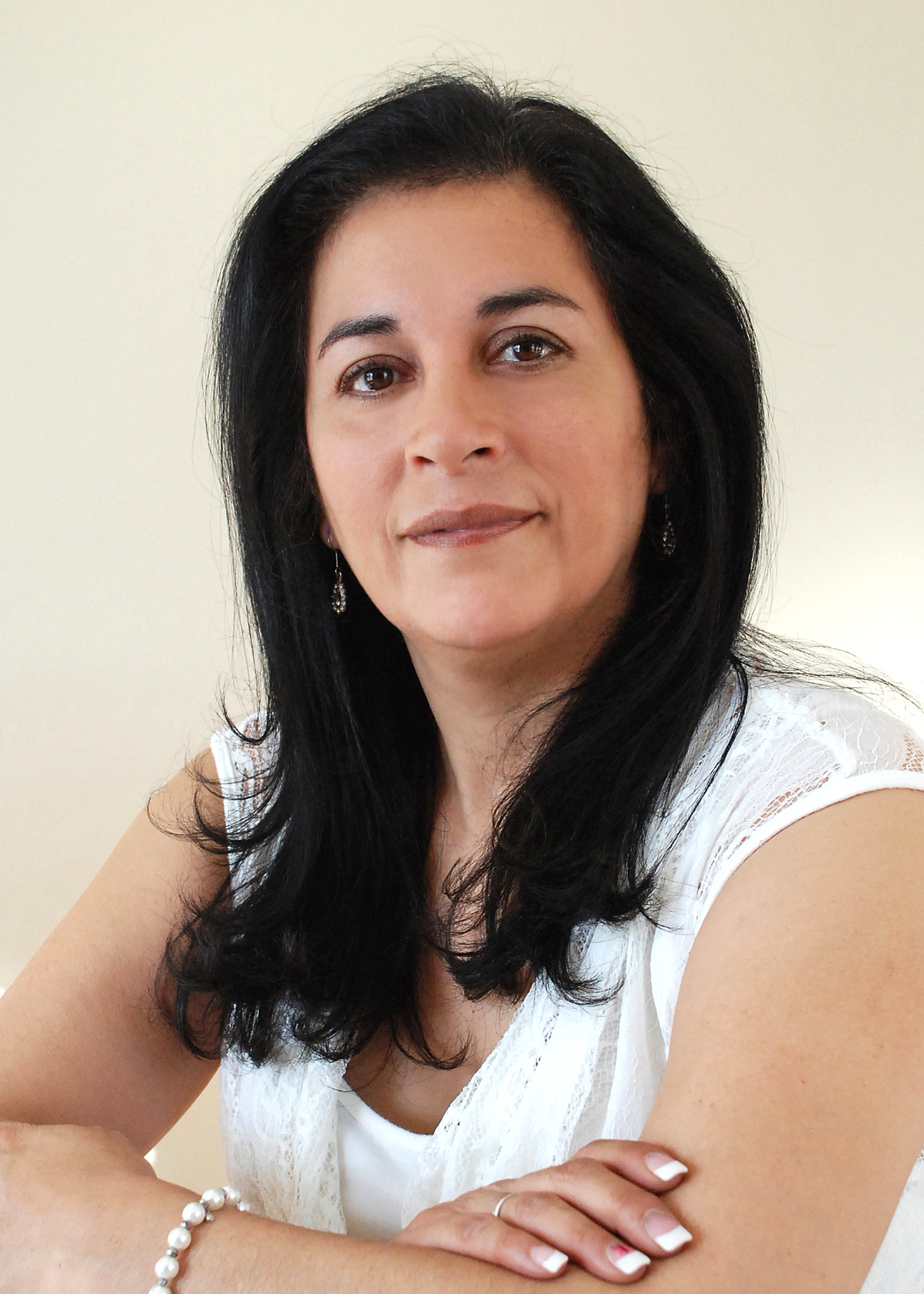
Norma Peterson is the sister-in-law of Stacy Peterson, whose disappearance in 2007 brought national attention and placed Norma’s family under intense public scrutiny. Drawing from that painful experience, Norma has since dedicated herself to supporting victims of domestic violence and raising awareness about the Evidentiary Abuse Affidavit (EAA) — a prevention tool that helps victims document critical information that could aid investigations and prosecutions if they go missing or are harmed.
Through her advocacy, Norma works with law enforcement, judicial systems, and legislators to integrate the EAA into domestic violence protocols. She also assists victims in creating their own affidavits.
Norma is a frequent speaker, trainer, and advocate, educating law enforcement, first responders, victim advocates, community groups, and professionals on supporting victims and documenting abuse. Her outreach includes numerous media appearances (OWN, Oxygen, Reelz UK, NBC, CBS, WGN, podcasts) and presentations at national conferences such as the National Missing Persons Conference and NAWLEE, National Center for Victims of Crime among others.
She actively serves on the DuPage Family Violence Coordinating Council and the Illinois DV Fatality Review Board, and partners with organizations like CUE Center and Community United Effort (CUE). Her mission is to give survivors and victims’ a voice, provide tools for protection, and change how communities respond to abuse and missing persons cases.
Founder/Domestic Abuse Educator
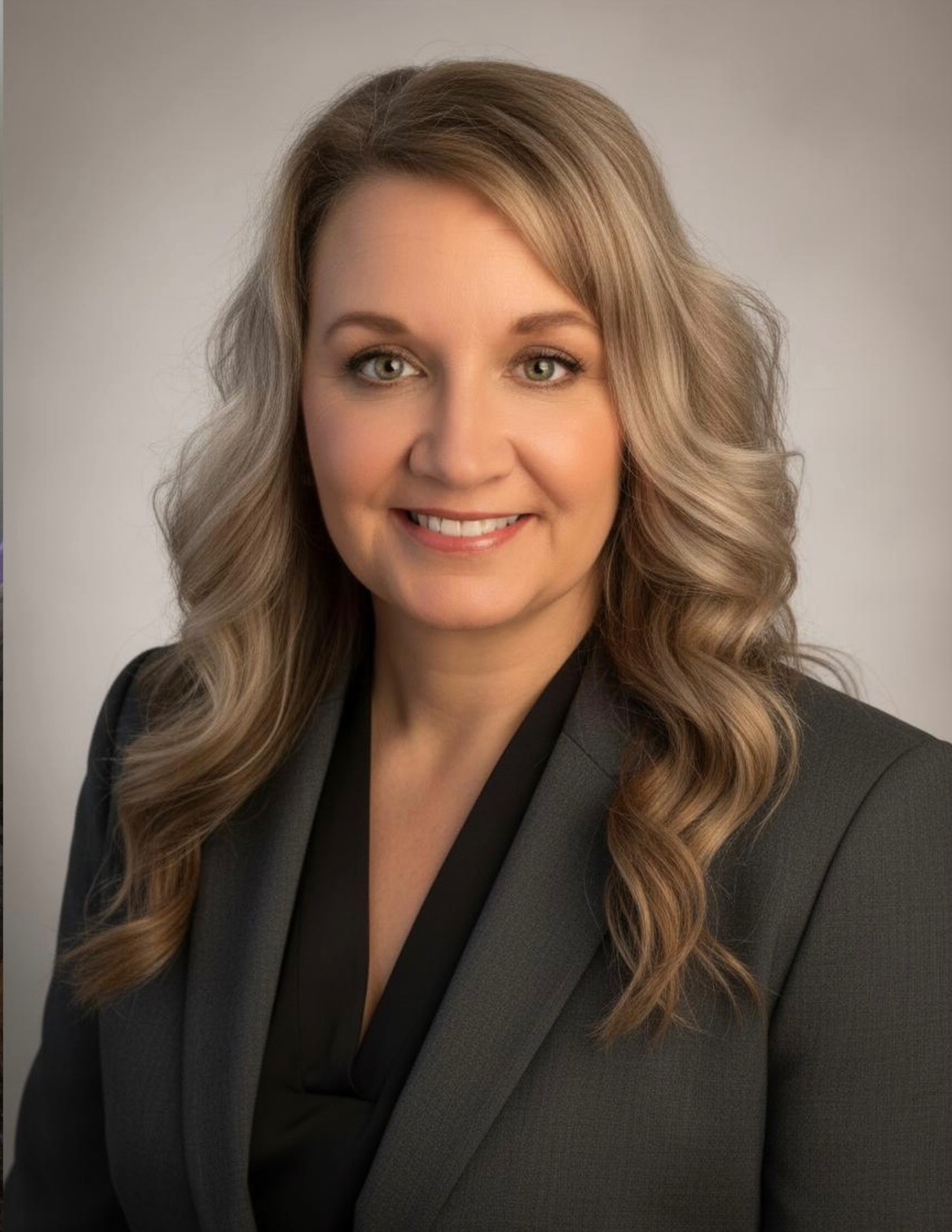
Tracy Curtis is the founder of EmpowerED and a passionate advocate for domestic abuse
education, coercive control awareness, and systems change. She holds a Master’s degree in
Forensic Psychology and is a Certified Domestic Violence Professional (CDVP). Through her
work, Tracy educates professionals, organizations, and communities on the hidden dynamics of
abuse that often go unseen, particularly within healthcare and community systems. She is
committed to turning awareness into accountability and action by creating conversations that
challenge misconceptions, encourage collaboration, and promote safer, more informed
responses to survivors of abuse.
