How Human Trafficking Really Works: Sextortion, Grooming & Intervention with Laura Parker I Ep. 141

 Apple Podcasts
 Spotify
 YouTube
 Amazon Music
 iHeartRadio
 Deezer
 PlayerFM
 Podcast Addict
 Podchaser
 PocketCasts
 Castro
 Castbox
 Goodpods
 Human trafficking can feel distant—until you see the patterns, the people being targeted, and the routes traffickers use to move them.
In this episode of Beyond the Statistics, Ingrid Dutton sits down with Laura Parker, CEO and co-founder of The Exodus Road, to go inside the realities of human trafficking intervention, sex trafficking prevention, online grooming, and sextortion.
Laura shares how she and her husband went from teaching and pastoring to working alongside law enforcement, going undercover, and eventually building an international anti-trafficking organization.
What does human trafficking intervention actually look like? Laura explains how teams identify potential victims, gather evidence that law enforcement can use, navigate the risks posed by organized crime, and build trusted partnerships with local authorities. She also takes us behind the scenes of leading an anti-trafficking nonprofit, where the need is enormous and resources are never unlimited.
The conversation then turns to a growing threat facing children and teens in the United States: online sexual exploitation.
Laura explains how online grooming and sextortion happen, why young people are being targeted, and what parents and educators need to understand before a crisis occurs. She also introduces Influenced, The Exodus Road’s prevention education program designed to help families build practical digital safety skills.
This conversation goes beyond awareness to examine what intervention, prevention, and meaningful action against human trafficking can actually look like.
Topics include:
• Human trafficking and sex trafficking
• Anti-trafficking investigations and intervention
• Online grooming and child exploitation
• Sextortion of children and teens
• Digital safety for families
• Working with law enforcement
• Human trafficking prevention
• Survivor-informed anti-trafficking efforts
• The Exodus Road
• Influenced prevention education
Laura’s Links:
https://www.beyondthestatisticspodcast.com/guests/laura-parker/
https://www.instagram.com/iamlauraparker
https://www.youtube.com/theexodusroad%20
https://www.facebook.com/TheExodusRoad/
https://www.linkedin.com/in/laura-parker-223677112/
This podcast is intended for mature audiences. Some listeners may find the content distressing as episodes may include discussions of violence, human trafficking, and other forms of abuse, including emotional, psychological, sexual, financial, and physical. In many cases, names have been changed to protect those involved. Please note that the statements and opinions expressed by guests do not necessarily reflect my own.
If you are in the United States and need immediate support, contact the National Domestic Violence Hotline by calling 800-799-SAFE (7233) or texting START to 88788. If you're outside the United States, crisis resources are available at BeyondTheStatisticsPodcast.com/GetHelp.
Connect with Beyond the Statistics:
🌐 Website: https://www.BeyondTheStatisticsPodcast.com
💜 Join the Beyond the Statistics Community: https://www.patreon.com/BeyondTheStatisticsPodcast
📧 Email: BeyondTheStatisticsPodcast@gmail.com
📱 Follow on Facebook, Instagram, LinkedIn, TikTok, YouTube, and X: @BeyondStatsPod
If today’s conversation meant something to you, subscribe, leave a review, and share this episode. And if you’d like to continue the conversation beyond the episode, I’d love to have you join us in the Beyond the Statistics Community.
Every story shared helps another survivor know they are not alone.
Music: Tim Crowe
00:00 - Welcome And Meet Laura Parker
02:57 - From Colorado To Northern Thailand
04:33 - “No Pretty Girls” And A Warning
07:56 - A Tip Leads To Bangkok
10:17 - The River Moment And The Yes
14:02 - Partnering With Police Undercover
17:16 - Evidence, Risk, And Organized Crime
18:35 - Scaling Casework Beyond Thailand
24:22 - Hiring Teams Across Multiple Countries
24:33 - The Nonprofit Funding Tug Of War
28:51 - Learning Leadership Without A Playbook
31:31 - Raising Kids Around Heavy Stories
34:46 - Exploitation Moves Online After COVID
37:53 - Sextortion And How It Works
41:58 - Building Influenced For Digital Safety
53:53 - A Five Year Vision For Scale
55:33 - How To Support The Work
57:54 - Proximity Informs Your Next Right Thing
59:54 - Closing, Resources, And What’s Next
Welcome And Meet Laura Parker
SPEAKER_00
Hi, Warriors. Welcome to Beyond the Statistics. I'm your host, Ingrid. Today, my guest is Laura Parker, CEO of The Exodus Road, a nonprofit working to combat human trafficking and exploitation around the world. Laura shares how she and her husband, then a teacher and community pastor, found themselves pulled into the world of anti-trafficking work and how what they witnessed ultimately led them to build an organization that now spans multiple countries. We talk about that unexpected journey, what they've learned along the way, and the work being done today to fight human trafficking and exploitation. Hi, Laura. Welcome to Beyond the Statistics. I am very excited to have you on today. I am so excited to be here with you all. Thanks for having me. This is going to be, I think, a very, very incredible conversation, story, everything we're going to hear before we get into all of that. Can you share just a little bit about yourself so that those listening get a bit of an idea of who we're talking to here?
SPEAKER_01
Yeah. So I am the CEO and co-founder of an anti-human trafficking nonprofit called The Exodus Road. And we are a global nonprofit. I'm a mom to three kids. They are ages 19, 21, and 23 now. And I am married to my high school prom date. So we have been married for almost 30 years. So he was my high school sweetheart. His name is Matt. And he does this work with me. And we live in Colorado Springs, Colorado. Married to your prom date. That is like a movie. The picture is really funny of us at high school prom.
SPEAKER_00
Oh, that that would be so amazing to be able to just year after year look at those old photos and let your kids see them too and say they're mom and dad.
SPEAKER_01
Yeah, I know. We got married when we were 21, and my kids are around that age now. And I'm like, what in the world were we thinking getting married that young? But it has worked out, it has worked out for us beautifully. But uh yeah, I'm really grateful.
SPEAKER_00
Yeah. And the two of you became a pretty big duo in what you're doing. And that is another movie, I think. We can do so many movies on your life here. But let's get into that story of how it happened because it's really incredible.
SPEAKER_01
Yeah. Well, you know, it's definitely a journey that
From Colorado To Northern Thailand
SPEAKER_01
we didn't sign up for or uh go looking for. And I think sometimes those are the best stories, right? Those are the best paths, the ones that that come at you as a surprise. And then you just keep following the journey and and um and see where it takes you. So for us, we were, we had our kids at that time were three, five, and seven. And we had taken a, we were living in Colorado and we had taken a short-term um stint working at a family foundation in northern Thailand. So our purpose to go there was we were gonna serve for, we were just thinking maybe two years at this home that was uh some of the girls were orphans, and then some of the girls just needed access to education. So they were from the hill tribe regions of Northern Thailand, and they came to this uh center, and the the team was able to provide for them and send them to school and they got education. So that's why, that's why we went there. We just always had a heart uh for for the the the globe and also heart for vulnerable people. And so we went, we moved to to Northern Thailand and with our three little blonde babies and and started working there and just fell in love with the people and the culture and the girls that were there at our home. It was a home exclusively for girls. So we had about 45 girls in our care and through this family
“No Pretty Girls” And A Warning
SPEAKER_01
foundation. And it was really interesting because we we eventually started hearing these rumors from the village elders where these girls were from that there were no pretty girls in the village. And we thought, that's a horrible thing to say. What do you mean there are no pretty girls in the village? And as we were just getting to know these girls that were on our care, and then also the village elders from the these remote hill tribe regions where the girls were originally from, we started hearing this story that men would come in trucks and they would offer young girls 14, 15, 16 years old, good jobs, what they thought were good jobs. And the parents would trust that these men were telling them the truth and they would send their daughters, you know, with with these men in trucks. And it was supposed to be a job at a restaurant or a job as a nanny, and it ended up being that these girls were sold into sex trafficking in Bangkok or in um Padia, Thailand, which are big commercial red light districts there. And we were just horrified at the reality of that.
SPEAKER_00
So how did they how did they know this was actually happening? Did it would people run into the girls somewhere and find out?
SPEAKER_01
Yeah, you know, I mean, sometimes the girls, um, when they found out what was really happening, a lot of times they would, they would call or get in contact with their parents. But at that time, there was such a um such a distance between where they were that these parents that are from very, you know, poor, poor situations didn't have access to be able to go and and get their kids, you know, um, didn't have the money to go travel the country down to to get their kids. Sometimes because of shame, you know, the the girls would be sold and then they they wouldn't say the truth to their parents. That was really common as well. So a lot of times the parents didn't even know what was really happening. So it was a mix of um, a mix of things. But I think for us, you know, this was that would have been about 17 years ago now. And we were just horrified that something like that happened at scale and that it was so common that there was this phrase that described it in these villages that there were no pretty girls in the village. And that was why, because of human trafficking.
SPEAKER_00
That is just absolutely horrifying. And I bet they that was probably not the only village that they would go to.
SPEAKER_01
Yeah. I mean, it was it was widespread and common. And I think for us, you know, we had heard about human trafficking because we had seen the movie taken.
unknown
Right.
SPEAKER_01
And that was about our extent of knowledge about the issue. But just very organically, we just started digging in and trying to learn about it. And then eventually, my husband worked um as a volunteer on a research committee that was really looking at the NGO community, nonprofit community, and law enforcement and sex trafficking specifically in Thailand and what were the needs. And
A Tip Leads To Bangkok
SPEAKER_01
it was he was doing a needs assessment with a few other professionals. And eventually he got a call from an organization in Bangkok that said, we think that there are girls that are being sold in this bar run by an American down in Bangkok because there are pictures of girls in uniforms on their back wall in this bar slash brothel. You know, do you have anyone that could go and just verify if they're if if this is a menu of children for sale for sex? And um, you know, he he, my husband, his name is Matt, he was like, Oh, let me call around. So he called everybody he knew in the community, and no one would go just because they didn't have the money or they that wasn't their line of work, or it was too dark, too, you know, dangerous in some ways. And so eventually, though, he and uh two other colleagues and friends of ours that are in the anti-trafficking space ended up going down to Bangkok on that first case and um and went and you know, he sat beside a a teenager, and this teenager told him the exact story. She was from the village and she wanted to get home, and she was stuck in this bar down in Bangkok, and she didn't know what she was coming for, and she just wanted to go home, but she couldn't. And so that was his first kind of step into the undercover world, and and that was the first step of many that just took us deeper and deeper into this work.
SPEAKER_00
How uh the fact that she confided in him, did she confide in other people before, or was there something about your husband that she felt comfortable enough saying that?
SPEAKER_01
Yeah, I mean, I think um she definitely felt comfortable enough saying that. I think um, you know, these these um these young girls are just um in a really obviously a very vulnerable and horrible position all the time. And so when they're met with someone that is kind and um, you know, just sitting there wanting to talk to them as humans, I think that opens up something. And um, he was able to speak a little bit of Thai. And so that helped as well kind of bridge that communication gap.
The River Moment And The Yes
SPEAKER_01
And he eventually came back from that first case. And I remember we were sitting beside this creek and we had our three kids playing. There was this um place that we would go that was close to our house, and it would it was beside a creek, and so we could get these Thai iced coffees and we could sit at these little tables and we could, our kids would be occupied so that we could talk because they were, you know, three kids under the age of 10, and um, and it's really hot in Thailand. And so, so I remember we were sitting there, we were drinking our iced coffees, our kids were occupied because they were playing, and Matt was telling me about this, you know, this this experience he had had in the red light districts, the commercial red light districts of Bangkok, and and specifically this, this teenager that he had met, this child that he had met, and and what she said to him. And I just remember us both sitting there beside the creek and we were both just crying. And he asked me this question. He said, you know, should we should we do this again or more if it would be helpful? And I just remember my my first instinct was like, no, that's not our space. We don't know how to do this. We're not trained for this. This is way too dark and heavy and scary and dangerous. And um, you know, I I think, you know, it was scary just for our marriage and his safety and all of that as well. But, you know, I looked at my own kids and they were sitting there playing by the creek, and I just had this clarity around like, if this were your kid trapped in a brothel, what would your answer be? And it was just this really clear knowing that of course my answer would be yes, you know. And uh, you know, her daughter is no less important than my daughter, and her son is no less important than my son. And so I think that was the moment that we chose to to step in and see if we could help in this space. So it was a really organic beginning.
SPEAKER_00
This is okay. So, first of all, how did you even get to Thailand? Like the was it with this organization? Did you specific were you specifically looking for something like that?
SPEAKER_01
Yeah, you know, we were um we were in Woodland Park, Colorado, and my husband actually worked um as a community pastor at a faith community there, at a church there. And um, it was a contact that they had. Um, and he it was with this family foundation. And so we actually went with them to be the director of the family foundation and do some fundraising and do some oversight and some governance there with their project on the ground.
SPEAKER_00
So now you've taken your family, and I have small children that are the same age difference as yours. So that's quite a bit just to travel alone with three children that small. So you've taken your whole family, you've moved to Thailand with the intention of doing one thing. And in all of his experience as a community pastor, he's now contemplating going undercover for human trafficking. Yes.
SPEAKER_01
Which sounds bizarre, but I it really was, you know, it's like just it felt like we were just being presented with the next right thing, you know, and it was um, you know, we heard the story in the villages and it was like, what's the next right thing? We could, you know, join this research committee. And then what's the next right thing? We could do this one case, and then what's the next right thing? You know, the story by the the river. And okay, yes, we're willing to to do this more.
Partnering With Police Undercover
SPEAKER_01
And so the next right thing for us was he walked into a police chief there in Thailand who was in charge of all um trafficking cases in northern Thailand. And and and he said, you know, Matt said, you probably have other people that do this, but would it be helpful if I went into the places specifically that were geared towards Western tourists? And could I could I be of service and could I try to identify minors that are sold in those places since I'm a Westerner? And the police chief said, Matt, every likes everyone likes to talk about human trafficking. No one's willing to do what you just said. I don't have anyone. I would love for you to go. And so then he said, But could you wear undercover body-worn camera gear? And so Matt said, Okay, sure. Do you have some? And the police chief said, Well, we don't have any, but could you get some? And so he comes home. He comes home from this conversation with this Thai police officer, and and he says, Okay, well, I I need to go into these places and identify miners being sold. And I also need to wear, you know, body worn cameras. And so he literally got his first body worn camera device off of Amazon. We Amazon did it. And yeah, maybe hot glued it into a computer bag that he had and he built his first covert bag. And then he started going into places um in coordination with the police, places that they couldn't get into, again, because he was a western, and started identifying minors for sale and started doing casework. And yeah, that was our that was our beginning. And it just has snowballed and grown since that, those first early days.
SPEAKER_00
Oh my gosh. Okay. So what this is, like I said, this is an incredible story. It truly, truly is because it's so hard to wrap your head around this, isn't something that he was training for. This isn't something that he knew was going to ultimately be his career. And I love that it just sort of fell into your laps and it you were just faced with a we have to do something moment. What happened? So terrifying too. What happened when he went in? How did that all go down?
SPEAKER_01
Yeah, you know, I mean, each as we did the work, cases would, you know, cases changed and got a lot more complex at the at the very most basic level, you know, his job was to go in, pose as a tourist, um, and and look around and see if he could easily identify minors. So anyone under the age of 18 that was being sold in, you know, these big commercial red light districts and talk to people, build relationships with people, obviously pose as a John for that and wear covert cameras the whole time. So that was
Evidence, Risk, And Organized Crime
SPEAKER_01
the kind of the base level of what he started doing. But then as cases developed, it became a lot more complex, you know, than it was it was gathering evidence against, you know, um, crime syndicates or larger, you know, crime rings. It was um, you know, navigating a lot more complex evidence and a lot more complex cases. And, you know, the first year was just a lot of learning and a lot of heartbreak for us personally, you know. I think one of the things we really committed to was in the beginning, especially that I would watch all of his covert gear because we just we wanted to be in it together. And so, you know, he would go out late at night and then the next day he would keep the kids while I watched his gear, his covert footage. And so I was able, I think, you know, in a secondary way, able to enter into that work with him and and kind of understood the mechanisms at play. And, you know, I think um, yeah, it just it developed, it was the the next right thing and the next right thing because, you know, eventually we there were so many cases to follow and so many leads to follow that we needed support.
Scaling Casework Beyond Thailand
SPEAKER_01
And so we started working alongside Thai investigators and other um Western former military folks that would come alongside and work with us. And then the work expanded to India and then it expanded to Latin America. And, you know, today we've done casework in over 24 countries and have have been able to impact the freedom of nearly 3,000 victims of sex trafficking with police and and um have worked to arrest their their traffickers. And so it's it's been it's been really neat to watch the work grow.
SPEAKER_00
Okay. So, first of all, the fact that you wanted to be involved with what he was doing, that's why you guys are still together. That the whole team partnership, that's how a marriage works. That is so cool. I want to say when you said syndicates and rings, I the hairs on the back of my neck went up because the moment you hear something like that, you know this is huge. This is, I mean, it was scary before, but when you're just going and just okay, I can point out the underage girls, maybe there's not so much danger there. But there's that fear of what if he got caught with the cameras? And when you get to that level of syndicates and rings, those are really, really, really bad people that have no problem disposing of others that are getting in their way. Yeah.
SPEAKER_01
Yes, that is true, you know, and I think over time we've had to just try to grow smarter in how we've operated. And um, but but yeah, I mean, it is a you know, we're we are coming against organized crime that makes a lot of money on the sale of humans. And they're they're organized and have technology. And so it it definitely is a daunting thing. Thankfully, we have we our organization has not had any physical harm that has come to us, but but we have, you know, we've gotten attacked online by traffickers and we definitely have had had situations where we've had blowback from the work. But I think um, you know, for me, every time I I think and and start to get really nervous about what it might cost us, I I do think about the the victims and the survivors that are trapped in those scenarios and don't have, you know, they they don't get to say no in these situations to the danger. And so I think I think it's that solidarity that I I try to hold. And that's one of the things that keeps me in it, despite the the challenges and how how hard the work itself is.
SPEAKER_00
Yeah, that's um that's so much to handle, especially when you're going with a two-year plan of doing something totally different. How did it progress? Would he see more things and then say we need to do more or I want to go in deeper? Or did the police sort of lead him in that direction?
SPEAKER_01
Yeah, you know, it was both and in the very, very early days, I think while we were still proving um proving value, he would map out cities. So he would go into a city and he would just hit every single um bar and brothel and just again trying to identify minors, trying to identify people that seemed like they didn't want to be there. And then he would give that evidence to police. But as our casework developed, it definitely grew into something where police would send him hey, we we have. A tip of, you know, of this happening here. Can you go and can you get inside and can you get the evidence? Could you build a relationship with this trafficker? Could you, you know, um identify how many people are inside this establishment, that kind of thing. So, so at the beginning it was a little more independent. I mean, it was with police, but it was more us or him really looking for leads himself. And then as time grew on, it became and and trust was developed, honestly. Then it became that the police were giving him and the team tips and leads to follow.
SPEAKER_00
Who else was helping him? I mean, you mentioned military. Were they just did they just happen to be in the same place and got recruited, or did you phone a friend? How did that all happen?
SPEAKER_01
Yeah, you know, I mean, in the very early days, there's been a lot of iterations of the Exodus Road. But yeah, the very early days, there were some former military that volunteered with us. And then it very quickly developed into where we hired staff. And so we started hiring national staff, and then we had a team of Western volunteers that would augment the work of some of the national teams. So we started in Thailand and then we grew in India and have an amazing uh team and leader there that has actually in the last two years, he just got the Mother Teresa Award for his work combating sex trafficking in India, which is really incredible. So, and then we we uh picked up some some offices and started working alongside staff in Latin America and then the Philippines and then the US. And then, yeah, we we continue to grow. But right now we have about a hundred staff globally that work in five different country offices. And then we do work in the United States as
Hiring Teams Across Multiple Countries
SPEAKER_01
well.
SPEAKER_00
It sounds like you need way more than a hundred people to be doing.
SPEAKER_01
We do need way more than a hundred people. I mean, that's the hard, the hard part about nonprofit work, right? Is that
The Nonprofit Funding Tug Of War
SPEAKER_01
you have to, you really are doing two different um, you're you're running two different companies or two different organizations at the same time, and they're both contingent upon one another. You know, you have the program side, which is frontline investigations, skill sets, and then you have the you know, the fundraising and donor and communication side, which is a whole different, I mean, it's marketing and donors and grants and funding. And so it's been really, really challenging. I think so many nonprofits, you know, unfortunately can't survive because it's just, it's so hard. It's such an uphill battle. But we um we've been around for almost 15 years. So I'm just I'm grateful for where we are right now and and feel like we have some really exciting projects on the horizon to keep growing. But but yes, I I constantly say I feel like I'm in between two like incredibly powerful forces. And I have like on one, in one hand, I'm holding the reins back from this team of horses that is just pulling and just wants to go. And that's our field teams and our frontline workers, and it's our people that know they're so capable, they're so amazing, they have such great hearts, they want to do more work, and I'm having to hold them back while I'm having to on the other side, in my other hand, I'm holding these reins of of um, you know, of horse, another team of horses, and not all of them, but many of them are seated. And I'm trying to drag them forward while the same time holding back one side. And I think that's the tension of a nonprofit leader in this work. It's you're in between the need and the energy, which is so great. And then, and then trying to to help invite people to care about the issue and and give and support it financially or step in in whatever way they can. And it's it's deeply, it's deeply challenging for sure.
SPEAKER_00
Well, Laura, yes. I have never started a nonprofit, but I am very familiar with a lot of friends of mine who have started nonprofits and all of the hoops and all of the hurdles you have to jump through to get the funding, to get the fundraising, and you have to have that, like that managerial business CEO like mindset to do that, which is a completely different mindset of being in the field. And so that's a really good visualization of the two teams of horses. How do you guys choose or how did you choose where to go next?
SPEAKER_01
Yeah, you know, at the beginning it was really organic. We had someone from India actually reach out to us, and that's how we got into work in India. Um, there was a gentleman there who was doing similar work and investigations and had heard about us online and reached out. And so we started a partnership with him. And then the same thing happened in each country. It was really people that were approaching us. And now, you know, 15 years in, we we have a a bit more of a strategic plan around how we're going to expand. But in the beginning, it was very much organic, an organic response to the need and also the opportunity because our work, you know, now we we also do aftercare and prevention education. So we have residential aftercare and we do trauma-informed care for survivors. But in the early days, first 10 years, we just did intervention work. And an important component for that work to be successful is really strong partnerships with law enforcement. And so we would have in those early days a lot of people asking us to come, but unless we could establish a strong partnership with a government agency that wanted to work with us, we weren't able to go into the country because we knew that, you know, we we really wanted to work within the justice system and we knew we had to have that support. So it was a reaction to a request and then also the identification of a strong law enforcement partner in country that that really wanted our help and and wanted to work successful human
Learning Leadership Without A Playbook
SPEAKER_01
trafficking cases.
SPEAKER_00
Do you have a business background or how I'm just trying to picture like myself getting thrown into a situation like that? And I would feel very lost of, you know, making connections with international people and running starting and running a business and all of that. That is just so much.
SPEAKER_01
Yeah, you know, Ingrid, I'm a teacher by trade. So I do not have an investigation background. I'm a I I have a middle school education degree, actually. And um so I think, you know, we have just learned so much along the way. Like, you know, it hasn't been formal training that we've had. It really has been the school of hard knocks, the school of hustle, the school of figuring it out. And I do think it has been really helpful in the very early days because my uh husband and I work really well together and we also have really different skill sets. And so he was able to do a lot of the um, he's a great storyteller. And so he was able to do a lot of the fundraising, but then also a lot of the obviously all the frontline work. And then I'm a writer, and so I was able to do a lot of the communications and social media and all of that. And then as, you know, as the organization has grown in complexity and size and programs have grown, you know, um, I've just had to, you know, there's that phrase innovate or die. And I feel like I've just had to keep innovating myself and keep learning. And, you know, even I took CEO role about four years ago. And I feel like I'm a wildly different leader now than I was when I first stepped in even four years ago. And I've just, it's been a it's been a beautiful lab for me to to grow and learn new skills, but but definitely not, you know, I think our story is very much a picture of of what it means to just do what's in front of you and be open to the journey and and keep at it and have grit over time, you know, and don't give up and be willing to change and grow alongside the the business that you're that you're leading and putting your hand to.
SPEAKER_00
I really love this because, like how you said that police officer at the beginning said, so many people are talking about it, but nobody's doing. And that's kind of the worldwide consensus of who's doing what to combat human trafficking. Uh, one thing you so you were mentioning your background as a middle school teacher, which brought me back to remembering you had kids.
Raising Kids Around Heavy Stories
SPEAKER_00
So, how did they adapt to this like insane world?
SPEAKER_01
Yeah. You know, it's interesting. I mean, they they all, I think it's interesting. One of the things they really came away, because we ended up living for a little over six years in Thailand. And then they went with us, they have traveled with us all over to different, different countries, different projects, whether it's donors or actual field work. And they all love to travel. They all have a very, very big view of the world. Um, they they love to be in other places, they're very flexible, they all have deep souls. I I say they're all kind of old souls, um, in that they just, I think at the at a young age, they were exposed to what does it mean to have a life of purpose and to know that it's, you know, it's it's important to serve and to to serve the flourishing of humanity, whatever that looks like. And they also had a front row seat, I think, into the cost of that for us. And and so I think they have a sober understanding of what it means to do nonprofit work or what it means to do humanitarian work and the sacrifices that you have to make for that calling. I also think, you know, for them, there were definitely, you know, you you look back, and this is true in all parenting, and you wish that the mature version of you today could have done different things. You know, the version of yourself that was 20 years ago or 15 years ago, however old your kids are, you know, you wish, you wish that that you saw things differently or that you had the the hindsight to know. And I think one of my mistakes in having them grow up along, you know, with us in this work was just I didn't shield them enough from things. I think I didn't I didn't have the I didn't have the clarity or the understanding of just just what it what it was like to be around some heavy stories and as a as a kid, you know, and we weren't talking in, you know, gross detail at the dinner table or anything. But I think just the the mention of this kind of um dark work, I I wish I would have shielded them from that more. And so it it definitely wasn't perfect, and I we definitely did not we definitely didn't do it all right.
SPEAKER_00
I don't know that there's any parent at any stage can say we did it all right. I I really do believe that. True.
SPEAKER_01
And say that again for the people in the back.
SPEAKER_00
Yes. Right. Yeah, just in case. Yeah, in case you're casting stones here, just take a take a look. You didn't do everything right. Well, the the other on the flip side, there are so many parents who are overshielding their children from the dangers that are out there and potentially making them more vulnerable targets for predators. So it's hard. 2020, you can say, yeah.
SPEAKER_01
Right. Yeah, that's
Exploitation Moves Online After COVID
SPEAKER_01
very true. You know, I mean, one of the things that we've done, one of the ways our our work has shifted is really to address that very thing because we saw after COVID that so much trafficking and sexual exploitation went online and was through social media. And so much of our own data from our casework was showing that social media had a huge role to play in the exploitation and the trafficking of kids. And so we launched a program, a prevention education program called Influenced, which which helps parents and teens, sixth through 12th grade, but also helps parents understand, okay, what are the dangerous apps? How do you talk to your kids about what could happen online? Um, kids, how do you recognize a predator online? How do you how do you recognize that you might be being groomed online? What does it look like to protect your own privacy? Like some of those basic safety skills, a lot of teenagers today just don't understand. And a lot of parents, to your point, don't know how to talk to their kids about it.
SPEAKER_00
That is such a good point because I think a lot of us, we do picture the Liam Neeson story of, well, you're in another country, you're in a foreign country, you're more vulnerable because you're not from that country, or you look at the third world countries and you think, well, of course, they're those children, those they will be targeted. Right. And you we have this false sense of security, I think, especially here in America, of I can just put a few controls on my kids' phone or on their gaming devices and just say, hey, don't talk to people and just assume everything's going to be okay. Nobody really understands how smart these predators are.
SPEAKER_01
Yeah. And and how widespread that exploitation is. You know, I you when you have kids that are online um eight to nine hours a day of recreational screen time is the average for American teenagers today. Wait a second. What? Yeah. 8.5 hours is the average time that American teenagers are on a screen every day. Every day? Every day. And so you think of that much time, and that includes, you know, YouTube and TV, and it's not just eight hours on Instagram, but still that's a work day. It's a lot of time. Yeah. And then it's so easy because you take these kids that write, have a longing to be known and have a longing to be connected with people, and you put them on a screen for eight hours a day. And then you put into that equation mass scale uh predators and people that are that are, you know, sex torsion is the fastest growing crime against kids in the US today. And, you know, it's it's just a really, really dangerous equation for for teenagers today. And it can happen, you know, it can happen to anyone.
Sextortion And How It Works
SPEAKER_00
Let's talk a little bit about sex tortion because that is so terrifying. Yeah. I mean, this whole conversation's terrifying. I'm gonna have nightmares tonight. There's so many, so many scary things. But this is this is why these conversations have to happen because there is such not ignorance in a you're just not a smart person, but ignorance in the fact that nobody knows if nobody's saying anything. So yeah, let's talk about sex torsion.
SPEAKER_01
Yeah, sex torsion. Yes. So sex torsion is essentially blackmail around a sexual image. That's a good way to think about it. So it's essentially what happens is, and this actually, I'll tell you a story to explain it. Um, we work really closely uh with a uh an amazing advocate. He's a state senator from South Carolina. His name is Brandon Guffey. He's a fantastic human. And his son, Gavin, was a victim of sex torsion. And so Gavin um started a relationship on social media with what he thought was a girl. And um, she sent images to him. Gavin was a senior in high school. She sent images to him and explicit images to him, and well, the account, it wasn't a she, but the account sent images that he thought were was a girl. And he sent images back. And the second that he sent images back, what happens with sex torsion is that the narrative shifts. And then the the person on the other end says, if you don't, you know, give me Venmo, if you don't give me gift cards, if you don't um, you know, give me cryptocurrency right now, I'm gonna give this picture, I'm gonna put it to all your friends on Snapchat. I'm gonna post it online. I'm gonna, I have your mom's number, I'm gonna send it to your mom. And these teenagers are terrified. And unfortunately, 14 to 17-year-old boys are the biggest victims of sex torsion today. But these teenagers are terrified, and so they just give the money. But then oftentimes the person on the other end will say, Okay, well, now I want a video or now I want more pictures. And so then they're in this, they're trapped in this really highly exploitive, you know, scenario. And what happened to Gavin, this, you know, the senator's son, was he eventually committed suicide because he felt so trapped and um, you know, and abused, right? Like he was in such a high stress relationship, not relationship, but uh exploitive conversation with this account. And and it ends up that the the people that were exploiting him were actually two men from Nigeria. And so I think that's just a picture of how it can happen really quickly to anyone because kids don't, you know, they don't, because their online relationships are so normalized, they don't understand that the person on the other side might not be who they actually think that they are. And traffickers and those that would exploit kids are really, really smart. And so even if a kid has an instinct of like, I'm not sure if this is, you know, they look and all the profile picture matches the picture. So they think, oh, it's it's legit. And then they're in this relationship and uh and can can get really hurt. So yeah, so sex torsion, according to the FBI, is the fastest growing crime against kids in the United States today. And unfortunately, a lot of kids don't tell their parents about it. They just, you know, they just pay the money and, you know, move on. Or they just are in this, you know, long-term exploitive relationship that they obviously are embarrassed about. So don't say anything about.
SPEAKER_00
Oh, that breaks my heart. It's so obviously there's there's that connection between trafficking and sex torsion. How did you guys, though, specifically get involved with that? Yeah.
Building Influenced For Digital Safety
SPEAKER_01
Well, for us, we were looking at our data, our own case data, and we started seeing one year it was like 73%, and then one year it was 75% of our cases that we were working with police had a social media component. And while we were looking at that data, at the same time, we were really asking ourselves, you know, we do at that point, this was four years ago, at that point, we had launched aftercare. So we had a residential aftercare program in Thailand, serving survivors. We had social workers in in the other countries where we were working. And then we also were doing prevention education because we were, we were asking ourselves, well, wouldn't it be better if there are some basic skills that we can teach a community how to protect themselves? Then it skips all of this heartache, you know, if if if there's, you know, if there's knowledge that could be had. So for example, you know, helping those parents in the hill tribes recognize a legitimate job offer, you know, that would be an example of could we, could we go into the villages and teach them specific that specific skill so that they won't, you know, put their girls in the trucks? And so we were asking ourselves that question what are the skills that um those who are most vulnerable to trafficking or exploitation in America need to protect themselves? And we kept coming back to this reality that they really need digital safety skills because that's really where exploitation is going. Sexual exploitation of children is going online. And so, you know, that that's really the space that we needed to dig in. And so we, and this is where I'm I am grateful I'm a teacher because I was able to help launch this program alongside an amazing team who really have taken it, taken it and made it something way, way greater than than the first very, very first iterations. But um, but it's called Influence, and it is a program for sixth through 12th graders and then also for parents and educators and youth practitioners around how do we protect our kids online? What are the things you can recognize? What are the apps that are dangerous? What do you do if if you find out your kid is a victim of sex torsion? What are the appropriate steps? So, all of that we dug in, created this program called Influenced, and then it got picked up for federal funding in the state of Colorado, which was a big deal. And then it got picked up for federal funding in the state of Pennsylvania. And we're working on some more funding to take it out nationwide. But that that's that was our natural step into that work. It was really coming out of where the market of exploitation was moving.
SPEAKER_00
And you said it's an online training course or is it in-person as well? It's both. Yep. It's both.
SPEAKER_01
If you go to influenced, um influenced.org, um, it all the information is there. So we have that, we have an online and a youth um version that is completely online, like a course that's online. But then we also do in-person training and workshops for communities and parents and schools.
SPEAKER_00
That is so needed because I will say I'm Gen X and I I had my children late. So they're still, my boys are actually right in that demographic right now. And I didn't have my first cell phone until I was 24. So it's really hard for me to understand all the technology and understand all the precautions. And I'm usually having to ask them, how do I, how do I set up this control on your device? Totally.
SPEAKER_01
How do you work the Apple TV again? Right. I mean, same. And I think what happens, because I'm Gen X as well. And I think what happens is particularly parents in our generation, we feel really overwhelmed by it. It is not native to us. And so we just, we know there's probably some, we know there's probably an issue, but it just feels like it's another language. And so the tendency is, is just kind of for a lot of parents to bury their heads in the sand on it and just hope the kid makes it out of high school unscathed. But, you know, I mean, you we wouldn't have that, we wouldn't be okay with that excuse if it was, hey, you know, I don't feel like teaching my kids about gun safety or about getting in a van with uh, you know, a white van with a stranger in the car because of candy. You know, like we teach our kids that. And so I think that's one of the gaps we're trying to fill is how do we walk alongside parents that are like, oh, let's, I, it's too hard to figure out. And how do we, how do we give them really practical ways that they can, that they can start talking to their kids about technology, but then also just have a better awareness of what the dangers really are.
SPEAKER_00
I really love that you guys are doing that. And you're doing so much. So you you mentioned influenced, and is this all under the Exodus Road umbrella? Okay.
SPEAKER_01
Yeah, it's all under the Exodus Road. So we have three programs: prevention, intervention, and aftercare. And then we have um we have five country offices right now in Colombia, Brazil, um, India, Thailand, and the United States. And then we also have a satellite office in Philadelphia, Pennsylvania.
SPEAKER_00
This is 17 years ago. Would you have even thought in your wildest dreams that this is what would be like your future?
SPEAKER_01
Yeah, no, I wouldn't have, you know, I would not have. I I will say, like so many things, you know, it's like it has not been, it has been a hard, it has felt like we've had to climb uphill all the time, both ways. You know, I mean, it just it is it is a really hard field because you know, you're the work itself is dealing with the extreme abuse of humans and the commodification of humans. And you're coming up against, you know, complicit governments and complicit cultures and you know, trying to and then coming up against criminal syndicates and then trying to raise the money to do that in the process. Like it's been a it's been a really hard journey, but I think when I look back, I I just am so grateful that we I'm grateful that we said yes that day by the river. But I will say I'm I I know also I'm comfortable enough with myself to know that if I would have known how much it cost, I don't know that I would have said yes by the river because it's been so hard. Like I don't know that I am that altruistic. I want to believe that I am, but but I think that's the gift, right? Is that you you don't have to have the future mapped out and you don't have to have all the answers for the future, and you don't have to have the you don't have to have the grit to make it through uh the day in 10 years. You just have to have the grit to make it through today and to do the the right thing today that's in front of you. And then and then you do that tomorrow, and then you just try to be present in that. And I think I have learned a lot about what it means to just be present and be in the moment and not be too heavy-hearted with what could happen tomorrow or next month or in four years. We have big, I'm a dreamer and a visionary, so we have big plans of where we want to go, but I also just have learned in the work to hold everything really loosely and just yeah, to be grateful for it all and also to acknowledge uh the heaviness of this field itself. And you know that. I mean, you know, this is you know, you you you are not a stranger to heavy stories and heavy work. And so um yeah, it it is exciting growth and also it's it's heavy work.
SPEAKER_00
Well, and what a what a unique position for you to be in. To you have witnessed the worst of humanity, but then you know, that herd of horses that you have to try to hold back, you're also witnessing at the same time the very best in humanity. And you and your husband are part of that too. And the fact that you didn't say yes to all of this that day at the river. You said yes to the one little step, and it's progressed. And I think the world has to be grateful that you guys took that leap because I can't even imagine the amount of lives that you have saved in doing what you do. And it's not ever going to be countable because even with the influenced program, you have no idea how many people you're going to actually prevent from getting into a sex torsion uh scenario. And that's part of the the other thing that I wanted to say that's so beautiful about what you're doing is you have the prevention, the intervention, and the the aftercare. You're taking care of every aspect of this horrific place that we all talk about and don't do anything about.
SPEAKER_01
Yeah. I will say when I look at at the stories that feel like some of the most inspiring stories, it is the survivor stories that are that we get to intersect with, you know. I mean, the resilience of the human spirit is unbelievable, you know. Um, you know, we we just heard a story, our team just came back from Columbia and just heard a story this morning of a survivor who is uh 40, 41 years old and and is starting her first um baking business and uh just finding so much joy and confidence and empowerment and autonomy and freedom in providing for herself. And when I think about the things that she's overcome in her life and how she, you know, all the pictures of her are huge, you know, ear-to-ear smiles and confidence. And it's like, oh man, it it's deeply good, beautiful work. And uh I think what you said, Ingrid is so beautiful, and I I totally resonate that we do get to see the worst of humanity, but we get to see the best of it. It's like I have a front row seat also to the best of humanity. And we just work with amazing people at the Exodus Road, and I've met amazing people in the field and partners and people that are just like they're just after it for the sake of the vulnerable, you know, and they're just in this long, slow trudging walk forward on behalf of somebody else. And it's it's really inspiring.
SPEAKER_00
I bet, and I agree with you with the the survivor stories are always my favorite stories too, because the human resilience is just an incredible thing to witness. But in that same respect, stories like this for survivors to hear that there actually is an army of people out there who are willing to fight for them and are fighting for them and doing whatever they can to help them is just ugh, it it's chilling. It lights a fire in you all at the same time. It's it's really I I said before I was gonna think of a better word than cool. Um, but I haven't. And I'm going to overuse that one. It's cool. It's cool. It's cool. You you mentioned you're a visionary. Do you do you want to share anything, any plans that you guys have in the works? Yeah,
A Five Year Vision For Scale
SPEAKER_00
yeah.
SPEAKER_01
You know, um, the Exodus Road is we have we have a target of um impacting a million people over the next five years. So our real vision is to really continue to scale and invest in the communities where we work in prevention, intervention, aftercare, and and really dig in to where we're already working and also expand that programmatic work. You know, we want our program influenced to be one of the top global resources for parents and families in protecting their kids online. We already have it in Spanish and it is in Colombia. We also have it in Portuguese and it is Brazil right now. And then it's we really wanna bring it to a lot of households in every state in the United States. And then we're also working on launching some uh survivor support services for victims of online trafficking here in the US too, because we really see a gap for that as well. And uh yeah, still looking forward to also expanding our aftercare work. Another thing we're really gonna invest in in the next five years is technology because we really believe that, you know, the intersection of uh technology-aided investigations and human investigations is a really beautiful partnership. And so that's another area where we're really gonna invest so that we can continue to to um to do good casework faster and safer in the future.
SPEAKER_00
That is so much. And uh bringing it back to those team of horses, I'm glad that nobody's holding you back. I'm glad that you're just going. This is crazy.
How To Support The Work
SPEAKER_00
If okay, so you're a nonprofit, so you need donations. How can people help? What can they do? Where can they find you? How can they follow you?
SPEAKER_01
Yes, yes. I mean, I think, you know, the first thing you can do is connect with us online. You know, go right now and follow the Exodus Road. If if you're on Instagram or you're on Facebook or on LinkedIn or TikTok, you know, go follow the Exodus Road. Go follow influenced org is our channel on um TikTok and Instagram. Um, you can follow myself. I am I am Laura Parker on Instagram. Um I'm also on LinkedIn. So that would be the first thing because I think, you know, everybody's on social media. And when you connect and give a follow, then it's like that you it's harder to forget, right? Like like and engage with some of our posts so that it shows up. Exodus Road shows up on your feed, and that will help you just keep the issue and our work at the forefront. And then, yes, obviously donations, you know, we um, yeah, we're a nonprofit and um, you know, are fully transparent and all of our numbers are are on our website and uh and we need money to be able to do the work. And um, we have a monthly giving program, and then obviously one-time gifts are fantastic. So that's another way you can give. And then I would say also if you're interested in the digital safety program, you're a parent or your grandparent, or um you're a teacher, or you work with youth, that would be another place to really engage because you know, we have programming that can come to you. We have workshops that we can provide, we have virtual trainings that we do oftentimes. And we also have, like I said, that online, online course that people can take as well. Um, so I think that would be another way to engage with us. That is, oh my gosh.
SPEAKER_00
I just, I honestly I love this conversation. I love everything you're doing. I had no idea that an organization this massive that is taking on so much even existed. Uh, so I feel like I could talk to you for hours and I might actually have to have you come back to talk more about for today, we'll say in closing, is there anything in uh anything in particular that you would like to leave, words of wisdom or encouragement with listeners?
Proximity Informs Your Next Right Thing
SPEAKER_01
Yeah, you know, I think um I think I I think these two words have come to my mind a lot lately, and it's that proximity informs. And you know, the further you are away from something, the harder it is to understand and have empathy towards it. And so I think if there's something in your spirit that is nudging you to learn about human trafficking or sex trafficking or sex torsion or anything or the Exodus Road or anything that we've talked about today, I would just say uh get closer to it. You know, uh proximity informs, proximity breeds empathy and compassion and action. And it's so easy, particularly in human trafficking, to keep things at a distance. And it's really easy to not do anything when things are far away and they don't feel close, they don't feel personal, they don't feel like they're connective to your own heart or your own world. And I would just say if there's something in your spirit that is like, oh, I want to know more, I would just say, well, step closer. Do something that practices the muscle of activism. You know, the muscle of activism isn't worked by looking at something from far away. The muscle of activism is worked by taking a step closer to the problem, to the issue, to the education, to the learning, to the person, to the thing, to the organization, you know. And so whatever that looks like for you, do your own next right thing and take a step closer to this work.
SPEAKER_00
Yes, to the next right thing. I love it. Thank you so much, Laura, for joining me. And thank you for your organization, the Exodus Road. Thank your husband for taking that leap with you. Yeah. That is fantastic. Thank you.
SPEAKER_01
Yeah, absolutely. Thanks for having me on. I've loved our conversation. Me
Closing, Resources, And What’s Next
SPEAKER_01
too.
SPEAKER_00
Thank you again, Laura, for joining me today. And thank you, Warriors, for listening. You can find the links Laura was referring to as well as her Beyond the Statistics profile in the show notes. I will be back next week for Domestic Violence Awareness Month. Until then, stay strong. And wherever you are in your journey, always remember you are not alone. To learn more, explore episode resources, browse the collections, or register as a guest, visit Beyond the Statistics Podcast.com. If today's episode meant something to you, please share it with someone who may need it. Don't forget to subscribe, leave a review, and follow Beyond the Statistics on social media. Beyond the Statistics is a.5 Panoy production. Music written and performed by Tim Crow.
CEO
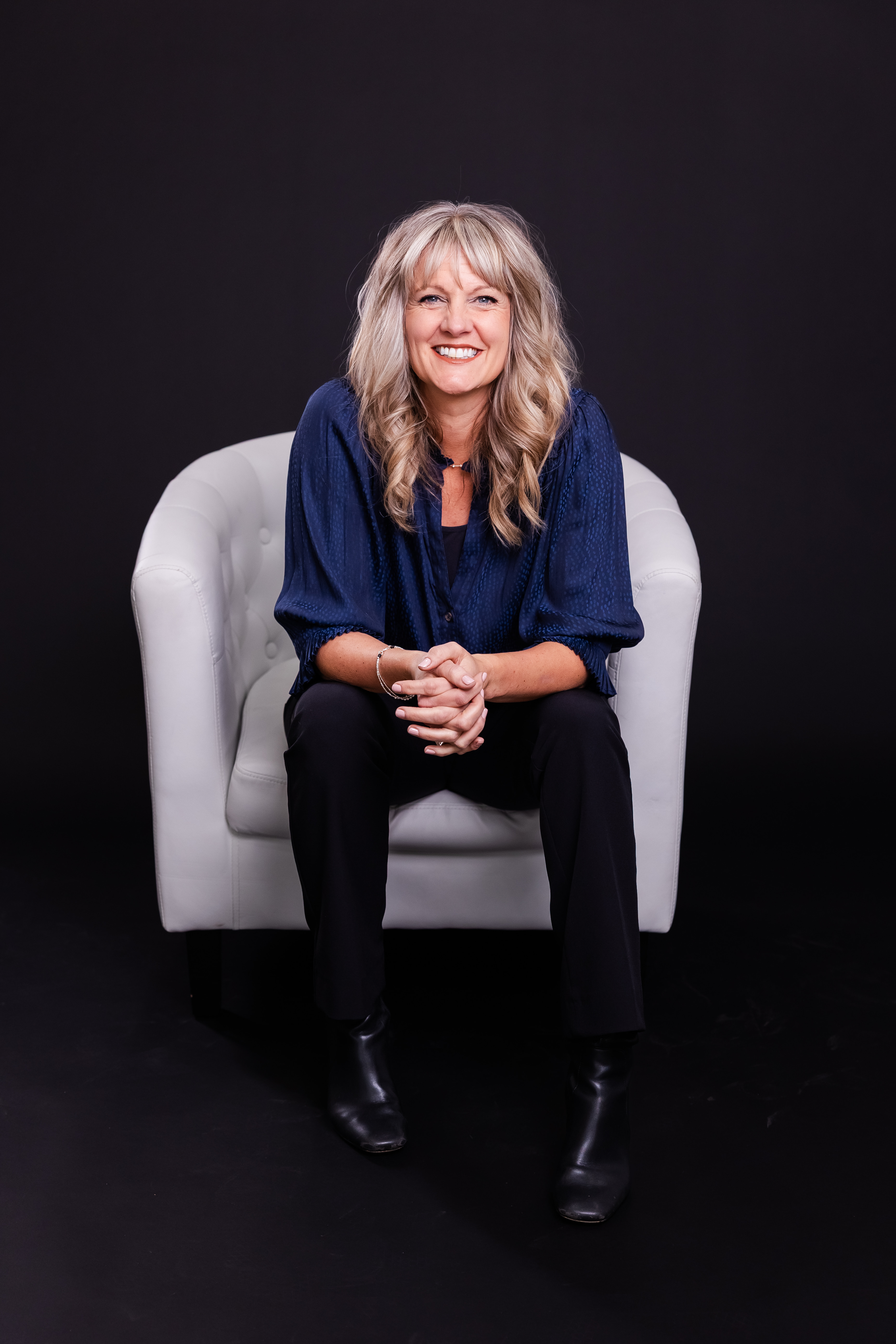
Laura Parker is the CEO and co-founder of The Exodus Road, one of the world’s leading anti-human trafficking organizations. Conducting operations in 20+ countries alongside local law enforcement, The Exodus Road has helped free over 6,300 survivors, provided aftercare to over 2,700 individuals, and delivered prevention education to more than 65,000 officers, citizens, and at-risk youth — including across the United States. She has been featured on CNN and was named Colorado Media Group’s Person of the Year alongside her husband and co-founder, Matt.
But the résumé only tells part of the story.
Laura co-built The Exodus Road while raising three children overseas, walking alongside operatives — including her own husband, who has navigated years of dangerous undercover anti-trafficking work. She has sat across from survivors, led her organization through crisis, and been targeted online by the very criminal networks she fights. She’s also a driving force behind Influenced, working alongside her team to equip families and teens to navigate online exploitation and stay safer in a digital world.
What 15 years on the front lines of one of the world’s hardest problems has taught her about leadership, resilience, and staying human in the middle of it all — that’s what she brings to every conversation.
Laura speaks on healthy leadership culture, sustainable performance, human trafficking awareness, keeping kids safe online, and integrated leadership — the conviction that the same principles that make you a better leader make you a better spouse, parent, and …
