What Is Coercive Control? Understanding the Pattern Behind Domestic Abuse with Tracy Curtis I Ep. 129
Domestic abuse isn't defined by a single incident—it's defined by a pattern. At the center of that pattern is coercive control. Coercive control is the ongoing use of fear, intimidation, manipulation, isolation, and domination to strip away another person's freedom and autonomy. It can exist with physical violence, but it doesn't have to. In many abusive relationships, coercive control is the foundation that allows every other form of abuse to take hold. In this episode of Beyond the Statisti...

 Apple Podcasts
 Spotify
 YouTube
 Amazon Music
 iHeartRadio
 Deezer
 PlayerFM
 Podcast Addict
 Podchaser
 PocketCasts
 Castro
 Castbox
 Goodpods
 Domestic abuse isn't defined by a single incident—it's defined by a pattern. At the center of that pattern is coercive control.
Coercive control is the ongoing use of fear, intimidation, manipulation, isolation, and domination to strip away another person's freedom and autonomy. It can exist with physical violence, but it doesn't have to. In many abusive relationships, coercive control is the foundation that allows every other form of abuse to take hold.
In this episode of Beyond the Statistics, host Ingrid Dutton is joined by Tracy Curtis—survivor, forensic psychology professional, and founder of Empower Ed—to unpack one of the most misunderstood aspects of domestic abuse.
Together, they discuss:
• What coercive control is and why it's at the heart of domestic abuse
• Why abuse is about patterns of behavior, not isolated incidents
• How intimidation and credible threats keep survivors trapped
• Why asking "Why didn't they just leave?" misunderstands abuse
• How trauma bonds form and why separation can feel like withdrawal
• Why documentation is essential when abuse isn't physical
• How survivors are often misunderstood in family court while abusers appear calm and credible
• The lasting effects of coercive control on the brain, body, and nervous system
• Why coercive control can also appear in elder abuse and other caregiving relationships
Whether you're a survivor, supporting someone you love, or work in healthcare, law enforcement, advocacy, social services, or the legal system, this conversation offers the language and understanding needed to recognize abuse that too often goes unseen.
Tracy’s Links:
https://www.beyondthestatisticspodcast.com/guests/tracy-curtis/
Link to Norma Peterson's episode (discussed in today's episode)
This podcast is intended for mature audiences. Some listeners may find the content distressing as episodes may include discussions of violence, human trafficking, and other forms of abuse, including emotional, psychological, sexual, financial, and physical. In many cases, names have been changed to protect those involved. Please note that the statements and opinions expressed by guests do not necessarily reflect my own.
If you are in the United States and need immediate support, contact the National Domestic Violence Hotline by calling 800-799-SAFE (7233) or texting START to 88788. If you're outside the United States, crisis resources are available at BeyondTheStatisticsPodcast.com/GetHelp.
Connect with Beyond the Statistics:
🌐 Website: https://www.BeyondTheStatisticsPodcast.com
📧 Email: BeyondTheStatisticsPodcast@gmail.com
📱 Follow on Facebook, Instagram, LinkedIn, TikTok, YouTube, and X: @BeyondStatsPod
If today's conversation meant something to you, please subscribe, leave a review, and share this episode. Every story shared helps another survivor know they are not alone.
Music: Tim Crowe
00:55 - Welcome And Tracy’s Backstory
04:45 - What Coercive Control Really Means
07:54 - Why Fear Exists Without Violence
13:24 - Trauma Bonds Withdrawal And Breaking Free
19:18 - Body Memory Courtrooms And Mislabeling
26:09 - Proving Patterns Through Better Documentation
29:05 - Coercive Control Beyond Intimate Partners
36:12 - Underreported Abuse And Male Victims
44:36 - Resources Gut Feelings And Closing
SPEAKER_01
Hi, Warriors. Welcome to Beyond the Statistics, formerly one in three. I'm your host, Ingrid. Coercive control is a term that's been gaining more attention lately. But what is coercive control and why is it at the core of abusive relationships? Joining me today is Tracy, coercive control expert and founder of Empower Ed, to help us better understand this critical concept. Here's
Welcome And Tracy’s Backstory
SPEAKER_01
Tracy. Hi Tracy, welcome to Oh my gosh, my new my new title beyond the statistics. I almost said the old one. Thank you so much for joining me. So we're gonna start it, start this episode off this way.
SPEAKER_00
Thank you for having me, Ingrid, regardless of the title.
SPEAKER_01
Right. We'll we'll pick one and we'll go with it. Okay, so we're just gonna have a chat about coercive control. But before we get into that, do you mind just sharing a little bit about yourself so listeners can get to know you some?
SPEAKER_00
Sure. Um, first and foremost, and I always identify I'm a survivor. Um, I think that is what probably has motivated me to get through school when I was an undergraduate, was when I was going through my abusive relationship. And it just kind of kept pushing me forward. I now have my master's in forensic psychology. I'm a late learner in life, but finished that about four years ago. And it really has, I believe that degree itself has really helped me kind of try and understand the mind of the abuser. Um, domestic abuse is just a cause that I'm passionate about because of being a survivor, but I also lost a niece six years ago to domestic homicide. So it's not only my profession, but it's definitely very personal for me as well.
SPEAKER_01
Well, and I think the fact that you've been through it and because of with your niece, that just reinforces that truly everybody does know someone who has been affected by domestic abuse.
SPEAKER_00
Absolutely.
SPEAKER_01
I want to say forensic psychology is something that has always been a huge interest of mine, my sister too. She's a social worker. And uh, one of her dreams was at one point to go into forensic psychology. Who knows? Maybe it's still her dream. We're both in our 40s now, so I don't I don't know if either one of us are going to take a massive change in our careers. But uh, one this is a total side note. We are both James Patterson, the author uh fans, and he has a character, Alex Cross, who is uh he's a detective, but I believe his background is forensic psychology. So it it's just it's something that's so cool. We both love trying to figure out how the brain works and what causes people to do things. I got very stuck on my abuser after I got out of that relationship trying to figure out why he did certain things or did he understand he was doing certain things? And so I think that is just a fascinating profession.
SPEAKER_00
I'm I'm happy I chose it and I was the exact same way. I always wanted to know why. And forensic psychology professors always knew, okay, Tracy, you're gonna do a paper on domestic abuse, go ahead and go for it. They always knew because just with forensic psychology, you could tie it into abuse. So I'm really glad it was kind of that self-learning while learning in college as well. So I'm glad I had the opportunity to go for that degree.
SPEAKER_01
Yeah, uh I'm I'm happy that you you did that. So, okay, we're going to talk mostly about coercive control. And it's a topic that has come up, obviously, it's come up in almost every single episode, because that's sort of the the, I don't know, the center of abuse. But I don't know that I've actually ever had anybody exactly explain what coercive control is. So do you mind just taking us through all of it?
SPEAKER_00
Nope. So I actually just did a training today
What Coercive Control Really Means
SPEAKER_00
for a hospice agency. Um, and basically what it is, is my passion to get this terminology more well known, is because, like you said, it's the core of domestic abuse. Um, when I was doing my research and creating trainings for it, it was to help anybody stop asking that question. Why don't you just leave? We all get that. Why don't you just leave? So it really helps explain that because that coercive control it's any of the forms of abuse because it all has that common thread in there. They're trying to create that fear and intimidation to get that control. So that's really where it's at. And you can you see it through all the tactics. And the thing of it is, and why it's so important that we recognize it, is because right now our systems really just look at incidents. Oh, he hit her, oh, there's a police report, oh, he damaged her property. It's all that visible signs of abuse, and it's not those incidents because what happens on the daily, very little physical violence daily, we can't say that there are relationships that it is a daily thing, but most of them don't have the physical violence because the abuser doesn't want to use that because that's going to tie him to the abuse. Because what if she does report there's bruises on her? He doesn't want that because we have to remember he's the good guy out in society that people see. And when the survivor starts having these trauma responses to the course of control, the abuse you can't see, he can then go, look, she's crazy. I told you she was crazy. So that's why it's so important. It's just, it's very covert, it's insidious, but we have to be able to teach the professionals to really recognize it because that is our foundation of abuse.
SPEAKER_01
And I think, okay, so people who have lived through it understand it, but I have found it's very difficult, even well, especially I suppose now that I'm so far removed from that relationship, sometimes it's even difficult for me to go back and try to figure out why didn't I just leave? What was it that was keeping me there? So have you found a way to be able to explain how how are you afraid of someone who's never left, led uh good gracious. How are you afraid of someone who's never laid a hand on you, who's never necessarily made an outward outward threat of I am going to hurt you or I am going to kill you. But there's something there that that is scary.
SPEAKER_00
I think you know, it's that cycle
Why Fear Exists Without Violence
SPEAKER_00
of abuse that we go through. It's a lot of these uh relationships, they're not always bad. And it's those good times that the survivor dismisses the abuse, makes excuses for it, and thinking, oh, he's just had a bad day. And when you're in that cycle, initially, maybe that coercive control is very covert because you don't understand what you're going through. People don't understand that domestic abuse is primarily psychological in what they do, it's almost like a brainwashing. It's coercive control is about domination, they want that domination over that victim's life. So it might start out very covert and not understanding it, but as it goes through, it can lead to physical violence if there hasn't already been physical violence. But you start to believe that there is a credible threat. He's given those type of threats or that coercion to make you believe that there is a credible threat there. And that is where she doesn't leave. You know, he may say, I'm gonna take the kids, you'll never see the kids again. I'm gonna report you to CPS for some bogus charges. It can be stuff like that. It doesn't have to be, you know, bodily harm that he's threatening, which some of them will make those threats, but a lot of the time it's those types of threats. And, you know, as a mom myself, the last thing you want to do is lose your children. So you start to believe him that it's gonna happen because he's kind of give you given you that reason with that cycle of abuse in the good times and the bad times. We also have what some of the victims can have trauma bonds. And that was kind of another training that I went off to to try and explain why don't we just leave? And not every victim gets a trauma bond. There's kind of some pre-existing uh factors that can take place as far as if you've been in an abusive relationship before, you have a traumatic childhood, that can kind of set you up. And that trauma bond is just that push and that pull of positive and negative that starts to create that chemical attachment in your brain to your abuser. Same exact brain chemistry that substance abusers have for substances.
SPEAKER_01
That makes sense because I had a guest who came on and said, I've never done drugs in my life, but every time I tried to leave my abuser, I felt like I was going through some sort of physical withdrawal.
SPEAKER_00
Absolutely.
SPEAKER_01
Absolutely. And it's wild to think because you think can think drugs do change what's happening to you physiologically and in your hormones and all these other things in your body are adjusting to this drug, and that's why you're getting this high. But with domestic abuse, when there is no physical, when it is just coercive control, you're not having any direct changes in your body. You are having stress hormone changes because psychological stress will do that. But it's it's really wild for me to understand that somebody actually can go through that same feeling of physical withdrawal. She would she would get physically sick every time she tried.
SPEAKER_00
Absolutely. You're just waiting for that email, you're waiting for that call, you're waiting for that text, and you're just sitting there. And I went through it and I'm like, why am I like this? This is when I was still an undergrad. And a lot of the times when I talk about trauma bond, people look at me out in my audience and like I have nine heads. And I'm like, this is scientific proof. This is what can happen. It's not a, you know, in a definite that it will. Again, some of those pre-existing conditions that someone may have kind of sets them up to have that push and pull and that brain chemistry react that way.
SPEAKER_01
Do you have any suggestions for somebody who does have that really tight trauma bond? How do they go about breaking that? And I mean, we said, like I said, that woman said every time she left that was multiple times that she left before she finally left. And that seems to be very typical. I know they say on average, seven. I'm not sure if that's still the average, but that's how often it you typically takes for somebody to stay gone when they leave. Um, it are there any tricks to detox yourself, I guess.
SPEAKER_00
No contact. Because, and that's not always if you have children involved, that's not always an easy thing to do. I know some courts have set in place these apps that the talk between the parents are monitored, and that can help because the reason why we say no contact is because it doesn't give them a chance to get in there and give that positive reinforcement
Trauma Bonds Withdrawal And Breaking Free
SPEAKER_00
again to continue that attachment, or if she's broken it, she could start getting sucked back into it again. So honestly, no contact. Another thing that I tell survivors is abusers want that emotional reaction from the victim because then they know they're getting to you. Use the gray rock method. And if you are like I said, let's face it, a gray plane rock is not pretty, it's just very flat affect. Don't give them that emotional reaction. And they're like, it's so hard, it is hard, but it you have it's something that you're not born with to do. Um, so it just takes practice with it. So if you have to be in contact with them, I always recommend practice that gray rock, don't show any affect to them, don't show any emotion, because that's when they start to get amped up. So if you can just kind of deflect from that, they are not getting that emotion what they want. Hopefully they'll back off.
SPEAKER_01
Right. Because they're they're like parasites, they can feed off of your love and your admiration, but then they can also feed off of your fear, and they don't care what it is. I have I have a friend who is actually in the process of exiting her relationship. And I say in the process, she hasn't physically left yet. I don't know how long this is going to take before she officially breaks herself free. This has been good news, it's been at least a year that I've recognized it was a bad relationship. And I, it's strange being on the other side and being the supportive person and not saying you need to just leave, just leave. Why aren't you leaving? Because I I've lived through it all. Now I know what can happen. But she he had not been physical at all. She believed he would never be physical. And my response to that is they're never physical until they, or I can't say never. Some of them just are physical because that's something they they like. But sometimes they're not physical because they don't have to be physical. And it's once that control, they start to recognize that control is whatever they were doing before isn't working anymore, they need to do something else to step it up, to pull you back in, to keep you subdued.
unknown
Right.
SPEAKER_00
I always use the phrase an abuser will only use as much abuse as it takes to get a victim into compliance. If she's not compliant and she starts pushing back, that's can sometimes be when the physical starts, because then coercive control works so well because we have the memory and the anticipation that a credible threat is established. And so he's not going to need to use that physical violence if she has memory, the anticipation of what could happen. I remember the example that I give for memory anticipation is my ex-fiance, who is my abuser, he had a distinct sound to his car. And I learned at a certain time to take note of that in the day, that conditioning, and I started anticipating what's his mood gonna be like when he comes in. If he came in with a smile, I kind of deflated a little bit. Okay, we're okay, but then you never know. They want to keep you off balance like that. So um he was never physical with me until the end, it almost got physical. What we have to let people know is coercive control can be just as deadly, if not more so. One, I think the statistic is one in five homicides, domestic homicides, have the first act of physical violence was that homicide.
SPEAKER_01
Oh my goodness. I had not heard that one before.
SPEAKER_00
Yeah. So people think, oh, it's only words, because people don't, you know, that sticks and stones breaking that. We get conditioned to believe as kids, we need to forget that because it can be just as dangerous. And you know, that that meme on Facebook, broken bones, heal, it takes longer for a mind to heal. That's coercive control, that's where you have those long-term impacts after it's all that psychological. So, I mean, in the 70s, we had the burning bed where you know that victim was severely beaten. All we saw was battered woman syndrome. So that's what we kind of made synonymous with domestic violence. It's 2026. We have to stop looking through that violence lens and start looking through that lens of coercive control, because that's truly what's going on on the daily.
SPEAKER_01
Yeah, and I think that victims, if you can listen to your gut, if you can listen to your body, you know what's about to happen. And the body, the body knows that same friend of mine whose whose partner had not touched her, had not gotten physical, never even like postured himself to as a threat to her. She was in her vehicle. They had made plans to do something. And so she just
Body Memory Courtrooms And Mislabeling
SPEAKER_01
texted him and said, Hey, you're gone. Did you already head down? And he called and just started screaming at her. And she called me immediately and she said, I don't know what's going on. My whole body is shaking. I can't stop shaking. I I feel like I'm having almost like a panic attack. And I said, Your body, your body keeps memory of all of those verbal attacks. And even though it's never been physical, it's going to have that reaction. Because again, all those stress hormones, everything's being affected.
SPEAKER_00
Right. Exactly. And even years later, that can happen. You can be in a different environment. And if it your body reacts to something that is a threat that was like in the past, you can still have all those physical symptoms again. And this is just really where you know, from the abuser stance, we're all crazy, right? Um crazy. We don't need to follow that through in society and professionals. We we don't need to pathologize trauma, we need to help walk them through it to heal. There's no amount of medication that's going to take that away from her. It helps to be able to take the edge off, maybe a little bit to where you can start to maybe work through the trauma. But we have to meet people where we're at, and we don't need to pathologize these victims because again, if they're still going through it, being on these medications can really harm them in family court because they're gonna pull that and see, like, see, I told you she was crazy. Look at all these medications she's on. So that's things that psychiatrists and doctors they really need to understand. There's so many professions that we really need to work with to get us all on the same page of what domestic abuse is.
SPEAKER_01
Yeah. And even if there isn't a long list of medications that they're on, just being in the same courtroom as somebody who has had control over you for so long is terrifying. And it's pretty common where the abuser can sit there calm and collected, and the victim is jittery, scatterbrained, flighty, everything that looks like they're unstable. And then they get labeled as the unstable person in that in that situation.
SPEAKER_00
Even when you're going up, if you're getting a restraining order, part of this coercive control is you know the look. He can give you the look once and you're gonna recant. That's coercive control. Mine was if I was talking too much, we were out, it was always the hand at the lower part of the back. That's when I knew to be quiet and we were going to leave. That's coercive control. That's that conditioning, that's that credible threat. That you know what, if you don't get back. Into compliant, there could be bigger consequences to it.
SPEAKER_01
Goodness. That reminds me of if we went out for drinks or a date, even just a date, we weren't with other people and had a few drinks. The next day there would be something, and I wouldn't be drunk. It's not like I was blackout drunk, but there would be something of, do you know you said this last night? Do you know how that's not okay? And I mean, that's gaslighting too. It would sometimes it was something that I never even actually said. And I would sit there and I would think, Did I have that much to drink that I can't even remember what I said? But goodness, even again, being so far removed from that relationship now, there are times if I go out for a couple drinks with some friends, the next day I wake up in a panic of like, okay, what did I do last night? Did I do anything? Did I say anything? Do I did I offend anybody? Is anyone not talking to me? It's so it's so horrible how these things just can stay. Do stay, can stay. I've done a lot of therapy, a lot of therapy. And I'm I'm a lot better than I used to be, but there are still some things that I just can't shake.
SPEAKER_00
If you look at the power and control wheel, you know, we're so, oh, this is emotional abuse, this is psychological abuse. If you look at that wheel at the center is power and control, if you look at the wheel, it's all coercive control because those tactics, those forms of abuse are put in there to psychologically create this fear and intimidation in the victim. Um, the you know, onslaught of maybe the uh verbal and the humiliating comments, it's the humiliation to beat you down because if you're beat down, you're gonna be easier to control, right? So you look at that power and control wheel, it's all coercive control. Again, my biggest thing too is terminology. The countries that have already criminalized coercive control, United States is is far behind. You'll see a lot of things with yeah, you'll see they say domestic abuse instead of domestic violence. Because when you say domestic violence, what do you automatically go to?
SPEAKER_01
Physical violence.
SPEAKER_00
So domestic abuse, I think, just encapsulates it nicely and wraps it up, and that kind of involves everything. You'll start to see now where people bullet point the types of abuse and coercive controls in there. And I'm like, it's all coercive control.
SPEAKER_01
Right. Yeah, you uh you don't have to separately name it because it's just part of it. I think it's becoming one of the hot things to say, uh, which it's it's fine. There needs to be more understanding and awareness of coercive control, but I think that's why it ends up getting separated, that it's its own entity. Um, so just to talk about these other countries, because I've seen that too, where coercive control can be something that's criminalized. How with you knowing about all the things you know about coercive control, how easy or how difficult do you think it would be to get a conviction against somebody for coercive control?
SPEAKER_00
So here's the sad part about it. When I'm reading and looking at other cases like in Australia, they have coercive control criminalized. It's still the same. The lack of conviction of these abusers,
Proving Patterns Through Better Documentation
SPEAKER_00
you know, whether it's physical and sexual, like we criminalize here in the United States, we're not doing a real good job at convicting them at that. So let's just bring the coercive control in. One of the tools I'm gonna be uh me and Norma Peterson are gonna be co-presenting at the NCVC conference in Chicago in September. I'm gonna be talking about coercive control, and she's gonna be talking about document the abuse. It is such an awesome tool because that's when I start talking about coercive control and trainings. It's like, how do we prove this? Me as a survivor, even to this day, I have a problem journaling. Because if my journal was found and I would have had stuff written down, that would have been it for me. This is where I like document the abuse because it's so secure. So, with that being said, you know, just like her sister-in-law, she went missing. If they unfortunately murder the victim, this is stuff that can hopefully stand up in court to show that pattern of abuse because that's what we have to be able to establish. And when I was talking today with these nurses, I said, when you start to recognize coercive control, make sure you document the statements down. I said, we don't criminalize it here, but it can help to establish that pattern of abuse. Because God forbid it does escalate and the victim ends up by being a domestic homicide, they can pull documentation into court. I said, and as a professional, we should be documenting this. This is our license. Because if someone turns around and says, Why didn't you document this? You're like, here I did. So if you don't document it, it didn't happen. So document, document, document.
SPEAKER_01
So I will actually I want to talk about that for a moment. You said you were with uh a hospice company.
SPEAKER_00
I was, yes, I'm doing a couple weeks of training with a hospice agency.
SPEAKER_01
Okay, so I think that a lot of times now that we're starting to understand the terminology of coercive control, people tie it to intimate partner violence. And that's where coercive control lives.
unknown
Yes.
SPEAKER_01
So working with a hospice agency, are there other places that coercive control can exist that, you know, if you're not necessarily in an intimate partner relationship, you can actually be thinking, hold on a second, this is coercive control.
SPEAKER_00
And where domestic violence is defined state by state, everybody goes right to intimate partner violence. Most states have it documented
Coercive Control Beyond Intimate Partners
SPEAKER_00
that it can be an intimate partner, a spouse, a boyfriend, girlfriend, or it can be an ex, or it can be a housemate that you've had, somebody that you've lived with, it can be your children, it can be a family member, household member. That can all be considered domestic abuse. Um, so that's where I try and remind them this is not just only between intimate partners, this coercive control, because a lot with um seniors, when we're looking at that abuse in later life, that they're a vulnerable population. And if it's their child that is financial abuse, um obviously they can make those threats, and that parent's going to be, oh my gosh, they are going to hurt me. So it can be right there too. It can be applied to all the populations, and we really need to make sure that we look at it outside of just intimate partner violence.
SPEAKER_01
And so when you mention documenting, either as it's happening to you or as a professional documenting for somebody else, or you're a loved one and you're witnessing your loved one go through this, what are things that you need to be paying attention to? What are some of the things that you should be documenting?
SPEAKER_00
Some of the things, if they are being isolated, you know, say you are a family member and all of a sudden you get these repeated cancellations from the person that you don't know be is being victimized, but that may be okay, what's going on? That should kind of be a red flag. If they're saying one of the case studies I give today, and it was in a like a palliative care setting that went to a hospice setting because the case study individual had metastatic cancer. Um, and what I was trying to get them to see is I would put just little blurbs on there. And the one said when she entered into palliative care, she was more concerned about her spouse than she was about her cancer. When he she had um uh you know, going to go see a family member, it was always you need to cancel that. I said, these are the kind of things that are very covert that you need to look for because if you have them documented, they're not incidents, there's patterns there. That's that trying to can establish that control. Another big one was um she was complaining of back pain. The spouse dismissed it. And when she went into the doctor about the back pain, that's when the cancer was diagnosed. Oh, so that can be a lack of care, you know, preventing you from get getting health care. He made threats to her that if he was not involved with phone calls with the doctors, that he was going to take away her health insurance.
SPEAKER_01
Oh my gosh.
SPEAKER_00
So these are the kind of things that, and one of the funny things that we talked about too in this case is when she was going to the oncologist, he was with her for every visit. When she came over to palliative care and she was gonna see these people more routinely, he didn't make the visits. But then if there was a call made without him, that's when he kind of would break into. He went as far as even, you know, um, accusing this poor victim of being unfaithful, of infidelity. So these are the things, and I think they she had said one time, I think my partner's abusive. And you know, again, you can't make somebody leave. And when you're in that vulnerable of a situation, you can safety plan with them, you can give them resources, you can move them into an inpatient hospice setting. So there's things in each population that we can do as soon as I believe a victim's stories are just a core, the answer to our coercive control, because things that they don't say that they're trying to tell us. And when I say that, I don't know if you ever listened to that 911 call that Nicole Brown Simpson made about a year before she died. There were so many telltale symptoms in there. She was so scared. He's gonna break in my back door. Oh, you're gonna hear him here in a minute. It is the most saddest, you know, thing to listen to. But if we would have known then about coercive control, could her life have been saved?
SPEAKER_01
Right. And actually, if you think about it, the the victims who are in it right now, they're not necessarily even going to recognize that they are being controlled. It's it's coercive, it's insidious, like you mentioned. So a lot of times it does take somebody from the outside recognizing the signs to be able to start giving that person the support and the guidance that they need. It's not going to help if you shame them into your why have you not left yet? They're already living a life where they're being shamed and put down.
SPEAKER_00
Absolutely. And that's that is the biggest thing. Just be there. What can I do to help you? Offer them the resources because you never know when is going to be that time that they say, okay, I can't do this anymore. Here's my resources. I have a support system. It's it's heartbreaking when you do have those victims that say, you know, none of my family will talk to me. They were mad because I wouldn't leave. And I'm like, it only creates another barrier that she has to try and break.
SPEAKER_01
Yeah, you're absolutely right. Uh, are there other parts of coercive control? This I I feel like we could talk about examples and everything all day long. But are there key points that you wanted to hit that we haven't talked about?
SPEAKER_00
I think one of the points that came up today, and it's very important, is we and primarily what they say, one in three women, one in four men are impacted by domestic violence. If we look at statistics, what have our what is our statistics based on physical violence? Because we pull that through what the police reports, what's been reported. Someone asked me today,
Underreported Abuse And Male Victims
SPEAKER_00
but if men can be victims, can they also be you know victims of coercive control? I said, absolutely. And it's where when you're looking at the statistics, it's a pretty high percentage of men versus women, where men are at a higher range for verbal abuse from their abuser than what women are from men. Coercive control. I said, a woman, you know, she's probably going to try and be controlling. I said it it goes both ways. When I started doing research, one of the things that popped up is that women were the ones impacted by it more. And I'm like, you know what? I'm not sure if I agree with that. Because if it's the non-physical, I mean, because obviously men are most of the time more physically overpowering than the woman is. So I'm just not sure if I'm really on board with that.
SPEAKER_01
Oh, I agree with you. This I actually just had an episode uh about male victims of sexual assault and domestic violence and abuse. And uh, the woman who I had on, she's from the United Kingdom and she worked in law enforcement for many years. So she's seen all of it. She wrote a book called Men Ignored, and it was a great conversation. The statistics she was saying, this is what's reported, though. I mean, I you look at women are probably more likely to report abuse. I didn't report, I never got police involved with mine. So even women aren't reporting a hundred percent of the time. And then you think of the stigma of men not wanting to admit what happened to them or not even maybe not even recognizing what happened to them because society also downplays what happens to men. And uh, so I had just one clip on social media, I put it on all my social media, but Instagram, my Instagram account is what got the most traction with this one specific clip about men being victims. And it's incredible. I it just it makes my heart sad, but it also makes me so proud of these men. Men are just coming out saying, This happened to me, this happened to me. And it's just one after another. I I there were a couple of days I'm like, I can't even keep up with all of these comments because I want to, I want to validate them and I want to acknowledge what they're saying. And I'm trying to go through and reply to every single one of them, but there were so many. So I I'm not sure that I agree either, because you know, physical is one thing. Um, the coercive control, the quiet abuse, that's something completely, I believe, is definitely underreported.
SPEAKER_00
With you know, the agency that I worked for in Illinois, I was really proud of the fact because we were only a one of a handful of shelters that would also accept male victims. And when the hotline, because I was out there, you know, I did community education, so I was out there educating. Evidently, something was resonating because they contacted me and they're like, Tracy, we just had an influx of male victims. And not that I wanted to celebrate, but I was just like, Yes, something's clicking. We put it out there again. It's just kind of you never know what's gonna stick with people, you never know what's gonna resonate, and so that had some type of effect because they were coming out of the communities and saying, hey, you know what, I don't deserve this, I'm gonna go to the shelter. And again, it's there's some shelters that won't take male children over the age of 13. How do you leave your child? You can't do that. So there's just so many things that we need to move forward in domestic abuse. It's you know, I think we're kind of at a stalemate here. Are we gonna think differently of it if we can get people to understand coercive control? I think so. One of the biggest things when I would be out doing presentations in the community, I never knew who was in my audience. And when I start talking about coercive control, I have never seen brighter light bulb moments in my life of people going, oh my gosh. So now we're able to name what they're going through. So that's really important too. And I think just with that type of response, that's what's kept me going with it. Because when I was doing the research, I'm like, this is my relationship to a T. This is crazy. Why was I never told this? So I'm really happy. I see more on LinkedIn, I see more of the agencies starting to bring it out. And I'm like, yes, this is where we need to be.
SPEAKER_01
Yes. And now what we need is for our attorneys and our judges to really understand what coercive control is, because like you said, our our friends across the pond are making coercive control, something that that can be criminalized, but you can have a law that says it's not okay. But if you don't have the right people in the right positions who are making those decisions on is this coercive control, everybody needs to really understand what that is. And I think that's where part of the drawback is going to be.
SPEAKER_00
When I started a few years ago in Illinois, again, I live in Indiana when I was in Illinois. There was actually a big push by the Illinois Bar Association to put the words coercive control in the definition. And that's a huge start to put those words in that definition of domestic abuse, because then that's kind of where those laws start to stem from. So I've started seeing they're maybe using coercion. I'm like, no, no, use coercive control. Um, so that's a positive. And that was like four years ago. They knocked it down in the house and said, no, it's too much like stalking, and I'm like, oh my goodness. Um, so we need, yeah, we even need to go to the government bodies that make the laws and say and educate them. But those are some of the hardest systems to break into. We're gonna start small and hopefully go up from there. We'll use those national organizations that lobby and get that pushed.
SPEAKER_01
Yeah, and and start where people are more likely to hear the victims, the family members, those who are actually living it. They're going to they're going to start grasping what coercive control is and recognizing it. And then, yeah, then go after the big ones because you also have a lot of ego when you get up to the that level.
SPEAKER_00
Absolutely. That's that's the that's the hard level right there. I mean, it's it's hard on the state. You're dealing with um systems that there are such big power imbalances in that you know, here you want to come make this change. And if they don't understand it though, how are we gonna reach that?
SPEAKER_01
Right. Okay. So anything else? Did we miss anything else?
SPEAKER_00
I don't believe so. I think we hit on everything, the statistics, the male and female victims. So Okay.
SPEAKER_01
Okay, so if anybody wanted to reach out to you or learn more about what you're doing, how would they do that?
SPEAKER_00
Um, I have my website because I do have my company called Empowered from Awareness to Accountability. That's my platform. Is okay, we have awareness. What do we do next? Um, as simple as not saying victim victim shaming statements. You know that awareness
Resources Gut Feelings And Closing
SPEAKER_00
has brought that, but that's showing accountability of society not to do that. But they can reach me on my website. It's um empowereddv.com.
SPEAKER_01
Okay, and is that designed for organizations? Is that for individuals? Is it for both?
SPEAKER_00
So I will do anybody. It's more, it's set out more for professionals, um, those that are in contact with DV survivors, but I will do, let's face it, there's so many professions that come in contact. We need to do them all. But I would never refuse anything that is in the community. Um, I don't charge for because I think it's just that important. Anything if it's a victim reaching out to me, I'm more than happy to try and help advocate for them or just talk with them. Um, so they can usually reach me on there. It's got my email and it'll come to my email. I can help them that way.
SPEAKER_01
Perfect. All right. So then in closing, do you have any final words of wisdom or encouragement that you would like to leave with listeners?
SPEAKER_00
I think you kind of hit on it. If you have a gut feeling, that gut is telling you something so important. And I know if you're in a situation and you're being gaslighted, that is kind of your brain giving you the warning signal. Please listen to it. It's hard to leave. Leave when you can, leave when it's safe, and there's people out there that will support you. Don't listen to the abuser. There's people that care and people that support.
SPEAKER_01
Well, thank you so much, Tracy. Those are great words. And this was a fantastic conversation, and I'm very appreciative of your time.
SPEAKER_00
Sure. Thank you for having me.
SPEAKER_01
Thank you again, Tracy, for joining me today. And thank you, Warriors, for listening. You can find the links Tracy was referring to as well as her Beyond the Statistics profile in the show notes. I will be back next week with another episode for you. Until then, stay strong. And wherever you are in your journey, always remember you are not alone. To learn more, explore episode resources, browse the collections, or register as a guest, visit Beyondthatistics Podcast.com. If today's episode meant something to you, please share it with someone who may need it. Don't forget to subscribe, leave a review, and follow Beyond the Statistics on social media. Beyond the Statistics is a.5 Panoy production. Music written and performed by Tim Crow.
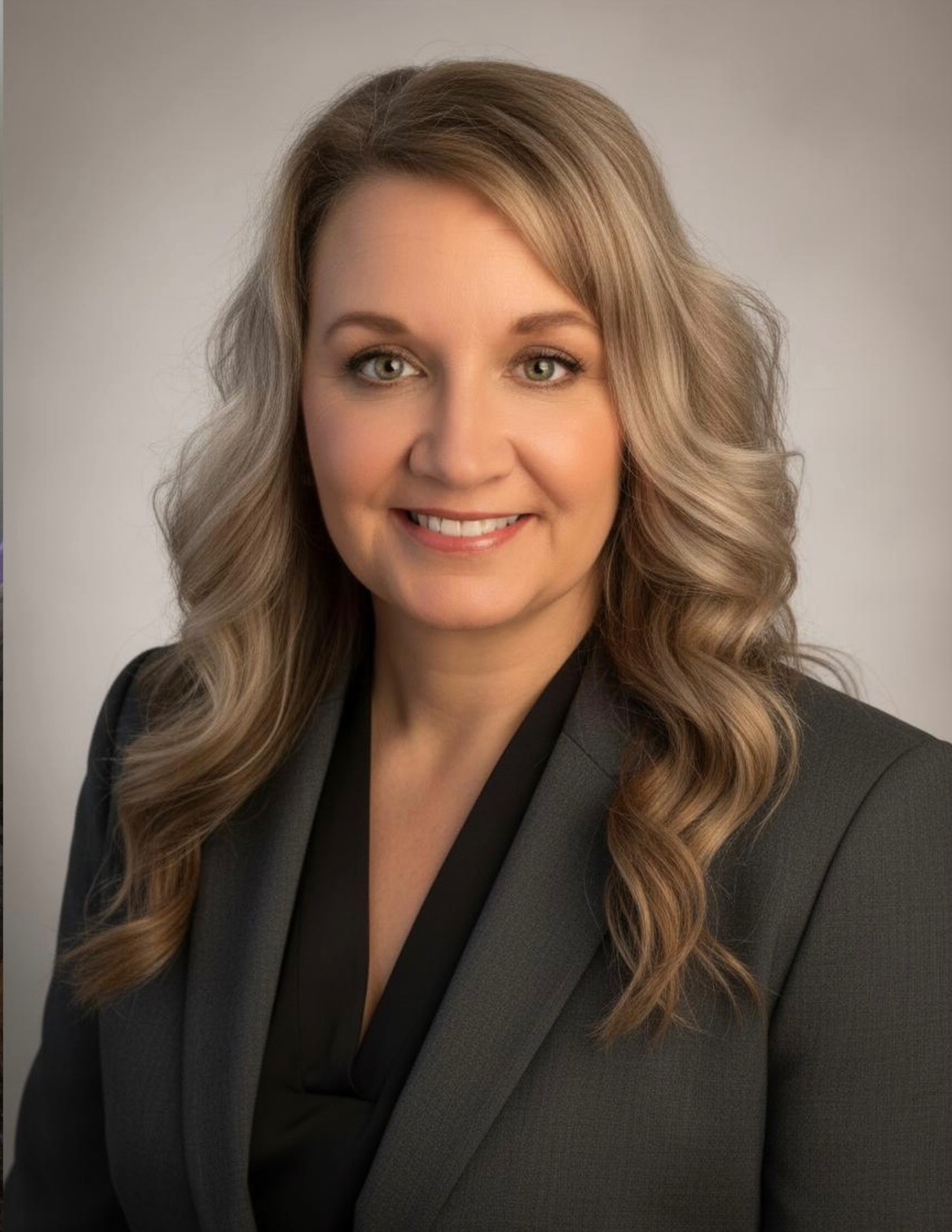
Founder/Domestic Abuse Educator
Tracy Curtis is the founder of EmpowerED and a passionate advocate for domestic abuse
education, coercive control awareness, and systems change. She holds a Master’s degree in
Forensic Psychology and is a Certified Domestic Violence Professional (CDVP). Through her
work, Tracy educates professionals, organizations, and communities on the hidden dynamics of
abuse that often go unseen, particularly within healthcare and community systems. She is
committed to turning awareness into accountability and action by creating conversations that
challenge misconceptions, encourage collaboration, and promote safer, more informed
responses to survivors of abuse.
