Healing After Abuse: When Your Body Still Feels Unsafe with Dr. Lisha Antiqua I Ep. 137


 Apple Podcasts
 Spotify
 YouTube
 Amazon Music
 iHeartRadio
 Deezer
 PlayerFM
 Podcast Addict
 Podchaser
 PocketCasts
 Castro
 Castbox
 Goodpods
 You can leave an abusive relationship and still feel like your body is bracing for the next threat. Panic, numbness, hypervigilance, physical symptoms, and a nervous system that won’t seem to settle can leave survivors wondering why they don’t feel “better” yet.
In this episode of Beyond the Statistics, Ingrid sits down with Dr. Lisha Antiqua, a survivor who works in trauma recovery and somatic healing to talk about healing after abuse, somatic trauma, and nervous system regulation. They explore why trauma can remain in the body long after the immediate danger has passed—and why recovery involves more than simply understanding what happened.
Dr. Lisha explains the role of fight, flight, and freeze responses in trauma recovery and shares her Amazing You Method, which begins with establishing safety before rebuilding identity, self-trust, and boundaries. Ingrid and Dr. Lisha also discuss approaches including talk therapy, EMDR, EFT tapping, hypnosis, and timeline work—and why no single technique creates a perfectly linear path to healing.
They also explore:
• What somatic trauma can look and feel like
• Why survivors may remain hypervigilant after leaving abuse
• How chronic stress can affect the mind and body
• Where to begin when early recovery feels overwhelming
• Rebuilding identity after an abusive relationship
• Learning to trust yourself and your boundaries again
• Survivor’s guilt and the question, “Why did I survive?”
• Why healing from trauma is rarely a straight line
If you’re rebuilding your life after domestic violence, experiencing PTSD or CPTSD symptoms, or trying to understand why your body still reacts as though danger is present, this conversation offers a different way to understand recovery.
Dr. Lisha's links:
https://www.beyondthestatisticspodcast.com/guests/dr-lisha-antiqua/
https://yourownuniversity.com/
https://www.instagram.com/yourownuniversity
https://www.facebook.com/DrLishaAntiqua/
https://www.linkedin.com/in/drlishaantiqua/
This podcast is intended for mature audiences. Some listeners may find the content distressing as episodes may include discussions of violence, human trafficking, and other forms of abuse, including emotional, psychological, sexual, financial, and physical. In many cases, names have been changed to protect those involved. Please note that the statements and opinions expressed by guests do not necessarily reflect my own.
If you are in the United States and need immediate support, contact the National Domestic Violence Hotline by calling 800-799-SAFE (7233) or texting START to 88788. If you're outside the United States, crisis resources are available at BeyondTheStatisticsPodcast.com/GetHelp.
Connect with Beyond the Statistics:
🌐 Website: https://www.BeyondTheStatisticsPodcast.com
📧 Email: BeyondTheStatisticsPodcast@gmail.com
📱 Follow on Facebook, Instagram, LinkedIn, TikTok, YouTube, and X: @BeyondStatsPod
If today's conversation meant something to you, please subscribe, leave a review, and share this episode. Every story shared helps another survivor know they are not alone.
Music: Tim Crowe
00:00 - Welcome And The Healing Question
02:37 - What Somatic Healing Means
06:17 - When Trauma Shows Up In Health
09:47 - The Amazing You Identity Framework
14:47 - Choosing Yourself After Abuse
20:37 - Why Healing Is Not Linear
27:07 - Reprogramming Without Re-Traumatizing
31:37 - Working With Choking And Panic Responses
36:47 - Where To Start After Leaving
42:07 - Survivor’s Guilt And Finding Your Why
45:12 - Catching The Cracks Before Burnout
47:07 - Power And Control Wheel Plus Resources
49:27 - Final Encouragement And Closing
Welcome And The Healing Question
SPEAKER_02
Hi Warriors, welcome to Beyond the Statistics. I'm your host, Ingrid. Do you need healing after abuse? That's one question many survivors find themselves asking. Therapy was a huge part in my healing, but healing can and does look different for everyone. Joining me today is Dr. Lisha, a survivor of childhood sexual abuse, to talk about her own healing journey and the methodology she developed to help others. My hope is today you will listen with an open mind, take what's helpful. And remember, there is no one size fits all to healing. Hi, Dr. Alicia. Thank you so much for joining me today and welcome to the show.
SPEAKER_01
Hi, Ingrid. Hello, everybody. Let's talk about things beyond statistics, like uh what healing means, maybe, and like uh how to really live great life and that you are not a statistic. Right.
SPEAKER_02
I mean, that's the whole the whole purpose of this podcast, right? So, but before we get into all that, can you just share a little bit about yourself?
SPEAKER_01
Yeah. So my name is Dr. Lisha Antica, and you can find me there on any socials, um, just D-R-L-I-S-H-A-A-N-T-I-Q-U-A. And I have been an advocate for survivors of childhood sexual abuse since I was a survivor of childhood sexual abuse and um physical, mental, emotional abuse as well. Since I was in my 20s, and I really learned about somatic healing, went into somatic healing, nutritional healing, mind and nutritional work. And then that ended up being more advocacy, and that turned into psychology and doctorate. And now I really help people reclaim their identity beyond that abuse. And I trained coaches and yoga teachers and professionals and methodologies that I have been blessed to be able to create and lead thousands of people through, like the Amazing You method and Reclaim Intimacy.
What Somatic Healing Means
SPEAKER_01
Okay, that all of that, all of that in one little nutshell.
SPEAKER_02
Great. Yeah. Somatic healing sound is a very obvious thing to some, but to others, they may not really understand what that means. Do you mind explaining that quick?
SPEAKER_01
Yeah, so we have issues in our tissues. Those issues um get embedded in our trauma gets embedded in our cells, in your physical body, and we get autoimmune diseases. And so somatic healing is working with the actual tissue of the body, movement in the body, releasing the fascia, which is actually your emotional body. And it helps to reset the nervous system a bit, but it just releases that tension that we tend to hold on to or get locked in when we're stuck in fight, flight, or freeze because of trauma.
SPEAKER_02
Yeah. Yeah. I know I know that way too, way too well. So lots of experience and then the methodologies. So is the amazing you part of that, or is that something separate?
SPEAKER_01
Well, it led into amazing you. So I started out with yoga and I was teaching yoga, practicing yoga. I had adrenal failure at 24, and it really boiled back to an experience I had when I was 11 that was extraordinarily um traumatic rather than just everyday life in the house with CPTSD as, you know, uh baseline. And from that, my body did get locked down in survival mode. So I had cancer when I was 21 that really told me your body keeps the score before the book was popular. But if you haven't read it, grab their book. And then at 24, I had adrenal failure, and I went to dive deeper into yoga as my healing methodology to just help my organs work, help my body reset. And I didn't know it at the time. Now we know it works with the nervous system and resetting the vagus nerve and the, you know, all of the things that go along with just getting your body to function again after you've gone through trauma and getting to know your own body. So it did begin as that methodology. I trained people in it. Um, but that's really divine, divinely you. And that particular piece is part of the amazing you method to answer your question. Um, but the amazing you method is about creating safety and security within oneself, within the aspects of identity. So over the course of a lifetime and healing and fixing and you know, getting trained and everything and just trying to figure it out for myself, I figured that a lot of things that work for me didn't across the board work for my clients. So I got to go back in and learn a whole bunch of things that would work for them because we're not all the same. You got to find out what works for you. And if we all could be thin and lean and healthy and perfect on a vegan diet, then we all would just be there, right? But that's not how it works for everybody. So that said, I started learning a whole bunch of different methodologies to help my clients heal, and it just perpetuated into different programs. And when I really stepped back and looked at it, I realized that we only had seven areas of our life that when in connection, when we're really stepping back and looking at it, that's identity. And so the first is
When Trauma Shows Up In Health
SPEAKER_01
to understand that that seventh thing is actually you, it's the spark of God within you. It's what we call the soul, the consciousness, the awareness. Um, but that part in our society, especially, has been kind of demonized because we celebrate so much the other parts. So the first part is we're physical. We all have a physical body. So yours is different than mine, Ingrid. Mine's different than yours. We need different things. It's up to you to figure out what yours is. So the Amazing You method helps you figure out yours. And there's six parts to your body that you might know not know of. So I we talk about all those layers and I help you identify that. The second is you have a brain, and the brain thinks, and the brain is your nervous system, and the brain is your heart and your gut, it's not just in your head between your ears. And so we talk about that and we all do with that, and that's part of amazing you and how you think and what you went through is completely unique to you. Then the next is your emotional body, and a lot of people think that the brain and the body are the emotional body, but actually, your emotional body is your connective tissue, it's your fascia. And that's why the hair stands up on you and everything. And the emotional body is actually what holds a lot of the trauma and the drama with the memories, and why we can have flashbacks and flash forwards and and have the autoimmune disease. So when you learn and release and begin to move the frequency that is energy, that is your emotions, and know them individually to you, like freedom opens up and a lot of things heal physically and mentally, as well as you can express your emotions and ask for what you want and manifest easier. The next is we all have an etheric field, our own Wi-Fi. So the Amazing You method looks at your etheric field, your Wi-Fi, what things you're repeating, and we help reset your system or manifest what you want to manifest. And then we have levels of expression. So the amazing you identity is who are you in the outside world. So for many survivors, as you know, we are whoever anybody wants us to be. So we can probably go into that a little bit here, right? So in the amazing you method, we look at who do you want to be, knowing that your body, mind, emotions, and the theater field are now safe with you. Because normally we're trying to get them safe with everybody else, and that's not gonna happen, but we can get them safe with us, and that reprogramming has been life-changing, life-saving for all of the students that have gone through it since 2010 when it came out. And then living your purpose. So, this is money, abundance, value, worth, all those good things are another part of the Amazing You method. Um, so I did that for the last almost 20 years now and walk people through it, and it's coming out in book form called Into Me See next week.
SPEAKER_02
Oh, next week. Oh my gosh. It's funny that you said that whoever you are is whoever everybody wants you to be, because actually, as you were explaining the you part, I wrote down how do you know, especially coming out of abuse. So it's difficult to know who you are at baseline, just living life.
The Amazing You Identity Framework
SPEAKER_02
But when you have been dismantled and reprogrammed and reprogrammed again, how do you know who you are?
SPEAKER_01
It's exploring it. So the first thing we do is we reset to safety. And it's actually part of this most scariest part, and that's why I basically give it away. So I have this gift, it's SSS, safe, secure, and successful. And it's a transformational practice. Some might call it a meditation, but it's not. It's an awareness practice where we're just practicing being in those four primary levels of identity as an observer. So you get back in touch with your consciousness, your soul self. But unfortunately or fortunately, at first you get to see how much, like, won't even go there. The part of you is like scanning the room. So you get to see the part of you that is scanning the room, saying, Well, am I okay being in this body? Do I need to be thinner? Do I need to be a different color? Do I need to be a different race? Do I need to be a different gender? Like, what's gonna make me safe? And you begin to reclaim that. I mean, like, you know, I'm choosing me. And for sexual abuse survivors, especially, but most and all childhood survivors specifically. And when I say childhood survivors, so many people think that I'm talking to the child, right? And like, oh, Lisha has such a big, compassionate heart for children. And it's not that I don't, as I do, of course, I love kids, I love my kids, but I'm talking about us adults who were hurt as a child, that maybe we got help, maybe we didn't get help. It doesn't really matter. But we were told who we needed to be and how we needed to be. And now we're adults flailing, wondering why we throw a hissy fit sometimes, wondering why we can't get our point across and don't know what we want. And it's because bottom line, we don't know how to choose. It wasn't safe to choose. So the first thing to create this safety is to discover how to choose. And when you stop trying to find yourself, Ingrid, like that's the we're all looking for ourselves, right? Oh, like I'd be looking for like the 16-month-old. I'd be like, I want to be her before any of the abuse happened, supposedly, right? I want to be that girl. She was 16 months old, goo goo gaga. Um, but when we stop trying to find ourselves and we decide, oh, this abuse gives me a clean slate. Now I get to choose who do I want to be? And part of it's chosen for you. Right? I'm 5'3. I'm gonna be five three. I have celiac. Okay, I don't eat gluten, it makes me go nuts, right? Like there's some things you just get to learn about yourself. Other things though are massive choice.
SPEAKER_02
And that part can be scary too.
SPEAKER_01
Oh, it's terrifying. Yeah, because you're terrified of getting it wrong, which again is that picture of the outside world. So it's about coming into a practice like safe, secure, and successful every single day and say, am I safe in my body right now? Am I safe with my own thoughts right now? Am I safe with my own emotions right now? Am I safe with my own energy field? Or is it blown out? Right? Can I hold a boundary? And if you're not, because you're your own worst critic, your own worst enemy, right? It's about going, oh, how can I learn what I don't even know yet? And I don't even know yet how to talk nice to myself. I don't even know yet how to feed my body. I don't even know yet how to balance my checkbook. I don't even know yet what I like to do because I've just I went to college for what mom and dad wanted me to do.
SPEAKER_02
Yeah. Well, and I I don't know what it's like to be a childhood survivor, but as a survivor as an adult, your entire identity was wiped out by that abuser, and you're having to start all over again. And it's hard to figure out like how to even trust yourself at that point. Um one thing you mentioned is you can be your biggest critic. And one thing I think that's so scary about the whole healing process is you see what it's supposed to be. You you hear about all of these different modalities, and this is what healing looks like. And it's a very linear process, and you do this step and then that step and then that step, and then you're healed. And I think that's the scary part because you start at step one and you're like, wait a second, my step one doesn't look at all like what it's supposed to be. And then you get into that whole, I can't, I can't even do this part
Choosing Yourself After Abuse
SPEAKER_02
right.
SPEAKER_01
Mm-hmm. Yeah. Yeah. So beautiful that you said that because it's so true. So true. And we all go through there. And that's really where self-exploration comes in, and why I think the Amazing You method is so different and has been so effective with survivors, both domestic violence survivors and narcissistic survivors that were stripped from identity, right? And object identity, made to be somebody else's ideal person, as well as childhood, which is very similar, right? Um, just the childhood we don't have a sense of self before that. Right. And and I think it might be even harder for a domestic violence survivor to come in because they had a sense of self. And so many domestic violence survivors were really confident before, came from a really great place, and then were windled in and swindled in because they trusted everybody, they didn't have that hypervigilance in unless they came from a bad place, like I did, and it just felt like home. Oh, right. Oh, you're critical of me. You think I suck. I'll do better, I'll do better, I'll do better, right? Excuse my cough. Um, so back to your question. I feel like the biggest thing to recognize when about healing is there's healing happens when it comes from an injury. And abuse is an injury. So to heal your body is to get it to a place where you can take care of your body and its functioning to the best of its ability, right? Say you got an injury and something DV like hurt your physical body and it's never gonna be the same again, then it's about acceptance. It's never gonna be the same again. How can I still use this arm, or how can I use the leg, or how can I walk again, or how can I not? Whatever it is, right? Same thing goes for mindset. How can I get back to a place where I'm no longer spinning, recycling? What happened, what happened, how do I understand it? And I can finally tell my subconscious brain, hey, you survived. Because that's really healing. That's where, that's where it's at. You want to heal right now. They call me the trauma transformer because it's like, boom, there it is. Let's not say it didn't happen. Let's not pretend like it's gonna go away and things are gonna get better if we work through it and process through it. Let's just go boom, we survived. Your brain needs to know you survived. Then that the flashback stopped.
SPEAKER_02
So for me, for my healing, I went to therapy and I walked in and I sat down and I said, okay, listen, this is what happened. I compartmentalize everything. And so what happened is sitting in a little box. I really don't want to open it, but we need to fix me because I'm not feeling okay and I want to get fixed, I want to do it now. And so she's like, hold on a second, that's that's not how it works. And and that was just me going into starting with talk therapy. We we did end up doing EMDR, but if you do your research to find out what modalities are out there, it's so overwhelming. Like, like you said, if you hurt your leg, you can do physical therapy and it's a step-by-step process. There's not really 10,000 different ways to do physical therapy. There's different exercises, but they all get you to the same, the same endpoint. But then with healing, there are 10 million different things. So how do you even know where to begin or who to talk to or what to even start?
SPEAKER_01
My take on it, and I'm really big on not re-traumatizing, I'm also really big on quantum physics and neuroplasticity and reality creation. I do believe that we are souls with a body and we're not a body kind of living out here, right? I think that we are the managing field. And when we're out of whack, when we're our power was taken away from us from the DV or from the abuse of any kind, and we're not put back in charge, our body is like an animal, right? It's just we're animalistic and we call it ego, edging God out. I love Wayne Dyer saying that. And so the ego is my physical body and its cravings, my mental body and its cravings, emotional body and its cravings, world, the authority I give to other people and their cravings, what they're telling me to do. So the first piece is coming back to that, not reviewing what happened. When we need to review what happened, is because of two things, and only two things, no matter what modality you choose. One is your body, physically, mentally, or emotionally, it is bringing it up. Like it's time to remember. I I should say etherically too, because the situation can just come back in and repeat itself. And why that happens is so you can react differently. So you can be compassionate to yourself, so you can flop on the ground and shake and let it out finally, so you can scream bloody murder, right?
Why Healing Is Not Linear
SPEAKER_01
And and do do that, so you can look at the person and be like, fuck you, get away from me, right? Whatever it is, so you can react differently because you already survived. And that tells your nervous system, that tells the physical system, like, oh, ah, we got through that. Now we can let it go. So that's gonna help you let it go and heal. Two, you need to be able to admit that it happened. A lot of people get stuck because they do compartmentalize, they put it in a box and they say, You are never allowed to come out again. Because if you come out, I might die this time or something bad's gonna happen. I might cry for five days, I might never ever stop crying again. I could tell you how many times I heard that. And in that essence, if you're that way with your past, any of your past, and it's not allowed to come up, then one, it's probably gonna come up eventually because you're gonna get healthy enough for it to come up, and then it's gonna come out, and then you're gonna make it wrong, and then you're gonna circle back around, and then boom, you're back in it, because it was never allowed to come up. So we cannot be in denial of what happened. And that comes back to huh, I'm safe and I'm secure. I already survived that situation. Then as far as talk therapy, why it doesn't work is because our words have power. We can't look at the psychology around it really. We kind of have to look at the quantum physics and and the biomechanisms of how the world's creating and how we keep creating life, but or religion, religion really teaches. Teaches us if you read it the right way. But um what needs to happen is if you need to talk about it, there needs to be a reason why, right? My brain needs to organize this so we can talk about it. What's happened so much with EMDR, and I think that EMDR was great, I mean it opens up the brain. We go in and we do brain surgery, we pull out the abuse so somebody can realize it. But if you don't have something else, a positive, an identity to put in there where the abuse was holding space, then 99. I shouldn't say 99, I'm not gonna give a statistic. Scratch the just beyond.
SPEAKER_02
We're moving beyond we're moving beyond them.
SPEAKER_01
Because I don't know the statistics, but so very often I can tell you, so very often, what happens is that experience is triggered again in the person's life because they will create that identity again in a very similar way because their nervous system, because your program doesn't know a different program yet. So you get to reprogram your body. Reprogram, you can call it reprogram your nervous system, you can call it reprogram your life, you can call whatever you want, but you get to do that. And so why I love the amazing you method, even though I know DMT and EMDR and tapping is part of it. I love tapping because it's it's great, EFT. I love hypnosis, do all those things. Why I love this is because you've already decided through kind of curiosity of self, a safe space for you to take care of these different elements of yourself from the perspective of taking care of yourself, not self-care, but from your soul taking care of yourself. So your body can finally relax. And when I say your body, I mean body, mind, emotions and an etheric field. So this part of your ego self can finally relax and invite the power that you truly are back home into your essence. And then you're in charge of taking care of your vessel. Your vessel's not in charge of taking care of you because that's what keeps us healing and dealing and healing and dealing and healing and dealing. And psychology doesn't really know that. Neuroscience does a little bit, quantum physics is there a lot more than that. Um, epigenetics is there even more on that. And then we can look at like deep biblical and religious stuff, and that will teach about it if if you look at it at the right angle. So it's not new information, it's just not information that the powers that be can control us with. So, okay.
SPEAKER_02
Um, how do you then so like for me, I was having a physical reaction to certain things, and that's where um I definitely had to do something to get to the root cause of that? So, how do you address how you have those physical the somatic responses to everything? How do you address that without re-traumatizing someone? And I mean, are you getting to the that core memory or what how how do you work?
SPEAKER_01
So when somebody needs to go to that core memory, they'll ask. Right. And then we'll go into timeline therapy or you know, internal family family work and timeline work and hypnosis and go there. But so you're having, can I ask what the somatic response was?
SPEAKER_02
Oh yes, I would feel like I was choking. Okay, because I was strangled. And so I would get this horrible, I can't breathe. It felt like my throat was closing in on me.
SPEAKER_01
Perfect. And then um, what did you want to do in that moment?
SPEAKER_02
I wanted to be able to live my life without having that.
SPEAKER_01
What was your reaction? Like, did you want to kick, scream, bite, yell, uh run? Like when
Reprogramming Without Re-Traumatizing
SPEAKER_01
I was feeling it? When you're feeling um cry and run. Okay. So that's where I would go first. One, we'd go into the feeling. You know, right now you're safe, you're not being choked. Let's tell your body, hey, we're good. Thank you so much for feeling this now. I could not feel it when it was happening. I couldn't feel it when it was happening. Thank you for showing me that it happened. Thank you for letting this go. First, it's a thank you. Okay. Most we don't focus it on it that way, right? It said, oh, this is bad. I'm feeling this. I'm having this reaction. It's bad, it's bad, it's bad. I can't do this. Instead of that, I nip that in the bud. I'm like, nope, this is just information. Your body is giving you information. We're gonna say thank you. Thank you. Yeah, I was choked. That's it. One, admitting it happened. I was choked. It fucking happened. It hurt. It was terrifying. Okay, what did you want to do? I wanted to cry and run. Excellent. Let's cry and run. Get the hell up. You're choking. I'm choking. I'm running. Run in place, run. So, what I do when I learn this from um, I got her name wrong. I was teaching a class and I got her name wrong. So now I'm like nervous. But there was a study, there was this nurse, and she was treating polio, and she went against all the doctor's stuff and just let the people flail. And her clients, her clients, her patients didn't have any leg curling polio symptoms. Okay. Their body's natural reaction wiggled and shook it out with when they were tying the people down to the beds and trying to get them not to do that, right? Um, and it was this big thing. So I read that study and I thought I'm gonna do that with my own PTSD because it was running my life. I mean, I had Twitch, like I want to buy, like just different things, and I couldn't explain it. It was just like just happened, and I could feel it and crawlies. I'm like, uh, right. And I started allowing my body to just do it. And I told my partner, I was like, you know, and the last things that went it was abiding, like really soft kisses. Like sometimes it just went like and it'd be this whole fight, and I wouldn't be listening to my nervous system, I wouldn't be honoring my body, right? And this one time I just barely missed his tongue and I pushed him away, and I was like, and I just let myself, right? Just like just freak the fuck out and and go for it. And I've never felt that way since. Like the reaction, my jaw that I fought for 20 years, 30, 40, 30 years, right? Because I was in my 40s, and it happened in my probably when I was eight, right? Like, like all of that reaction that was I would work through and I'd kind of walk myself through and I'd pretend like it wasn't happening, and I disassociate while making out, and I'd have to do all this work to bring me back in my body so I could enjoy the adventure with my boy, right? Or man, I shouldn't say boyfriend, man. Then like all of that stuff just went away. Same thing with my twitching. I would start throwing punches, twitch, somebody walk behind me and be like, get the fuck away. And I just start punching, right? Because that's what I wanted to do when I was a kid, and I wasn't allowed to do that. It went away. So I've been working that way with clients for about the last 15 years, and you have to create a safe space. You get to tell your people around you, you know, I'm gonna look crazy for a second, but I in that moment of trauma, I needed that. So if you were feeling that, I would start doing body talk.
SPEAKER_00
Okay, yep, we're gonna feel this door trick. Oh my god, okay, I'm not gonna chip there, I'm not gonna go there, I'm not gonna go there. Oh my god, this will be scary. Okay, right away, right there. I want to scream and cry. Yeah, run. And I would have made you run.
SPEAKER_01
So we don't have to go back and remember it, but we have to honor the intelligence of the body that is now saying, hey, there was another way we needed to get through that. And that gets rid of the in my experience.
SPEAKER_02
Have you had anyone have like a bad reaction?
Working With Choking And Panic Responses
SPEAKER_02
Like I just I feel that recognizing it and addressing it, like you can go, even if you're not purposely like an e an EMDR, you do purposely go back to that memory. But in like right now, like you're just saying, okay, you feel this when you're you're you're choking, let's go through this. Does is it ever like too triggering to somebody?
SPEAKER_01
Well, they it doesn't come up until you're ready. Like, unless you go into a clinic and say, I have to remember this now. That it's not, if you're just saying, I'm already feeling this choking sensation, what I'm gonna do is what I want to do, and I want to start crying and running, and I'm gonna tell the choking thing we already survived. We already can survive because you did. You're not going back into a memory.
SPEAKER_02
Okay.
SPEAKER_01
And you're already in the PTSD, you're already in the you're already in the somatic response.
SPEAKER_02
Right. Right. So, okay, so before I got to that, there was a lot of work before I even recognized that that was a symptom. So, what do you say to somebody who's freshly out of their abusive situation? And there's just so much. Their brain is all fight or fly, their body is twitchy and wants to run and everything, and the emotions are all over the place.
SPEAKER_00
Yeah.
SPEAKER_02
How do how do they you can't pinpoint at that point, like this is my one symptom I'm having, because there's a hundred of them. So where do you start? I know you were saying you choose you, but where it's so overwhelming and scary.
SPEAKER_01
Yeah. Safe, secure, and successful is where I start with with my clients. So then we start in the body zone. One, because the body zone is all action, right? It's all action, it's all tangible. Um, and how you eat and how much water you drink, and what supplements you're taking, and what your blood draw is and what your allergens are, right? Like all of those things really are gonna set you up for success reclaiming the rest of you. So we start there. But safe, secure, and successful. And I want to gift everybody listening. If you guys want it, you can go to my website, lishaantica.com, and there is an identity shift blueprint that's gonna give you a whole bunch of stuff, but it will also share with you which of these four zones. Um, it's kind of like overpowered, like you have a car and you have flat wheels and overfilled wheels, right? We want to get them all all four wheels equally pumped up. But right now, you might like your emotional body might be screaming, and you might have uh reactions and and rage and or tears and whatever it is, right? It's so different for all of us, but it's just running the show and you can't think straight. The brain is just offline, or you might be all work. So many of us that I talk to anyway, and probably you too, Ingrid, are like overachievers, right? We're we're go-getters, we're like we're educated, we're we're brilliant. And so we have this going for us. We can move and get a whole bunch of stuff done. We're really active, and as long as we can stay busy, we don't have to deal with anything, right? But then you can't feel anything, you stay numbed out, right? So we want to get all of these parts on board, but I'm gonna share with you in that blueprint at least two of your wheels that are overpumped, that are working so hard. And those are the ones that are gonna break first. And we don't want them to blow out, we don't want the wheels to blow out, we don't want you to get an autoimmune disease, we don't want you to get depression, which is an emotional disease, or mental illness, which is negative self-talk, racing minds, racing thoughts. We don't, we don't want you to be living in that state because you're overfilled. We want you to be able to trust all of you. And so I'll share with you which ones are overfilled, and you can go in and just practice being present with yourself. And while you're doing that, I'm guiding you through a process of just awareness, just hmm, curious who who am I, what's happening. And also just begin to tell yourself, wow, I survived. Like physically, like you have a pain in your knee. I know that you're from the past, I survived. Don't need to go and talk about it. Right? Your brain is like racing, I survived. I survived. I'm not a bad person because of that. I like they're delusional and not me. I'm like, I survived emotionally, I survived. Talking to yourself is so important,
Where To Start After Leaving
SPEAKER_01
and then it's about learning like what is abuse. And so you can walk away faster. Then there's the educational piece, and that's where I think therapy is really beautiful, is because there's a lot of education on what is abuse, what what does abuse look like? How is it covert? How is it overt? Different elements of relationship. You know, you gotta go back and learn the things that you didn't even know that you don't know yet.
SPEAKER_02
Well, part of this uh healing part is also recognizing you need it. And I I would say probably everybody who has suffered some sort of abuse does need some healing. And for me, when I first got out of my relationship, I thought I was great. I thought I did the hard part. The hard part was recognizing it and getting out and surviving. So I guess actually I have two questions because I'm going to forget. I wrote down, I thought of one question and I was like, I'm gonna ask that. And I'm like, wait, I need to write down the other question. Then I forgot the first question. So now I remember both of them. One is do you ever deal with survivors' guilds? Where like I hear all of these horrendous stories, and a lot of people hear all the horrendous stories. And there is such similarity between my story and stories that have hit the news where the person was killed by their partner. And I have not felt true survivor's guilt. I have thought, wow, that could have been me. Uh, I had a very similar path. It still probably at some point in my life could be me. But for those who did, I know there's many stories where their abuser came to the door and their sister opened the door and their sister was killed. So do you deal with anybody that has some sort of survivor's guilt, even if it's not something as extreme as that, but just why did I survive and why did somebody else not survive?
SPEAKER_01
I do. Yeah, I do. Um I think it's a place of empathy. Right. And the question that I've asked my clients, I'm thinking of one in particular who's also passed now from something else, but anyway, her brother passed. And it it was really, really challenging. And my question to her, and pretty much everybody actually that's had it, but she wrote a book, so I totally think about her because she went and she was like, okay, let's do it. And you're doing it, right? Which is what are you gonna do? Right. So we can feel the guilt, and we're used to guilt. Our nervous system might even be a little addicted to guilt because we can really beat ourselves up with it, and that's what we're used to, and that's what abuse feels like, and we're just doing it to ourselves, which is a lot safer than having somebody else do it to us, right? And we're gonna just keep us down here so we can't feel anything. That's one way of doing it. People get addicted to a lot of drugs, do a whole bunch of things in that state of mind. The other state of mind, for more of us overachievers, right, is like, okay, there is some guilt here. What do we do with guilt? What are we guilty of? Well, we're guilty of living, we're guilty of surviving. Okay, excellent. Why did we survive? And I think there that is actually what brought your own university, my educational company into play. It was like, I want to help you write your books, I want to help you become a coach, I want to help you become a yoga teacher, I want to help you become a practitioner, near neurological practitioner. Like, I want to help you do all those things because, or one or whatever you want, right? Because you need a why did I survive? Put it in action. So that's what I would say to that.
SPEAKER_02
Okay. That's kind of what I thought at one point. Like I said, I didn't have tremendous survivor's guilt, but I did at one point look in the mirror and say, okay, well, now what? You didn't die. So what do you do with this? Um, so when I when I started talking before, I was actually going leading toward a different question, but then I had to blurt that one out before I forgot it. So, like I said, almost every abused person, survivor, victim, whatever they want to be called, does need some sort of healing, but it may not be recognizable at first. I did not feel I needed any kind of healing. I thought I did the hard work and I survived and I was living my best life. But then I started, I'm very self-aware about everything in my life. And I started recognizing cracks and I started realizing that I'm not as okay as I thought I was. So then that's where I, in conjunction with therapy, I also was reading
Survivor’s Guilt And Finding Your Why
SPEAKER_02
a lot of books and I was learning more about myself. And then to be honest, this podcast has actually helped me tremendously. And so what do you tell someone who's out living in their best life that when, like, when do they know? I mean, obviously, when you have a crash and burn moment, you know you need help. But how do you get help before nobody wants to crash and burn? Nobody wants to be in the middle of a grocery store and have something trigger them to where they go into a full panic attack. So, what are some things that you recognize that you need something to help yourself heal? And how do you lead that person into what where to go from there?
SPEAKER_01
That's a really good question. I haven't really thought about it. Super loaded. I don't know. I feel like there were 10 questions. 10 questions in the ones. The first thing that came to mind is that's really why it's about self-discovery. Because when you leave a relationship, you might not need to heal. We all handle trauma and drama differently. Yeah, you might leave with an awareness of like that's narcissism and that's abuse, and I'm never gonna stand for that again. And they don't get any part of me, right? And I can't believe that I survived that and I lived through that. And you might leave in that space and your nervous system might be fine, you might be stronger for it, but you lost yourself. You get to reinvent yourself now. So that's really where the amazing you system comes into play, that it's healing in effect, right? So you're gonna get the healing, but it's not like straight in your face, like it's who am I? How do I take care of myself now that that happened? How can I prevent my nervous system or my adrenal glands failing me six months from now? Right? What's gonna happen if in six months to a year I do have CBTSD or PTSD from it? Because PTSD does not happen until you're healed. It's a healing effect. And therapists don't really talk about that. And I mean it is, it's in the DSM vibe, as it happens once a person's nervous system is calm enough to say. I'm safe. Then your nervous system, brain, your whole system starts replaying the events over and over and over and over and over again until you finally go, Oh, it happened. I survived. And let's work this out and reinvent yourself. Or you can do it for the rest of your life because you never admit that it happened and you're always going to be beating yourself up about it. And you're going to make the PTSD wrong because you should have been over it 10 years ago. And right um the whole story. So do you need healing? Probably. When do you need healing?
Catching The Cracks Before Burnout
SPEAKER_01
Probably six months to a year when the PTSD sets in. If you get ahead of it, can you avoid that? Yeah. So what would it hurt to say, hey, I'm just leaving this relationship, or I'm just going through this breakup, or I just had this experience. And it can be one experience. I'm thinking of a gas station for some reason right now, but like one experience at a gas station late at night that made you feel uncomfortable. It doesn't mean that you're messed up. It just means that your nervous system, your body went, oh my gosh, my life was threatened. I lost that spark. My ego body kicked out the spark. And I need my spark back. I hope that answers.
SPEAKER_02
Yeah, I think so. Um, okay, so I want to go over everything you have to offer again. But before we do that, is there anything that we didn't talk about that we said we were going to talk about? I don't even remember. I have we I have my notes and stuff, and you pretty much addressed I know that we were gonna say it's really important to know the power and control wheel.
SPEAKER_01
Oh, that's right. Yes. Yeah, I know that we talked about that. And that's recognizing what abuse is. Abuse has normalized so much different aspects of abuse and how it is. And there's two ways I want to invite you guys, if you're listening to this, to read the power and control will. And it will be and is in my book. It's not mine, I didn't create it. Um, it's the world's, it's on Google. You can Google it. But it is in my book because it's that important.
Power And Control Wheel Plus Resources
SPEAKER_01
And my book is In To Me See, um, The Amazing You Method by Dr. Alicia Antica. It'll be on Amazon and all the places. Uh the bookstore near you coming soon. Um, and it is a workbook, it's an awareness workbook. But that wheel read it from two perspectives. One is, have I gone through this with somebody else? Can I recognize it again? And no, I haven't. Okay, could I recognize it anyway? Right? Like, because it can shift up. And the other piece is, am I doing this to myself or others? But we forget that we abuse ourselves, and most abusers will get out of abusive relationships only to abuse ourselves worse than we were abused in the relationship.
SPEAKER_02
All right. So you already mentioned your book, but you can mention again and in your social handles for everybody.
SPEAKER_01
Yeah, thank you. My social handles are Dr. Lisha Antica, so D-R, and then L-I-S-H-A-A-N-T-I-Q-U-A. And um, I'm on all of them. Um, some are big, some are small. It's all there, but um I'm doing more stuff on Substack right now, and I'm doing more stuff on TikTok and um sharing all that with the other platforms. And then the book can be found there, but I really want to invite you guys to go to lishaantica.com and do your blueprint. Get your blueprint, it's a PDF. You have to print it out right when you do it because it does it individually each time. Um, I created the little app to do it individually each time. It's unique to you, it's not something that's like just spit out. It is a mirror, it is an algorithm. Um, and then grab SSS. It's yours forever. It's a program within your own university, and it's a bundle of transformations, and it's only 27 bucks.
SPEAKER_02
Perfect. And so I guess in closing, do you have any specific words of wisdom or encouragement that you want to leave with listeners?
SPEAKER_01
Know that you matter. No matter what you went through yesterday, you matter today. You're worth
Final Encouragement And Closing
SPEAKER_01
knowing and understanding. And it's up to you to learn you.
SPEAKER_02
Thank you so much, Dr. Lisha. It was a pleasure to have you on.
SPEAKER_01
Thank you, Ingrid.
SPEAKER_02
Thank you, Dr. Alicia, for joining me today, and thank you, Warriors, for listening. You can find the links Dr. Lisha was referring to, as well as her Beyond the Statistics profile, on the website. I will be back next week with another episode for you. Until then, stay strong and remember wherever you are in your journey, you are not alone. To learn more, explore episode resources, browse the collections, or register as a guest, visit Beyond the Statistics Podcast.com. If today's episode meant something to you, please share it with someone who may need it. Don't forget to subscribe, leave a review, and follow Beyond the Statistics on social media. Beyond the Statistics is a.5 Panoy production. Music written and performed by Tim Crow.
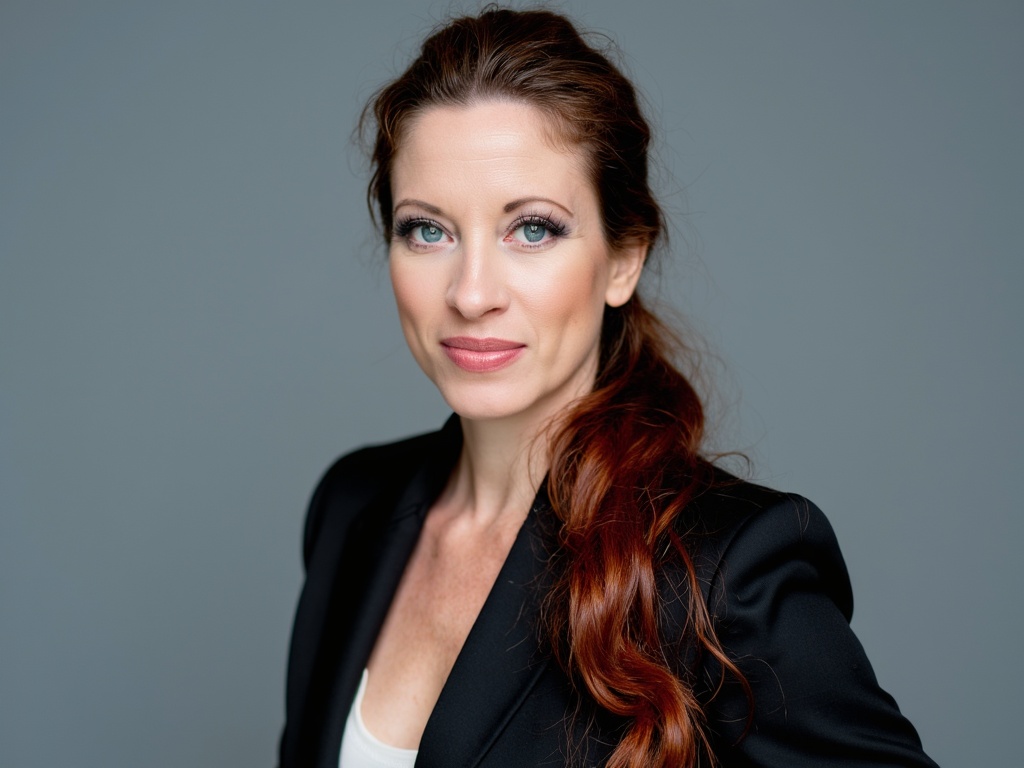
Author/Founder
Dr. Lisha Antiqua is an author, speaker, Identity Architect, and founder of Your Own University®. She is the creator of the Amazing YOU Method®, Reclaim Intimacy™, Soul Psychology™, and the SSS (Safe. Secure. Successful.) Framework. After overcoming childhood sexual abuse and later narcissistic and emotional abuse, she dedicated her life to helping others rebuild identity—not just recover from trauma. With a Ph.D. in Transpersonal Psychology, Lisha integrates neuroscience, somatic practices, spirituality, and identity transformation to help people reclaim confidence, healthy relationships, a sense of purpose, and lasting freedom. Her mission is to help people become the person trauma tried to prevent them from becoming.
