Healing After Domestic Violence: Reclaiming Your Story with Tricia Gray I Ep. 135

What happens after you tell your story—and the people from your past start responding? Tricia Gray returns to Beyond the Statistics to talk about what happened after publishing her memoir, A Lotus Legacy. Readers across the country began connecting with her story, but so did people from the Louisiana hometown she once ran from—including people who remembered the day her mother died. In this conversation, Tricia and Ingrid explore healing after domestic violence and childhood trauma, wha...

 Apple Podcasts
 Spotify
 YouTube
 Amazon Music
 iHeartRadio
 Deezer
 PlayerFM
 Podcast Addict
 Podchaser
 PocketCasts
 Castro
 Castbox
 Goodpods
 What happens after you tell your story—and the people from your past start responding?
Tricia Gray returns to Beyond the Statistics to talk about what happened after publishing her memoir, A Lotus Legacy. Readers across the country began connecting with her story, but so did people from the Louisiana hometown she once ran from—including people who remembered the day her mother died.
In this conversation, Tricia and Ingrid explore healing after domestic violence and childhood trauma, what survivors may need after someone finally says “me too,” and why telling your own story can be both freeing and deeply vulnerable.
Tricia shares how responses to her memoir led her to create the Bloom framework and a 48-page guided journal designed to make healing feel practical and approachable. She explains why there is no such thing as “perfect journaling,” how isolation and silence can shape survivors, and why compassion matters more than judgment.
The conversation also confronts one of the most persistent questions asked about domestic violence: “Why didn’t she leave?” Tricia and Ingrid discuss survival mode, motherhood, the realities that can keep victims trapped, and why judging a survivor’s choices without understanding the circumstances misses the larger story.
They also explore inner child healing, Ingrid’s experience with EMDR, the importance of support systems, and what can happen when survivors reclaim their stories before someone else tells those stories for them.
Because there is always more to the story.
This podcast is intended for mature audiences. Some listeners may find the content distressing as episodes may include discussions of violence, human trafficking, and other forms of abuse, including emotional, psychological, sexual, financial, and physical. In many cases, names have been changed to protect those involved. Please note that the statements and opinions expressed by guests do not necessarily reflect my own.
If you are in the United States and need immediate support, contact the National Domestic Violence Hotline by calling 800-799-SAFE (7233) or texting START to 88788. If you're outside the United States, crisis resources are available at BeyondTheStatisticsPodcast.com/GetHelp.
Connect with Beyond the Statistics:
🌐 Website: https://www.BeyondTheStatisticsPodcast.com
📧 Email: BeyondTheStatisticsPodcast@gmail.com
📱 Follow on Facebook, Instagram, LinkedIn, TikTok, YouTube, and X: @BeyondStatsPod
If today's conversation meant something to you, please subscribe, leave a review, and share this episode. Every story shared helps another survivor know they are not alone.
Music: Tim Crowe
00:00 - Episode Welcome And Trisha Returns
01:11 - Hometown Support After The Memoir
06:18 - Readers Share Their Hidden Stories
12:21 - The Bloom Framework And A Journal
20:50 - Finding Sisterhood After Living In Shadows
25:09 - Grace For Mothers Caught In Abuse
30:16 - When Men Pick Up The Memoir
33:24 - Book Events And Domestic Violence Agencies
35:20 - Meeting The Little Girl Inside
45:40 - EMDR And Talking To Your Younger Self
50:27 - What Healing Looks Like Next
55:55 - Saying Mom I Hope You’re Proud
57:12 - Closing Thoughts And Listener Resources
Episode Welcome And Trisha Returns
SPEAKER_02
Hi, Warriors. Welcome to Beyond the Statistics. I'm your host, Ingrid. We last heard from Trisha Gray back in June when she joined me to talk about domestic violence through the eyes of a child. While you don't have to listen to that episode first, I'm going to go ahead and link episode 121, How Domestic Violence Affects Children, in the show notes. Today, Trisha returns after the launch of her book, A Lotus Legacy. Our conversation takes us through all the fields as she shares feedback she's received, what it's been like reconnecting with people from her hometown, and even what happens when we come face to face with little versions of ourselves.
Hometown Support After The Memoir
SPEAKER_02
Here's Trisha. Trisha, thank you so much. Welcome back to the show. Thank you.
SPEAKER_01
It's been such a long time.
SPEAKER_02
Yes. And I was it, it was one in three last time you were here. No, it's beyond the statistics.
SPEAKER_01
It's beyond the statistics. And if I can be honest, at the last um taping of the podcast, I was super nervous. I was so nervous. I'm like, what am I gonna talk about? But now I feel like, yeah, let's get this done.
SPEAKER_02
Oh yes. Yeah, yeah. Yeah. There's and there's been so much that's happened since the last podcast. So your book is out. I can see it in the background. What's happened? Tell us about it.
SPEAKER_01
So the book is out, and it the book is doing really well. Obviously, a lotus legacy is on, um, it's on Amazon. It was, it hit the top new release. So I'm I'm really excited about that. And and what I will say is much of that I have to, I have to recognize the people in my hometown. I am born, if you read the book, I'm born in a small town called New Rose, Louisiana, very rural, remote area. And the people in my hometown have been so supportive of the memoir. And it's and it's interesting because I didn't expect that, and I'll tell you why. After my mother passed away, I ran from my hometown for embarrassment. You know, with everything that had happened, I wanted to be so far away from my hometown just to shed that image and that identity. But since the book has launched, I have gotten so much love and support from those same people, that same community. Um, and they have really helped to elevate and promote me and support everything that I am doing. So it's been it's been a huge blessing and a full circle.
SPEAKER_02
That's incredible. It's amazing how hometown people can come back like years, years later. So were they, did they remember everything, recall everything the same?
SPEAKER_01
Yes. So I had a couple people who either they were at the location or at the scene where she died, or they just remember, obviously, they were so much younger at the time, but they remember it happening. They remember where I got a couple people say, I remember where I was when I found out that was happening. Or I remember the day it happened. I walked outside of my house and I could hear all the sirens, the police cars, the helicopters. So I I actually had quite a few people go back to that moment and share with me their experience and how they excuse me, and how they felt at that moment.
SPEAKER_02
How did that feel for you?
SPEAKER_01
Um, it was uncomfortable for me, to be honest with you, because I don't know that I was at a point where I wanted to necessarily relive some of those experiences. And so to have people reach out to me to say, oh, this is what I was and this is how I felt. Oh, and I remember her, she was so beautiful, those types of things. It was, it was kind of hard for me to hear because to be honest with you, Ingrid, once that book went out, I just I that the kid in me still wanted to close my eyes and turn away from it. Like I still wanted to cover my eyes and turn my head. So to have people come back to bring back to my remembrance about the, you know, that moment and how she looked, it was just, it was hard for me to hear. But I had to get to a point where I understand that A, sharing my story meant that I was, I'm in a place of transparency and authenticity, but I also have to be in a place of connection. Like people, especially in my hometown who went through that experience with me, they had relationships with my mother. They know my knew my mother. They want to connect with me on that level. And so I had to get to a point emotionally where I was ready for it. And I think I underestimated that piece of it.
SPEAKER_02
Have you have you re-established any relationships or are you keeping in touch now?
SPEAKER_01
Yes, I am. As a matter of fact, I'm doing a book launch in my hometown um September 5th. And so I've gotten, again, so much support from local authorities, from the, you know, the sheriff, the fire chief, the mayor. And so so many people are coming out to help support me, to help promote and and just, you know, show all the love and support. We're actually my special guest is going to be Iris, Iris, I-R-I-S Domestic Violence in Baton Rouge, Louisiana. And they have a huge domestic violence prevention agency in in South Louisiana. And so they'll be my my special guest, whereas 10% of the book sales will be given to them. So I've just gotten a wraparound hug from the whole community in terms of supporting me.
SPEAKER_02
That seriously gave me chills. That is so amazing. Wow.
SPEAKER_00
Yeah.
SPEAKER_02
Wow.
Readers Share Their Hidden Stories
SPEAKER_02
Okay. Well, what other feedback have you been getting?
SPEAKER_01
Well, I mean, I've had, to be honest with you, I've had a lot of women reach out to me. Women in my whether I grew up with these women, whether they're from my hometown or they're in my new social circle commute women community network, where I've had women come to me, people I would never suspect come to me to say, I mean, these are professional business women, well-educated women. I've had women come to me to share their experiences. Either they've had an experience with domestic violence personally because they were, they are survivors of domestic violence, or they're recalling moments growing up as a child where they witnessed their mother be a victim of domestic violence. And I just, I underestimated the amount of women who share similarities when it comes to those types of things. Again, I put the book out. I was strong enough, brave enough to publish the book. But once the book went out, like figuratively speaking, I just covered my eyes and put my like a child in the corner. And that's how I felt emotionally. It's just like, I just don't want to see it. I don't want to hear it. I'm just gonna put it out there. But then when I had so many people reach out to me through text messages, through social media to just thank me and share how much my story and my transparency has given them courage and inspiration. Um, eventually I started to kind of drop my hands down a little bit. And I'm like, okay, okay, this is good. And what I found is that I've actually started to formulate like real authentic relationships and connections with other women as a result of it. So there are more commonalities and similarities with women than I ever imagined.
SPEAKER_02
That is okay, we talked not quite in detail about that before we started recording. And I didn't think of a better word, but that's so cool. I was saying, I was saying cool is not the right word because that means that so many women have gone, and and we know it's it's not gender specific, but in this case, so many women have come to you and with this similarity. So that part is very devastating and very sad to hear, but it's so cool that your book has given them that voice, you know, and and just think of like how many people who read the book who can't still can't say it out loud, but they're still maybe now just internally they're able to say, yeah, that that was my story too.
SPEAKER_01
And at least I'm not the only one. Like, because I think I share, maybe I shared with you before for such a long time, even as an adult woman, I felt like I was the only one. And so once these other women have started, you know, have started to reach out to me, I find peace and um optimism when I think about the fact that at least even if they never share their story, at least they can pick up that book and relate to something in that book where they can, there's a connection between us and they feel like for one moment I'm not alone. And and that's what I love. I love to, you know, I love to be a vessel where essentially, again, figuratively speaking, I can hold their hand and I can share my story with them, even if they're not sharing their story with anyone else.
SPEAKER_02
So is it weird thinking that there are so many people out there that don't actually personally know you, that now feel like they do personally know you at a very like an intimate level?
SPEAKER_01
It is weird. And I posted a video once on my social, on my TikTok page, and I said, and it was so funny because I I I I like to I call myself a self-proclaimed comedian. I really like to make people laugh. And so I posted something on TikTok and I said, you know, I want so many people to read my book that when I'm out in the streets going to the grocery store, I want people to stop me and be like, hey girl, how you doing? How's your grandmother? And I'd be like, oh, she's good. Yes. I'm like, she's good. Thank you for asking. So I really want people to feel like they can connect with me. Like I've always been very personable and and and selfishly. This is this is helping me along my healing and my healing journey as well. Because the more feedback that I get, whether it's good, bad, or indifferent feedback, the more I feel more empowered to be open and transparent about my story.
SPEAKER_02
Well, and honestly, I think any feedback, like what you said, is a good thing because it's it's getting people thinking. Even if it's an even if it's negative feedback, they're still thinking. They still read something that obviously it didn't sit well with them, but it shouldn't. It's not a comfortable story.
SPEAKER_01
Exactly. I agree. But I think I mentioned to you earlier, Ingrid, so the book was one piece for me. And once I published the book, I'm thinking, okay, I'm done. That's installment number one. You know, maybe three to six months from now, there'll be installment number two of the memoir and so on and so forth. So I'm done. The book is out there. But then once I started getting feedback from my, I'll call it my community, primarily my sisterhood community. I'm like, okay, so if you read the book, now you can connect with my story. But what do you do with that information? Like, okay, so I can I can relate to it. I've been through a similar situation, but what do I do now? And so I'm like, okay, what do I do?
The Bloom Framework And A Journal
SPEAKER_01
What do I do? What tool can I give them? And that's where I came up with the Bloom framework. So, like I mentioned to you before, it is not, you know, it's not scientific based. There's no clinical research behind it, there's no, you know, science behind it. It's pure practically practical tips for what I did to help me work through and work into my space of healing. So on the heels of the of the book, A Lotus Legacy, I quickly came out. And it, you know, it's nothing fancy, to be honest with you. It's just a 48-page journal with a dear friend letter. So I'm very transparent in the journal. I write a letter, a personal letter in the front of the journal. I talk about the Bloom framework and what it means. And then I just provide them space on a day-to-day basis to journal about their feelings, their experiences, some of that self-talk and things like that. So it's nothing, you know, it's nothing that is, again, where you'll see something on the shelf and it's this big 100-page or you know, 75-page journal, and it's well put together, but it's just a practical tool that I use to help me through my journey.
SPEAKER_02
Well, I've said this before. I don't know if I said it to you, but I have said it on the podcast. I'm horrible at journaling, it freaks me out. Uh, I've bought a hundred million journals probably throughout my life with every intention of journaling, but it like what you said, it can be intimidating. And for me, it's just like more work. How do I fit that in today?
SPEAKER_01
But I have to do.
SPEAKER_02
It sounds interesting. What is uh this letter? So you is it a letter to yourself? Is it a letter?
SPEAKER_01
It's a letter to the readers, it's a letter to the people in the journal. And so I I wanted to, even if you don't, to your point, if you don't utilize the journal, because I am not a I don't journal, right? Um, but what I wanted to do was provide at least a framework. So in a journal, it basically starts out with dear friend. I'm gonna tell you what I wish someone else would have told me a long time ago. You're not alone. And then I go into, you know, I my mother was a victim of domestic violence. I lost her to domestic violence, but the end of it is um basically what I will what I will tell you is this is just a chapter in your life. This isn't the final story. So I am giving you creating a safe space where you can, where there's no grading, there's no right or wrong answers, but basically where you can start to rewrite your legacy. And so there is no framework to it, there are no rules of engagement, but basically in that dear friend letter, it's me being transparent, me seeking to connect with the readers, if you will. And then at the end, I just say, you know, here's your first step to rewriting your legacy. This is your bloom experience. And that's kind of how I leave it.
SPEAKER_02
Treasure, I love that. I so with the with my new switching of the name podcasting, I decided to do a lot of stuff. And I I came up with like different merch lines or different collections. And I think probably my favorite one is uh the new chapter collection. And I don't have a lot of different things in that collection, but that one's my favorite because the favorite quote I have on there is this is my happily ever after. And I wrote it myself. And it it came from uh there were, or there are, there still are four of us, four very good friends. And as I shared my story of what happened, two of them also said, Oh my gosh, I just got out my divorce that just happened, he was abusive. And we knew the other one had previously been in a relationship, married to a very good man now, but previous relationship was not healthy. And so we were at the the second one's wedding, and we're like, We're so happy for you. You deserve this. And she's like, This is my happily ever after. And then you found your happily ever after, and like, oh Ingrid, don't worry, we're gonna find somebody and we'll get your happily ever after. And I said, and I just smiled and I said, I think this is my happily ever after. And so I love that the the story isn't ending, and that's I just love that because it's not that might have been one chapter. That could have been maybe it was the first edition. Yeah, yeah, it could be 18 chapters. Yeah, yes, yes, and and who knows? Maybe it, maybe it could be that's volume one, volume two, volume three, but you still have volume four, five, and six to go.
SPEAKER_01
That's as long as you have that pen going back to the pen and pen in hand, you have the opportunity to rewrite your story.
SPEAKER_02
Yes, and that's that's exactly oh, I love that. I'm gonna have to you might make me buy another journal.
SPEAKER_01
You know, and it's so interesting, it's so funny, Ingrid, because when I was when I was thinking about the whole concept of the journal, I'm like, okay, it cannot just be a journal that you can go into Target and Walmart and pick up and it's flowery and it's pretty. Like it, I have to personalize this so that even if you don't write one word in this journal, you get the dear friend letter where I am open and transparent and and we're connecting, you get the free framework so you at least understand the framework. So I'm like, and then I'll give you, you know, I'll give you the space if you just kind of want to doodle or start to write your story. But I really wanted it to be different. I didn't want it to be overwhelming because I don't journal. But I what I love about it is the dear friend letter. That is the best part of this journal for me.
SPEAKER_02
I love that. What a great, great idea. And to be honest, like if you are going to journal for me, that might help, you know, because now there's something that I might not even say, like, well, today this happened or whatever. It could be, dear Trisha, I got your letter.
SPEAKER_00
Thank you so much.
SPEAKER_02
Thank you for sharing. Let me tell you, I hate journaling, but I'll write you, I will write you a letter.
SPEAKER_01
Exactly. Exactly. And I think that everything that everything that I put out, everything that I give to the readers, the audience, my community, I want it to be heartfelt. I don't want it to be something framed in such a way where it's just about um selling books or selling a journal. And I think I I said this before, I really feel like it's a ministry for me. Like I feel like this is my ministry. I feel like I am walking in into my purpose. I am I've stepped into my purpose, and I feel like it this is truly about providing tools and resources, A, but B connecting. So I am going to have to be an open book for my community, for my sisterhood community. I'm going to have to be an open book because I what what gives me pleasure is um seeing other people heal, like knowing that other people can heal from my pain, you know, utilize me as a footstool, stand on my broad shoulders to help elevate you. And then if if that happens, then I feel like I've done my job.
SPEAKER_02
I love that. I think that's such a common feeling among survivors, uh, either, you know, witnessing or be an actual part of intimate partner violence. And if you don't feel like helping somebody else, that's perfectly fine too. You just do whatever it is. But I think that so many people will, it's like they've walked through fire and they're not just going to leave the world burning behind them. They're gonna turn around and say, like, who can I help get out of there? And I love, I just love that you have your you found this purpose. And it's this is what's weird because I can identify with this too, is I have my career path and this had nothing to do with it. But now I've found like this passion that of wanting to do more and connect.
SPEAKER_01
Yes, this is exciting, and some of this is selfish for me.
Finding Sisterhood After Living In Shadows
SPEAKER_01
I I don't know if I share it with you, but I also serve as the board present president for an organization called Women in Health Administration of Southern Cal Southern California. And it's huge. It has a huge footprint in Southern California. And I said all that to say I selfishly, I I took the seat as the board president because growing up in a home where domestic violence is so prevalent, you live your life in the shadows. Like you're not having girlfriends come over, you're not having play dates, you're not having people come over because you just never know what's gonna happen. And so I've lived so much of my life in isolation. I've lived so much of my life with the curtains pulled, if you will, or the blinds closed, if you will. Now I'm just like, I feel liberated. I'm free. Like I put it out there, my story is out there. Now I just want to surround myself with a bunch of women, a bunch of best friends. It's like there are no more secrets. The veil has, you know, the veil is lifted, and now I can just be myself and really start to establish relationships. So selfishly, I have done, I've also done this because I'm just in a space now where I want to establish a community for myself, where I have girlfriends and people I can um authentically um connect with and share experiences with. So I just feel like what I experienced, the trauma that I experienced, it created a barrier where I was not able to formulate healthy relationships. And now I'm just over it.
SPEAKER_02
Well, yes. Yes. I I can't say yes loud enough. I think that so many of us have just carried this and it it just it's like I I was living in a life that I was silenced. And now that I'm out, Lord, you can't get me to stop talking. I mean I'm gonna I started a freaking podcast. Like let me talk now. Now let me tell you. Yes, exactly. But I think that's so amazing because what you're doing is you're also giving that next person the knowledge of like, you know, you don't have to shut yourself in anymore. And what's great is once you put yourself out there, there you're out there. Like it's already there. Everybody already knows. Nobody can say anything about you that like let me let me tell you about Trisha and be like man I read her book. I read it in chapter two. And she wrote and she wrote me a whole journal of letters I know all about her. And it's there's something that's like so empowering about that just knowing like well let me be the first one to tell you before anyone else that's me say anything.
SPEAKER_01
I get to write my story. You get to determine what my story looks like. I get to narrate this story. And so you're right I think the perfect term for it is empowerment because I think you know if you go back to my hometown, everybody has an idea, a thought, a remembrance of what happened that day or my experiences. Well now I get to tell you my experiences and now I get to write my own narrative so that whatever conversations or assumptions have been had in the past, now you hear my story. And this is this is my truth.
SPEAKER_02
Right. No more speculations. Nobody gets to wonder yeah nope. No more whispering like did you hear whispering it's so great because then then you get to go and and you don't it's like you get to go out with your head held high and not wonder I wonder what they're saying about me. Well I know what they're saying about me because I told you what to say.
SPEAKER_01
I told you what to say too that's right exactly I think one thing too that since the book has been published and I posted I do these moments of truth on again my social media page and yesterday's moment of truth was I think when I published the book and the book was out there I did not and I didn't think through the the potential for judgment that would come with reading this story about my mother.
Grace For Mothers Caught In Abuse
SPEAKER_01
And so when the book went out I'm like oh my God you know not only are they going to be judging me but they're going to be judging my mother right because she didn't make the best decisions because they may want to know you know after all of this your daughter, your child, your children went through why didn't you just leave? And so I started to have maybe some remorse about publishing the book because I'm not just publishing my story I'm also publishing my mother's story, telling her story through my eyes and I'm like, but I don't want my readers to judge her. Like I don't want there to be judgment because of the decision she made for example one person read the story in my sister community and her her question to me was why didn't someone call child protective services and while that's true that's true it still stung because I felt like she was attacking my mother I felt like she was judging my mother's character or decision making or you know and so that was hard for me. And so after that comment I really got to a place of maybe I shouldn't have published the book maybe I shouldn't have said all that I said because that's still my mother and right wrong or indifferent she she was still a woman who wanted to be loved who wanted to be heard who wanted to feel appreciated. Now granted she may have made some poor choices and you know maybe she should have done things differently but that's still a woman and I still love her. That's still my mother and so when I got that comment from the woman in my community in my social circle I it's it it really stung me because I felt like she was judging my mother and so the post that I made yesterday was again I call them I call them moments of truth is basically what I said you know she was a woman who wanted to be loved who had a voice who wanted to feel appreciated. She made some poor choices but I hope when you read the the book I hope that it's coming from a place of grace and not judgment.
SPEAKER_02
Well and that's that speaks for so many of us across the board with domestic abuse and you know it I don't even know if it's like her making poor choices or her just like not even knowing what choices she had anymore. You get to a point where you're just in survival mode and you you think like these horrible things that are happening to you how is that surviving but you know well this is how bad it is if I'm complying with what my abuser is is saying or dictating what's going to happen if I leave. Well and then there's the threats I never got a I will kill you if you leave me but there are those legitimate threats that other victims receive and they know it's true. They know they know it.
SPEAKER_01
True exactly so that was that was hard I guess you know where are they now type of thing now that the book is out I I'm getting like just bits and pieces of well maybe I should have did this differently or things that I didn't expect to happen have happened since then. But that was a big one for me. It was oh my gosh like I didn't publish this book because I want people to judge my mother for the decisions she made but I just I pray that they give her grace because I still want to honor her. I still want this to be about changing her legacy and I don't want her legacy to be you know she was not so great of a mother who made bad choices but just come from a space of grace with her and just understand that you know she's a woman just like we are and she had some some of the same or similar needs that we have as women.
SPEAKER_02
Yeah and I think that one thing that can I don't know that we're ever going to be able to end domestic violence hopefully one day we can but is is to stop having the reactions to things and stop having all of these solutions of what do we do after it's what can we do to stop it. And honestly reading a story like yours, you may have a a man or a woman read the story just in the beginning of this abusive relationship and start to recognize I have my own children. This is what I'm going to subject them to. And I say at the beginning because I think once you're you're immersed in it, again, I think that you're in that survival mode where yeah I know I have my kids but I right now we just we just need to not we just need to survive today. I'll think about what to do tomorrow but today we have to survive today. And it's it's just it's like you you feel like you're going underwater and you can come up for a quick breath and then you're back under the water again. But you know maybe this would be something that will help prevent escalation of abuse maybe it'll help prevent people from you know or have them wreck it start recognizing signs before they get too far into a relationship too.
SPEAKER_01
That's right. That's right.
When Men Pick Up The Memoir
SPEAKER_01
Another thing I underestimated or I didn't expect was I've actually had men order my book um which I gotta tell you I I didn't think that would happen but I've had quite a few men order the book and so in my mind I'm thinking okay does that mean that you know it reminded me that there are men out there who could absolutely be victims or products or survivors of domestic violence because when we hear domestic violence we I automatically you think about you know women women being the victims but the fact that I've had men reach out to me and actually order the book I you know I'm it makes me wonder okay so I'm wondering what what space they're coming from. Is it coming from a space of healing or is it coming from a space of you know maybe they were the abuser like so I and I I wonder about that as well.
SPEAKER_02
I would say I don't think the abusers are going to care. You know to be honest and and they're they're probably like I'm not gonna spend my money on another person who thinks that they were they were a victim or that somebody like me did something wrong. I might be totally wrong though I don't I I prefer to stay out of the abusers' minds. I don't want to get wrapped in there it's a really weird world but I there are a lot of male victims of of domestic violence sexual assault absolutely and yeah I I just I didn't I guess I just didn't expect it and it it gave me hope.
SPEAKER_01
It made me feel like you know because I I expected the women right but to have men reach out and order the book it I I think it just gave me a different perspective. And to your point it just reminded me that there is the potential that male or female we have all experienced similar trauma right whether it's domestic violence whether it's poverty whether it's just loss of a loved one we've all we're all human. That's the connection we're all human I love it.
SPEAKER_02
Did you have you gotten any feedback from the men yet?
SPEAKER_01
No I okay I have not got no feedback from the men yet but it's you know it's I've and I I'll be honest with you I've gotten a lot of support from even the men in my hometown who grew up with me. So I just as I shared with you earlier it's just been so pleasant for me the experience that I've had and the opportunity to come back full circle because I ran for so long from my past by you know leaving my hometown not ever wanting to go back the fact that they have rallied around me and provided so much support for you know me and this book and this memoir it's just been it's been overwhelming.
SPEAKER_02
I'm sure so are you doing I know you're going back to your hometown do you have like a book tour planned out?
Book Events And Domestic Violence Agencies
SPEAKER_01
So obviously I'm going to do one in Southern California. So my goal is to have one in the Southern California market in October obviously for um domestic violence prevention or awareness and prevention month and then I will act my special guest here will be Laura's House Domestic Violence agency they have a huge footprint in the Southern California market. So obviously 10% of the book sales will go to them and it's really been nice because I've had an opportunity to partner with them strategically and so now I serve on their advisory board and and so there have been a lot of really good connections and relationships that I've been able to formulate with different organizations in the Southern California market on the heels of the memoir. That is amazing is this just taking you into places you had no idea it is it is and and and part of that is because I've spent so much of my life investing into my professional journey from going to school and degrees and so on and so forth and really just having tunnel vision when it comes to what I felt like my purpose was and what I wanted to achieve in my life and then to step back now and and for everything to just pivot so drastically I'm like okay I'm in my space like I'm in my space and more importantly I feel like the new me the woman that I am today is honoring the little girl in me is honoring my mother and frankly is honoring every other woman I um I can connect with really love this so much.
SPEAKER_02
I am so excited that we got to talk again and can you believe I my life has been so crazy uh my kids going back to school and just trying to get things together. I haven't even ordered your book so I have to do that today.
Meeting The Little Girl Inside
SPEAKER_01
So before you order it though before you order it I want to read I want us to talk about this excerpt so can I read this quick excerpt and then I'm interested in hearing your thoughts okay yes yes okay here we go here we go so I put I dedicate this book to my mother it is for the little girl and her who struggled to find her voice who screamed so loudly yet went unheard by everyone but me. I saw her I saw her pain her disappointment and the hollow ache of a woman searching for an identity she only ever found in broken men. I saw the woman she hoped to become and I saw the moment she finally gave up and became no more. But more than my mother I owe this book to the little girl in me. I owe it to the child who was strong when I was weak the one who watched over me while I was curled in a corner my fingers stiffened against my ears she was the one who rocked me and hummed melodies to drown out the noise of my mama's life. She reminded me that I had an identity separate from my trauma this book is for her. She is the seed who survived the storm waiting to bloom into the woman she always knew she could be she deserves that she deserves to finally rise there's so many things. Oh my goodness oh my goodness to your mother's little girl her little not her little you're her little girl but her little self the little girl in her and so I had to find a way to so at the end of the book when she dies and I think I said this to you before and I'm standing over her body I had to find a way to not just find my purpose but to understand to find to come from a space of grace and in order for me to get to a space of grace with her I had to find a way to connect with her. And so my way of connecting with her in my healing process was to understand that she was a little girl just like me and she you know she wanted the all the she wanted all the friends she wanted to have friends she wanted to feel pretty she wanted to feel loved appreciated and smart just like me. And so I had to find a way to connect with the little girl in her because you know me as a 19 year old watching my mother who was in her early 30s probably 32 when she passed away I just saw her at as my mom. But I had to get to a point where I had to remind myself but you know she she was just like me at some point where she you know she wanted someone to pick her, you know, and she wanted someone to love her. So I think that's where I was able to form the connection with her and understand that that that she's just like a woman or a young girl just like every other woman who wanted to be loved.
SPEAKER_02
That so it it speaks to me because I'm always thinking about my little little me uh even in goodness even in therapy there was something that we're doing and I was talking to I was like well little me like like it was a separate per like that's a separate person and I always pictured little me as just separate from me instead of being a previous version of me. But um that goodness I I had chills I had tears it's so powerful because it is the person who's being abused they were a child and that's like I said you know I I was geared for my career I didn't expect I was gonna be doing this but as little children we don't expect ourselves to end up in any kind of horrible situation whatever it may be.
SPEAKER_01
There's such a this innocence at some point that innocence was taken away and oh goodness and then and then your little you oh my goodness my little me my little me and the little girl in me like I said who was strong when I was weak who um you know wrapped her arms around me when I was busy trying to silence the noise that little girl she deserves like all of the recognition all of the gratitude all of the praise and I said on one of my moments of truth that I posted on social media I know you can see the picture behind me I had a lot of reservations about that cover. And the reason why I had reservations about that cover is because I didn't like the way she looked and I was embarrassed because she looked like she came from a household where there was poverty, there's trauma, you know, and I had so many insecurities growing up about my hair and the way I look and the fact that we didn't have anything. And so when I was at the point where I had to make a decision about that book cover that's not the cover I wanted. And I didn't want that cover because I was embarrassed. I was embarrassed about how that little girl looked um I frankly I just I just thought she was an ugly little girl and she did not present the way I would have wanted her to present. She didn't have long flood hair and so going back to the excerpt I read in the book I had to come full circle and realize that while she may not have looked the way I would have wanted her to look that little girl was kick ass because I got to stand on her shoulders. And as a little girl she was so strong and so brave that she elevated me to the woman I am today. So far be it from me to judge the way I think she should have looked back then because she was perfect for where I needed her to be and in order and in order for her to get me to where I am today. So and then I even made a joke on social media I said her hair was messy because she was a fighter like she fought she fought for me to get to where I am today. So she had she these are the war wounds. So I owe that to her but it was just it was really a struggle for me to move forward with that cover because again I went back into who I was as a little girl and all of my insecurities came out because I just didn't feel like she was pretty enough. But then I had to remind myself she may not have been pretty enough for the world but she was just right for me.
SPEAKER_02
My goodness well you know this comes on the tales of I was a lot of people were a Dolly Parton fan I love I was I have never cried over a celebrity passing away before ever in my life but the what you're saying it reminds me of uh she had a story in a book the coat of many colors and they were very poor growing up so anyway this coat of many colors her mother took different rags and she sewed them together to create a coat for Dolly to wear and when she went to school all the kids were making fun of her because it looks like a bunch of rags sewn together. But uh her mom had told her the story of Joseph and I whoever's listening I'm not sure if you're religious but or not but Joseph Joseph had a coat of many colors his brother tore it apart but it was like this yes this very coveted coat. And so her mother told her the story the coat of many colors and so Dolly was so proud to wear it to school and she got made fun of by everyone at school for having this raggedy old looking coat that was obviously just pieced together. But instead of getting mad or defensive she felt sad for them because she's like but I'm the rich one because my mom made this with love and I know love. So I'm the rich one. And so you know little you with a messy hair that's I just think I just think I correlate those two stories. I know they're different stories, but I feel like while you had this this battle that you were watching living you still had this beauty inside of you that nobody else ever would have had and and then that nobody else could have because they weren't living that same path that you were living.
SPEAKER_01
That's right. You know and and I think you bring up a great point it's just some of this is about perspective. So going back to your point about Dolly it's it's perspective. And and so I just, you know, because so much of my life has been as as a young child has been what some would consider unhealthy, um, not so positive, I think the lens with which I was looking at everything was always from a negative space. You know, I wasn't pretty enough and we were poor and look at my hair and You know, and I think that, you know, when I look at this picture now, I see strength. Like I just I want to honor her more than shield her from any ridicule or criticism. I want to honor who she is now. Cause I just keep saying every time I look at the pic that picture is like, wow, you this little girl went through all of that, everything that she went through, not just losing her mother, but everything, all of the all of those years leading up to losing her mother, where she was even at times uh abused physically by her mother's partner. Like she went through all of that, and then she is still living to tell the story, and and she's he healing and happy and successful. I'm like, that girl is a rock star. She is a rock star. So that that's the person that I honor.
SPEAKER_02
Yeah, and I think each of us needs to talk to our little selves every once in a while. That was one one of the things I did in therapy was talk to my little self who um it was just just sorry, I don't, I'm not making this all about me, but like I'm interested in hearing that.
SPEAKER_01
Okay, okay, I'll share.
EMDR And Talking To Your Younger Self
SPEAKER_02
Well, in that case, um growing up, I didn't have a horrible home by any means. My dad was an alcoholic, and but he was a happy alcoholic. He wasn't a mean alcoholic. He was he loved everybody, which was kind of part of part of the problem. But uh he would come home late at night, my mom would be mad, and I'd we'd like I would be in my bedroom, I'd hear them screaming. Mostly I'd hear my mom screaming at my dad.
SPEAKER_01
Blessing at him.
SPEAKER_02
Yes. And um, and um I'm gonna do a disclaimer. My mom does listen to this episode of this uh podcast every once in a while. So, mom, brace yourself. I don't know if you know any of this. Okay. But uh, my little sister would come stand in the doorway of my bedroom, and she never called me by my name. She always called me sister. And so she would stand in my doorway and she would just say, sister, and she would come into it and I'd say, Come on. And she would get into my into my bed, crawl into my bed, and I would talk to her, sing songs. I would wait for her to fall asleep because she was scared. And once she was asleep, then I felt like it was okay for me to go back to sleep. And this happened enough to where it's a very lasting memory in my mind. And with that memory, uh what I did with the the therapist is we did EMDR. We went to that memory because I wanted to get something else taken care of. She's like, hold on, there's something, there's something blocking you. Let's let's go back. And we discovered that about that age, I was, I was probably around eight years old, I think, that that's where I had come up with the idea that I'm on my own. If if somebody needs to take care of me, it's going to have to be me. If things need to get done, it's going to have to be me. And nobody told me that. Nobody said you're on your own. And my parents certainly weren't neglectful in the terms of like I always had food, I always had shelter or clothes. But emotionally, um, hmm, it it just wasn't there. My mom works night shift. I barely saw my mom. I barely saw my mom growing up. And so we would go back to that specific memory and we would keep going back to it. What are you feeling? What are you thinking? Whatever. And I visualized that little version of me walking into the hallway and just looking around and saying, like, well, where is everybody? And why isn't anyone here for me? And I mean, it was just a very emotional thing to go through. EMDR is very emotional. But over time, throughout this process, me, like the present me, walked into the hallway and just like knelt down to little me and said, Listen, I'm here now. And look, oh, it's gonna make me tearful. This is crazy. But like, I'm here now. And look where we are. Oh, look what you did. You carried us as far, and I've got it the rest of the way.
SPEAKER_00
And now, oh you, oh, I got goosebumps. Now I got it. You did your part. Now I got us.
SPEAKER_02
So our little selves like they need they need some recognition. Your little self is getting all the recognition because she's on the cover of the Amazon bestseller.
SPEAKER_01
Oh my gosh, but uh, you know, Ingrid, well said because and and I felt that when you said that. It's like you have carried me, little girl, you have carried little Ingrid, you have carried me all this way. I got us from here. I got us. So it's like, you know, you want to protect her now because she carried you for so long, and now it's my it's now it's my time to give back to you what you've given to me. That's beautiful.
SPEAKER_02
There was something that I just had to go through, and my sister was here, and she's like, has it made you think of the little you? Because she she knows the story. And I said, Yeah, she's holding my hand. We're going on this together.
SPEAKER_01
I love that. That is beautiful, absolutely beautiful. And I think that uh oftentimes that's where we draw our strength, especially if if they're if we're able to make it to the other side, that's where the strength comes in. It's like, how is it possible that a child, whether it's a little girl, little boy, that a child is able to make it through all of the trauma, all of the experiences they were able to make it through, to live, to tell about it. It's like, okay, that child possessed so much strength, so much endurance to be able to carry you this far, surely you can carry them the remainder of the way.
SPEAKER_02
That's right. That's right. That's right. I love this conversation. I always love conversations with you though.
What Healing Looks Like Next
SPEAKER_01
It's beautiful. So, you know, I think for me, in terms of what's next, is I'm really thinking about now, you know, what do I do with this? Obviously, there'll be a book two, there'll be a book three um installment of my memoir because there was so much that happened. I told someone one day, I think God just felt sorry for me because my whole childhood, young adult life was just a terrible, terrible movie. But I think that, you know, God has shown me favor because of the things that I've gone through. A, B, I think my purpose is to serve as a testimony. So now that the book is published, the journal is out, I'm really in the space of, okay, I've given the tools, I've shared my story, I've given the tools by the by way of a journal. But now how do I package that in such a way where there can be true healing that comes out of it? Like I don't want someone to just pick up the book and read it and think, oh wow, I can connect or I'm inspired or I feel empowered. But I also want them to see themselves in this story and see themselves and the potential that if I made it, they can make it. And then how do I message that? How do I provide tools, support, resources, wraparound services where I can help with the healing process? And so that's where I am now. It's like, okay, whatever the book is gonna do, the book is gonna do. But what it needs to yield for me, if I am walking in my purpose, it needs to yield healing, is what it needs to do. And so, how do I get it to that point? So much work. It's so much work because you know, me being, you know, a novice to all of this, I just thought, oh, I just put the book out there and the book is gonna go out there and people are gonna read it, and everybody's gonna come together, and it's just gonna be great. But I think you'll I have to, um, and this is a lot of what you talked about before we started to record. I I also have to create a space where I can cultivate some of that community and cultivate some of those relationships and create safe spaces where women feel comfortable coming to me to connect and share their stories as we move through our journey for healing. So I'm still learning, you know, I'm still learning. And while I'm learning, I'm healing.
SPEAKER_02
That's the part, that's the part that's so cool. I really need to work on my vocabulary. I really do. But it is, it's just it's so cool because you get to you get to hear all these other stories. Not that you're loving their other the other stories, but it's just, I don't know. It's like when you share your story, you let go of one of the bricks you're carrying. And then when you hear stories, it's like it's almost like they get to patch you up a little bit. There, let's fill in that crack a little bit. So it's right.
SPEAKER_01
Just a little bit.
SPEAKER_02
Yeah, yeah. It's it's just such an really just I don't even know how to obviously I don't how to know how to explain it.
SPEAKER_01
I just keep saying next time we'll talk, we talk, you'll have the right words. You'll be like, Saurus right here.
SPEAKER_02
Oh, goodness. Yes. Okay, my gosh. I well, I have a feeling this is not going to be the last time that absolutely not.
SPEAKER_01
You were here. Absolutely not. And I intentionally, I've had a couple people reach out to me to say, hey, you talked about this in your memoir, but you didn't say dot dot dot dot. For example, you talked about learning who your father was in your high school years when you were um a junior in high school, but you never said who he was. You never talked about that. So there were so many things in the memoir that I left blank intentionally. And it's because those things really didn't start to materialize and form until after my mother passed away. So book two will be a lot about what happened, it will be about what happens after she passes away, because obviously there'll be some bumps and bruises. There'll be some, I'll call them revelations along the way that make for a second and a third book. And obviously, that third book is going to be about who I am today. And so I really want my readers to go through the journey where I was a little girl, my experiences, and then as a young adult, my experiences, much of my experiences, full transparency, had to do with my I establishing my identity or re-establishing my identity on the heels of losing my mother. But now where is my father? Like who am I? Because I have a I have another parent out here who I've never met before as a young adult. And so a lot of my experiences as a young adult was finding my identity in terms of my father and who I am absent, my mother. And then, like I said, that third book will be about who I am today and even some of the bumps and bruises I experienced today to get to the point to where I am right now.
SPEAKER_02
I mean, it sounds like a movie.
SPEAKER_01
I know I'm saying someone's like, this is like a movie script. Yeah, it is. I had I had enough trauma where it can probably make for a good movie.
SPEAKER_02
Okay. Well, yeah, if if there can be a little podcast part in there of like, well, and then I went on this podcast, and then can I pick the actor? Can I pick the actress?
SPEAKER_01
Yes, absolutely.
Saying Mom I Hope You’re Proud
SPEAKER_01
The one thing I know, you know, I know we're we're closing. I I think the one thing that it in everything that I've said, whether it's about the journal, whether it's about the book, whether it's about me establishing some sort of a masterclass or something that's all around healing, I think at the end of the day, the little girl in me wants to say, without being emotional, I'm gonna pause, but the little girl in me wants to say, Mom, mama, as I called her, I hope I made you proud. And I think that's it for me.
SPEAKER_02
I think you did.
SPEAKER_01
I hope so.
SPEAKER_02
I think so. Tricia, thank you so much. And she's not done. No, we're she's coming back.
SPEAKER_01
That's right.
SPEAKER_02
Again and again.
SPEAKER_01
Thank you for having me. I appreciate it.
SPEAKER_02
It's always a pleasure. I am looking forward to staying in touch and and seeing goodness where this journey takes you.
SPEAKER_01
Thank you.
SPEAKER_02
This is and and I know your mom is watching.
SPEAKER_01
Oh, thank you. Thank you so much. Thank you for having me, and I will see you next time.
SPEAKER_02
Yes, ma'am.
SPEAKER_01
Thank you.
Closing Thoughts And Listener Resources
SPEAKER_02
Thank you again, Trisha, for coming on the show again. And thank you, Warriors, for listening. You can find the links that Trisha didn't refer to this time, but she did last time, along with her Beyond the Statistics profile in the show notes. I'll be back next week with another episode for you. Until then, stay strong. And wherever you are in your journey, always remember you are not alone. To learn more, explore episode resources, browse a collections, or register as a guest, visit Beyond the Statistics Podcast.com. If today's episode meant something to you, please share it with someone who may need it. Don't forget to subscribe, leave a review, and follow Beyond the Statistics on social media. Beyond the Statistics is a.5 Panoy production. Music written and performed by Tim Crow.
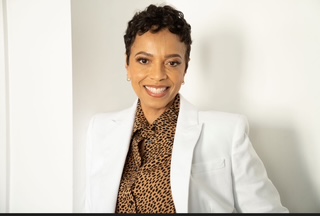
Author/CEO
Tricia has spent more than 25 years in senior leadership to include developing strategies, driving quality and performance improvement, executing operations, and mentoring & developing leaders.
She is the Chief Executive Officer and Founder of Aditus Partners Consulting Firm. Aditus Partners provides coaching and leadership training to align leadership, strategy, and operations that drive organizational excellence.
Prior to that, Tricia served as the Chief Operating Officer at a hospital in Los Angeles, CA. She provided executive oversight for operations, support departments, ancillary services, and contract services: to include Environmental, Food, Patient Transport, and Security Services.
Tricia earned her MBA from Texas Women’s University and her Masters in Health Administration from George Washington University. She is a Fellow at the American College of Healthcare Executives (FACHE) and a Certified Professional in Healthcare Quality (CPHQ).
She has served three years as Governing Board President for Women in Health Administration (WHA) of Southern California. She is also the author of A Lotus Legacy Memoir.
