How to Trust Yourself Again After Emotional Abuse with Elke Scholz I Ep. 148

How do you learn to trust yourself again after emotional abuse? When you've spent years having your feelings dismissed, questioned, or minimized, even the simplest decisions can leave you second-guessing yourself. In this episode of Beyond the Statistics, Ingrid is joined by Elke Scholz for a conversation about rebuilding self-trust, recognizing your body's responses to trauma, and reconnecting with your intuition after abuse. They explore how childhood emotional invalidation can shape our ab...

 Apple Podcasts

 Spotify

 YouTube

 Amazon Music

 iHeartRadio

 Deezer

 PlayerFM

 Podcast Addict

 Podchaser

 PocketCasts

 Castro

 Castbox

 Goodpods
How do you learn to trust yourself again after emotional abuse? When you've spent years having your feelings dismissed, questioned, or minimized, even the simplest decisions can leave you second-guessing yourself.
In this episode of Beyond the Statistics, Ingrid is joined by Elke Scholz for a conversation about rebuilding self-trust, recognizing your body's responses to trauma, and reconnecting with your intuition after abuse.
They explore how childhood emotional invalidation can shape our ability to recognize red flags, establish healthy boundaries, and feel confident in our own judgment. Elke explains how our nervous system responds to people and situations, why we sometimes ignore our gut feelings, and how small moments of emotional validation can make a lasting difference.
Elke also guides us through a practical "yes, no, maybe" body awareness exercise designed to help you recognize how different emotions and decisions feel in your body.
They also discuss rebuilding confidence after leaving an abusive relationship, making small decisions without second-guessing yourself, setting boundaries without guilt, and giving yourself grace when you miss a warning sign.
Whether you're recovering from domestic violence, navigating the effects of emotional abuse, or simply trying to reconnect with yourself, this conversation offers practical ways to begin trusting your own judgment again.
In this episode:
- How emotional abuse affects self-trust and intuition
- Childhood emotional invalidation and its lasting impact
- Recognizing trauma responses and nervous system signals
- Why survivors sometimes overlook relationship red flags
- A guided body awareness exercise for identifying yes, no, and maybe
- Rebuilding confidence and setting healthy boundaries after abuse
Elke’s Links:
https://www.beyondthestatisticspodcast.com/guests/elke-scholz/
https://www.instagram.com/lovingyourlife1?igsh=M3hpbWNsb2R2Y29l
https://www.youtube.com/channel/UCYf99EPFC3m01ft5ugIIC-g
https://www.facebook.com/LovingYourLifebyElke/
https://www.linkedin.com/in/elkescholztherapist/
This podcast is intended for mature audiences. Some listeners may find the content distressing as episodes may include discussions of violence, human trafficking, and other forms of abuse, including emotional, psychological, sexual, financial, and physical. In many cases, names have been changed to protect those involved. Please note that the statements and opinions expressed by guests do not necessarily reflect my own.
If you are in the United States and need immediate support, contact the National Domestic Violence Hotline by calling 800-799-SAFE (7233) or texting START to 88788. If you're outside the United States, crisis resources are available at BeyondTheStatisticsPodcast.com/GetHelp.
Connect with Beyond the Statistics:
🌐 Website: https://www.BeyondTheStatisticsPodcast.com
💜 Join the Beyond the Statistics Community: https://www.patreon.com/BeyondTheStatisticsPodcast
📧 Email: BeyondTheStatisticsPodcast@gmail.com
📱 Follow on Facebook, Instagram, TikTok, YouTube, and X: @BeyondStatsPod
If today’s conversation meant something to you, subscribe, leave a review, and share this episode. And if you’d like to continue the conversation beyond the episode, I’d love to have you join us in the Beyond the Statistics Community.
Every story shared helps another survivor know they are not alone.
Music: Tim Crowe
00:00 - Welcome And Why Intuition Matters
01:11 - Elka’s Story Of Anxiety And Shame
12:26 - The Adults Who Noticed And Helped
20:26 - How We Learn To Ignore Signals
28:38 - Guided Yes No Maybe Body Exercise
35:31 - Trusting Your Body After Trauma
48:21 - Rebuilding Self Trust With Small Choices
54:00 - Finding Yes Moments When Life Hurts
01:01:32 - Books Courses And Staying Connected
Welcome And Why Intuition Matters
SPEAKER_00
Hi Warriors, welcome to Beyond the Statistics. I'm your host, Ingrid. Have you ever had that feeling that something just wasn't right, even when you couldn't explain why? Those little spidey senses telling you to pay attention? Today, my guest, Elka and I are talking about intuition, something many of us naturally have as children, but can learn to ignore or stop trusting, especially after experiencing abuse. Elka even walks us through an exercise to help us recognize what our bodies may be trying to tell us. We talk about learning to trust ourselves again, becoming more aware of those internal signals, and what can happen when we start listening to them instead of pushing them away. So let's get into it.
Elka’s Story Of Anxiety And Shame
SPEAKER_00
Hi, Elka. Welcome to Beyond the Statistics. I'm very happy to have you here.
SPEAKER_01
I'm excited too. Thank you, Ingrid.
SPEAKER_00
I am thrilled that with this month we're kind of bringing things down and recognizing what our inner peace might be there. But before we get into any further discussions about that, do you mind just sharing a little bit about yourself with us?
SPEAKER_01
Yeah. Well, as a child and even a young adult, so that kind of whole segment, I struggled a lot. Like I'm I'm feeling like way better than I ever have in my whole life. I'm healthier, happier, have more energy. So as a kid, um, I had tummy aches, migraines. I also, English isn't my first language. So my mom said, you know, you'd you'd come home every day crying because I didn't understand anybody at school. And I think that's so sad when I think of that little five-year-old. And then as a teenager, and I still do it a little bit, but as a teenager, worse, I stuttered. I switched words and letters. And I used to think it was because of German, because German, we talk kind of, it's backwards to English, right? The grammar, and it's not that at all. And then um, numbers are very difficult for me. I'll sit there and I think I've memorized the number properly or put it in my phone properly, and then I get a wrong number and I look back and it's I've switched them. So what I've what I realized is that I do have a generalized anxiety. I'm highly sensitive, and that I have a little bit of dyslexia, and I've I worked around that. And, you know, if I switch letters or words, I just tell my audience ahead of time, and pretty much everybody knows what I'm saying, and we have a little chuckle, or we just ignore it and move on. So that was uh some of my childhood. And then the other part of that, uh, which I know now was anxiety ridden because I didn't have a great childhood, and I didn't know that. I didn't know that until later, and especially when I became a mom, and I just went, oh my gosh, this was so wrong. And um, and it also led me to choose partners that um I was choosing for the wrong reason, and I wasn't healthy, and I was choosing unhealthy people, and that was just a disaster for everybody. And um yeah, and then mix in with um some abuse
SPEAKER_00
a little bit in.
SPEAKER_01
Yeah, wow, and yeah, and you know, like and and and I talk about it and I'm passionate about it um because I suffered in this silence, and we shouldn't suffer. We don't need to. There's an easier way. And I mean, I really thought that I had this mask of, you know, I was a creativity facilitator. I had my own business. I owned a century home in my my 20s and 30s, and and I thought if anybody knew the secret of this inner life, they wouldn't like me or want to do business with me. And I believed that. I I believed I was hiding um this torment, and um, it's really was around the abuse and the message of not feeling worthy. And it it isn't my message. That's not who I am, it was what I learned. So I'm passionate to be on this show, and hopefully I do think will bring value to the listeners today.
SPEAKER_00
I agree. So it was a mixture of your childhood experiences and the abusive relationships as an adult that made you feel you're unworthy, you think? Or did
SPEAKER_01
you think it was my unworthiness as a child, and actually there was abuse as a child as well, more um kind of adolescent. And I, you know, I never said anything because I just thought I was this terrible person. And even telling you this, I get a little choked up because it's not true. Yet, you know, this this um young girl suffered. I say that about my my younger self. And um, you know, now I'm her mama bear and I look after her. Um, however, it really shaped um my choices as an adult.
SPEAKER_00
It's interesting you're saying your your little version of yourself because I did just have an episode not too long ago where the guests and I were speaking about talking to our little selves. And I had therapy where I addressed, I didn't have anything traumatic happen, but just had happened to take on the responsibility of being the mother figure when I was around eight years old. And my mom worked night shift and we were at school during the day, so we never saw our mom. And that along with a couple of other things, but I ended up having to go and talk to my little self. And at one point I was visualizing my adult version, telling my little self, it's okay, you got us this far. Look, look where we are. We're so good. I've got it from here.
SPEAKER_01
Now, and did you talk to yourself when you were little? So when you were eight, you talked to yourself, or did you do that now, like as a as a woman?
SPEAKER_00
I do it now as a woman. I, you know, I don't know. I can't think of maybe I'll have to think about that to see if I actually talk to myself as a child. I probably did. I don't know. What does that mean?
SPEAKER_01
Oh, uh no, I was just more wondering about it. Um, I mean, one of the things I've noticed with my kids is they're doing, they're thriving. They're doing like super well. And, you know, I've always said, I wish I was my own mother. I wished I was my own therapist because of all the work I've done. And my mind, the way it works, it's just I do have a very inquisitive mind, a very questioning mind. And and I I just keep going and digging and finding answers. And um, of course, that has come to why I've written books about it. And um because I there was something in me that believed that um I shouldn't suffer. Like I really had that belief, even as a kid and as a young person, even though I was suffering, I just thought I shouldn't be. And I saw other people that seemed happy, and I think they are, and healthy, and had good relationships and uh good backgrounds. And I, and so then, you know, I was kind of wondering like, why, you know, why am I not feeling like I'm living this miracle? I mean, I believe that even as a kid. I think I spent a lot of time outdoors. Well, I did, I didn't, um, and I was uh I did a lot of cycling, I was alone a lot, though I felt peace in that. And I felt peace in nature, and yet um there was also this struggle, right? So yeah, I didn't, yeah, I I needed it to make sense somehow.
SPEAKER_00
So that little that feeling of not deserving sufferer, suffrage. Uh is that was that just your like intuition talking to you, you think?
SPEAKER_01
I think I always thought there was a better way. And I'm I'm faith-based and very spiritual, and I just thought, no, we're living miracles, yet there was this struggle inside me that that felt so bad. And then my inner language, uh, I thought I was a positive person, but there were terrible things that I felt about myself. And so, you know, as you become more and more aware, you realize uh these aren't your voices, they're voices you've learned. And when you look at beautiful babies, they're they're perfect. And that's how we start. We're this blank slate. And um, yeah, it got just got me digging more and more. I I can't tell you why. It's probably because I had some experiences that, you know, this little flame that said you gotta keep going. There's something better out there. And um, yeah, and I and I had people that I had different people that um, you know, I look back now, a neighbor, I uh it was a father of my one of my friends, and he just said, if you ever need anything, and he was fixing my bike, even though, you know, my dad was capable, but there was nobody that was gonna fix my bike. And and he just said, if you ever need anything, you're welcome here. And the way he said it was so warm. And I remember feeling so puzzled, and I thought, how come he knows my secret? So that's what I thought, because I was so ashamed of um myself. And part of that was because how I was being treated at home. And so, of course, as a kid, as soon as I could, I could I would ride my bike and I'd be out of the house, and I would come, you know, pretty much when everybody was doing something or they were not in bed because I wasn't allowed to be out that late, but I I was just away. I thought if I'm away, then I'm not in trouble and I'm not this bad kid. And um, yeah, and then and then I how come my you know my friend's father can see it was like almost he knew this secret. And then I had other people, even as an adult, uh, I look back, dear friends that, you know, were dropping in on me, but I found out later they were social workers.
SPEAKER_00
Oh my gosh.
SPEAKER_01
So they weren't they weren't official appointments. Um, and I just remember, you know, and I she's in um I do an acknowledgement in her in one of my books, and um she would come and drop by and just have tea and chat with me, and and you know, I look back and I she took me under her wing and just was there as support. And now I think back, and that was very um intentional on her part. Yeah. And um so so I've had some of those pillars that um kind of uh gave me uh some kind of not reference, but stability somehow.
SPEAKER_00
That makes
The Adults Who Noticed And Helped
SPEAKER_00
sense. I think that it's important to that you were mentioning that there are these adults that recognized it because I feel that I'm Generation X. So I feel that a lot of individuals in my generation, we excuse the I don't want to say neglect in terms of true neglect of not being fed or clothed or anything like that, but the fact that our parents just never knew where we were and weren't necessarily, you know, they they and for you those of you who don't know, there actually really was a commercial that would come on at 10 o'clock at night that would ask, remind the parents, do you know where your children are? And I
SPEAKER_01
remember that.
SPEAKER_00
Um but it's I think it's easy to excuse away a lot of things based on, well, that's just what everybody was doing, and everybody was sort of neglected. But there are there were adults. It wasn't everybody, and there were adults that actually really paid attention and recognized signs in in kids that weren't even their own kids.
SPEAKER_01
Yes, and you know, that's a great message for for those adults that do see the children because it's interesting, and I and I've thought about those things, how much of an impact that neighbor made. And all he said was maybe two sentences and fixed my bike. I mean, I didn't have a lot of exchange with him, and you know how powerful that is, that that kindness. And one thing that I also um discovered, I I I did a lot of work in schools, and what I I don't even know where I read it, and uh it was what I was reading was saying that adults don't tend to smile at children. And I went, what? Like I was just shocking. And so I remember working in the school and I thought, well, I'm gonna check this out. I'm gonna check out what adults are and how they're behaving. Because I actually had um great success in school, and um the kids like I would come in for special workshops, and the kids were amazing, and even the teachers would say, What have you done? Like you put this spell over them. And I didn't. What I did is I smiled at them and I knew they just wanted to help. So I quickly gave them little jobs, and the whole classroom would be quiet. Though what I noticed was that the adults were not smiling at the kids, and they were walking through the hallway stressed and thinking about something else, but not the children, maybe their work plan or being evaluated, or you know, some kind of stress. And I was shocked at that. And so that made me even do it more. And so when I go into a school or I'm around children or even people, I just smile. I just think of I in my head, I say, smile your face off. Just keep smiling, keep smiling, keep smiling. Because it this may seem funny. I'm an introvert.
SPEAKER_00
I am too.
SPEAKER_01
Yeah. And so uh, you know, I'm I'm now I speak and I'm a public speaker because of my passion. And and also this, uh, I don't tend to talk a lot, even when I do trade shows or anything, I just smile. I just I know I can smile, so I keep thinking smile your face off. And it's sincere. It's not that it isn't. However, I've learned that other people have they're nervous, they have anxiety, and kids, they just drink up smiles. And so um, you know, as a teacher, as an adult, and when you're noticing um something in a child, is just smile at them. And um, yeah, it's amazing. You'll find that they're actually calm. Like a lot of people think kids are all over the place and they're hyper. They're not hyper, they just need a calm adult. And um, you know, just sitting there and being, and they love it, and they'll come and they'll they'll calm right down. And yeah, I can't, yeah, it's it's amazing. It really works. So I know um, yeah, people, there's probably teachers and and parents listening, I'm sure. So just keep smiling at them. We don't smile enough, you know. It's like, you know, pick up your knapsack, get ready for dinner, get ready, blah, blah, blah. No, I'm happy you're home. Yay! You know, start that way.
SPEAKER_00
Yeah, and definitely that actually reminds me of the song Cats in the Cradle, where you know, the dad is too busy for his kid when the kid's growing up. And then when the dad gets older and he wants to spend time, he knows he's in his last days and he's calling his son, like, hey, you want to go hang out? And he's like, Sorry, dad, I'm busy. So we're teaching our kids how to behave, and we're teaching by not recognizing them by concentrating on our own stresses, that they're not as important as our stresses are.
SPEAKER_01
Right.
SPEAKER_00
Okay.
SPEAKER_01
And it's not, and and you know, by saying it out loud, I think would horrify what horrifies us because really truly our kids are the most important. And, you know, all we want to do is for them to thrive and be happy. And we've we've got blinders on because there's so much stress and pressure to create a home and feed them and and um you know provide for them when really they really need that smile and eye contact, 100% eye contact. Not not this. And you know what? When you see a breastfeeding mother and she's on her phone, I I my heart breaks. My heart breaks because you want to be looking at that precious time between you and the baby. Don't want to be on your phone.
SPEAKER_00
Those looks that they give you is just pure love. And I ugh, I will catch myself every once in a while. I do pay attention when I get my kids when they wake up in the morning and I pick them up from school. I'm always, I do actually smile. I was I was thinking through that right now. I'm like, okay, I do smile, say good morning, say hey, welcome home after school. But throughout the evening, I'll catch myself on the phone sometime and I'll hear a hey mom. I have three kids, so I hear a lot of hey moms, and I'll say yeah. And I'm just thinking, I'm quickly finishing up whatever I'm doing, and they'll start talking, and they're halfway through what they're saying, and I realize I have not paid attention to a single word. So I will set it down, I'll turn my body, face them, and say, I'm so sorry I was distracted. Let's start over. What were you saying? And I've told them to call me out on it too, if I'm doing that.
SPEAKER_01
Yeah, my daughter, she would um I remember her feeling distressed. She said, You don't listen to me. And um, I just went, okay, I've got to change that. Yeah. So thankfully, and and you know, thankfully, and I want to say to you too, kudos to you that we've brought them up that we they can say that to us. You know, that they can say, Um, you're not hearing me, and that we hear them. Right. And I think that's that also, I mean, yes, we do we, you know, we're human. However, the fact that we do hear it and then we can make the correction, I think that's pretty good too.
SPEAKER_00
Right. And the fact that they're recognizing that this is not a normal thing, I need to bring it to your attention, actually says something too. So all of this is sort of tying into our overall conversation.
How We Learn To Ignore Signals
SPEAKER_00
But you and I did talk about starting the episode. We're we're about 20 minutes in now, but it's starting the episode with an exercise because we're all born with this, you called it a spidey sense.
SPEAKER_01
Yeah, and I and and it's interesting because this is a good timing, and it's a body awareness exercise, and we all have it, and and we do we can call it a spidey sense, we can call it intuition. And so, what I want to do is break it down, and I think um so our bodies are our best barometers, they're our guides, and we can listen to our bodies, like so. Listeners, just know you don't have to listen to me or trust me, trust yourself. So that that's what I um would invite is that you continue to work on trusting yourself and that and that uh in in our life, we do when we look back, our spidey senses, you know, were there and we went past them. So I want to teach an exercise and share this exercise. It's very simple. And um, if people want to, they can obviously re-watch your episode. They can also, I have it on my um on a YouTube channel. Uh, it's a bit longer because it gives time for journaling, so we won't do that here. However, um, I call it a yes, no, maybe exercise. So yes, no, maybe. And I learned it in a couple different places, uh, mostly expressive arts. So, and it's a body exercise. So, when we were babies, we knew so yes was a definite warm belly, you know, swaddled, snuggled, maybe the heartbeat. So that was definite yes. No would have been maybe a tummy ache, feeling hungry, um, having a soil diaper something. So yes, no, we're very clear as babies. There wasn't really an in-between. I think maybe the in-between might have been sleeping, but so yes, no, maybe. So what happens though? Here we are so clear. So the maybe place that didn't really start until, you know, maybe in a few months. It starts very early. I mean, one of them is um I'm going to go out on a limb is sleep training. So parents will sleep train a child for their schedule, not the baby's schedule. So that baby is already learning that whatever the sleep is, they're not, they're only supposed to sleep at certain times, not when they're hungry, when they're tired. So there's already a start. Then, and it isn't all parents, it can be uh neighbors, teachers. What happens though is, and usually it's busyness that I see it. Um so uh one of the ones examples I write about is you know, children are they're hungry all the time. And especially if you go visiting, the first thing is what's there to eat at a new place.
SPEAKER_00
Isn't that funny? They act like they've never eaten before.
SPEAKER_01
I know, I know. And you just roll with it. However, so come back to a different example where you've just fed, you know, your children lunch. They've just had a good lunch, and and um, they come back 10 minutes later, I'm hungry. While a busy mom will say, Well, no, you're not. I just fed you. Well, what you're creating here is um now the child is going, wait a minute, I thought I was hungry. They had the sensation of feeling hungry, however, they were just told they weren't. So there's a beginning of, well, maybe I'm not this maybe space, or I'm thirsty. No, you're not thirsty, you just had something. So a better answer would be, you know what, you just had lunch. Um, what I and I'll just give some hints. I used to put a bowl of fruit out, or I'd have veggies cut up. I always had that uh when the kids came over, or even my kids after school. It was always there. They could have whatever fruit they wanted, or um, and for drinks, it was basically, you know, water. And I had good water, so I want to just throw that in there. So we've got to just tweak the language a little bit, acknowledge the child first where they're at. And we do it other, we've I mean, there's so many examples, right? Um uh somebody uh falls off their bike and they're crying. No, that doesn't hurt so bad. Look, it's just a scratch, right? And so, and then it I just wanted to give another example because as well-meaning parents, right, we want to fix it, we want our children to feel better. Though I want to explain how this maybe space gets bigger. So I've I um I'm I have my private practice, I see kids, and I had this young little eight-year-old come in and he was really mad, mad, mad, mad. And um, and then he talked to me, and basically he was upset because of how he was in his soccer game. And I said, Well, just tell me more about that. What happened? Well, and da-da-da. He's telling me this whole story. And I went, Okay, that probably didn't feel very good. And he goes, No. And I went, Okay, well, do you get to practice? Do you get to do other things? Yeah, and then he'd go, okay, what are we doing today? And so his parents wanted to know what I was saying. And here's the important caveat, and this is so important, and it comes back to our bodies. So I'm sorry if it's longer, is acknowledgement. So, what was happening, and and I'm gonna bring this to our bodies too, was happening with this little guy. He was mad about his soccer game, and his parents said, No, no, you're a great soccer player, you did really well. Well, he'd get madder and yell louder, and then they couldn't, they didn't understand. They were trying to make him feel better, but in the end, that they were negating him. So the maybe space was getting bigger, right? And all I did was, I didn't say he was a bad soccer player. All I all I did was acknowledge his feelings. And so, and we need to do that for ourselves as well. So um, if we're not feeling well, if we have our spidey sense, if we have um a funny feeling, that doesn't mean something's wrong with us. It means pay attention. And earlier I was saying to you that, you know, some of my, I mean, yes, we're gonna make mistakes, but um of my uh things I already knew ahead of time something wasn't right, whether, and especially around relationships, that it already wasn't right. And my energy, I do remember it dropping, and I went past it. And and again, that's because of this maybe space. We get in our heads, we should, we must, whether whatever our identity is, we go past what our body's trying to tell us. So I know that was a bit long in the explanation, but I think it's important, right? So, what we want to do is we want to shrink the maybe space so that we're not having this self-doubt, this should I, shouldn't I, what's going on? Um, you know, how do I trust my body? We want to practice. And so I'm gonna take you through um a short exercise. And um, and I just want you to know we're gonna start with the yes place, and then we're going to do some breathing, brush it off, and we're going to go to a place that's a no, and we'll brush it off. Just know we're gonna go back to the yes and we'll
Guided Yes No Maybe Body Exercise
SPEAKER_01
stay there. So I don't want people to think that, oh no, I don't want to go to the no space. We won't stay there, but we need we need the contrast. And even though, and I've had people, um, Ingrid, they've they've said, Oh, I'm I'm always feeling uh terrible. There won't be a contrast. There'll be a contrast. And um, so is that okay? We'll start.
SPEAKER_00
Yes, I'd love to.
SPEAKER_01
Okay. So if um if you're driving, don't do this. Um, and you just you might have to replay this section again. But um, so when it's safe, is just find a comfortable place to sit and somewhere where you can be quiet for a few minutes. So uninterrupted. So phones are off, maybe the everybody's asleep, or it's a quiet time they're in school. And uh find your place in the chair, or if you're laying down, that's fine too. And bring your attention to your body and your breath. So you don't need to change anything, just notice. This is all about noticing, and noticing there's no right or wrong in anything you notice, and just be curious. So, even with your breath, you don't have to change it, just notice it. Like if you're not breathing low, maybe you're just breathing here, or maybe just around your tummy, that's okay. So coming to the breath, and if your mind wanders, that's all right. You just bring it back to the breath. And I want you to I want to invite you to imagine a time in your life that you just felt like, wow, this is amazing. So it could be uh the birth of a child, it could be a new job. Not that any of this is to compare, it's just a a place where you felt where it just great, felt like a million bucks, like you were on top of the world. Maybe it was the first kiss or a date. Just bring yourself back to that memory. It could be even a graduation or a new job. So just take a few moments, and if a couple good memories like that come up, that's okay. Um we can recall them one at a time and just kind of remember the time of day or the season that it was. Maybe other people were around you, you know, maybe maybe there's certain smells around. You know, if it's springtime, it might be lilacs. So just paying attention to sounds, smells, maybe tastes, any sensations around at beautiful, phenomenal time. And then as you're doing that, just notice your body. And we're not needing to talk about it or define it, but just notice it. That's it. So it's a noticing. And then take three nice breaths. And what we're gonna do now is you're gonna gently just brush off that memory. Not that maybe we want to, but we're going to brush it off just for the contrast, and we'll come back. So just brush it off your body, or you can imagine you're brushing it off. Because then we're going to do another three breaths. Two more. One more. And now we're going to go to a place a no place. So an unhappy memory, a memory where you felt oppressed, perhaps grief, angry. So just notice the shift of your body when you think about that time or that that event, whatever happened. And again, think about maybe a person was involved, you know, what time of year was it, what was going on at the same time. And just really notice your body and and notice that it's different than the other space. And then taking a deep breath, and we're gonna brush this memory off. Again, just as you're breathing, we're gonna take two three breaths, and we're just brushing it off. Because we're we're just uh doing this as an awareness exercise. And then three nice breaths again to give some space. Two more breaths. One more, and then we're gonna move into back to a happy memory. So it could be another memory, or it could be the same one. It's okay. And as I was mentioning before, if there's if you've got a few, that's alright too. So you wanna take each memory and savor it. So we'll take just a few minutes thinking about that wonderful memory. Again, the time of year, and maybe time of day, you know, maybe smells or people. So just noticing that feeling in your body. And this time we're just gonna breathe, and if you if you're able, just put your hands on your belly and we're gonna leave it there, and then slowly in your own time, just come back to the conversation.
Trusting Your Body After Trauma
SPEAKER_00
That was really interesting.
SPEAKER_01
It's fascinating. And I invite listeners to try this exercise multiple times during the day for one to two weeks. You're gonna notice so many things. Things that lift your energy and things that drain your energy. And I've done this for years and shared it for years, and people are so surprised because they'll go, Oh my gosh, I thought that was okay. No, it wasn't. And you can trust your body always. Trust your body, you've been there 24-7, and your body and your brain is part of your body, is hardwired to protect you and keep you alive. So your body is constantly talking to you, constantly, and it will tell you, and it's interesting, the more you practice, the stronger. So we had our yes and our no's, and then the maybe. So, what is gonna happen is you're gonna have a big yes, and even the subtle ones, you're gonna notice them because we did kind of extreme, because I do that for the example, and the same with the nose. Sometimes it's just a little nag that says, Um, you know, let's go to this store instead, or don't get this right now, or bring this along. And then you find out, oh my gosh, that's what I needed the extra flyers for, or oh, I haven't seen so-and-so in years, and they were trying to get a hold of me, and we met in a lineup at a store. You know, it's so really trust this. I learned uh the first time years and years ago, and my instructor said, What if you could trust your body 75% of the time? That's that's what he gave us. And I went, I'm taking it because I felt I was making horrible decisions in my life. And what I've learned with this exercise is as you get stronger and stronger, you're gonna be making better decisions 95% of the time, like a lot. And it's interesting. I even, and you gotta know too, have grace with yourself. I say that because a few weeks ago I hired a contractor and I did some meditation around it, and I had a funny feeling. And I I decided to hire them, but they were not kind. And I could have stopped it um a few times, and I kept thinking we were working it out. And um in the end, they were terrible, actually. And I know, I mean, I trust in my, I know karma will get them. It's unfortunate. And one of the things, and I I bring this to to our talk, is my tendency is to beat myself up for the mistake. When my body, my body clearly had the hesitation, though, as I I was also looking for, I knew it was a risk, let's put it that way. So then I stepped back and I went, I didn't make a mistake, I gave somebody a chance. And I was very cognizant of that. So as we trust our bodies, you know, we notice, we can notice the feeling, and then we can still have that conversation. And really, the guy messed up himself. I'm fine. Um, however, they lost a lot of future work, like a lot. He messed, he messed up his own life. And and so I can set that aside. However, coming back is even though you learn this exercise, we're still human to have grace. However, much better decisions, hands down. So I just wanted to throw that in there.
SPEAKER_00
Yeah, I can, my gosh, I think of so many things I can say. One, we're definitely born with it. I think about myself and when I started the relationship with the my abuser. And looking back now, I can see we talk about red flags. I can see there were red flags everywhere. It was like I was wrapped up in a red blanket, but I excused it away. And I remember even thinking, gosh, this really reminds me of something. I think it was a previous relationship. This reminds me of a previous relationship, and that guy was not a good guy. And he wasn't abusive, but he was not a good person. Like our relationship ended very quickly. And I kept thinking, I kept finding all of these things of like, oh, I don't know about this. And then I would just push it to the side.
SPEAKER_01
We do, we do push it to the side. And and, you know, and they're lessons. If we can look at it as lessons, like I I looked at it too, and I went, well, now I have some certainty of my boundaries. And um unfortunately or fortunately, if I support somebody that um maybe they've got to do a uh for me, what I learned is they've got to have a uh a track record first. Like I have another, like this is just contractors, so I can um so now I have another contractor who's like super amazing and um they're not worried, they're very kind and they treat me really well. And so there's a whole bunch of um trust building there. And I wasn't sure about them at the beginning because we don't always know people, though I had a a good sense, if that makes sense. I thought, oh, this seems like a nice guy. Um, but we don't know are they gonna do good work or how, you know, how are they gonna work out? We don't know all those things, but we do have that sense.
SPEAKER_00
I will say that coming out of an abusive relationship, you lose trust within yourself, even even more so. That that abusive relationship destroyed your trust of everybody, everything, and yourself. And then when you get out of the relationship, when you finally start to recognize that was not a good thing that it was just in, then you think, how am I ever going to make the right decision again? And I went through that process. I will say I'm at a point in my life where I wonder, is it my age? Because everybody always says when you're in your 40s, there's you're not going to have any time for any nonsense anymore. You know what you want, what you need. And so I'm wondering if it's my age, if it's my experience, or if it's all of the work that I've done over the most recent years to get to a point where I do recognize this relationship, whether friendship or romantic, um, feels good or doesn't feel good. I'm going to stop it right now. And I don't feel bad about it. I've actually told a few friends, I'm sorry, we can't be friends. You can say we're friends. I'm not putting any effort into this anymore, which means I'm not going to make time for you anymore because this is not healthy for me. And I felt okay saying it and setting those boundaries.
SPEAKER_01
Right. And you're and again, your clue was you felt okay. Right. And it's and the stronger, the more we practice, the more we listen to ourselves, then we're gonna feel okay. I mean, actually, even more than okay, because like I look at even my life, I'm making better decisions, whether it's with uh friendships, whether it's with business, whether it's yeah, whatever I do, even food, you know, gardening, traveling, I'm making better decisions. So what happens then, of course, then we're happier because we're going, oh, well, this turned out right, or that was fun, or um yeah. And yeah, we're making decisions all the time. So how cool? I think that's pretty cool.
SPEAKER_00
Yeah, I agree with you. And I'm at the same point, except for gardening. I'm not doing so hot with my gardening. Uh, but I think that's because I'm neglecting my poor garden. I'm not taking care of it as as well as I should. I was I wanted to say that the Spidey Sense thing cracks me up because honestly, just the other day I was on the phone with my sister, and I said, you know, because of my relationship that's I was in, I'm Spider-Man now. And she was like, What are you talking about? And I said, It was almost like I got bit by that spider, but now I can see all the bad. And like you said, you have to give yourself grace. You can't see all of it, or you may and you still ignore it. But I have come to a point like everything just seems to kind of go in my favor. And I know it's because I'm paying more attention and I'm I'm welcoming the things that are healthy and good and feel nice. And I'm not going, I'm not forcing myself down that path. That doesn't feel right.
SPEAKER_01
Yes. And you actually, when we do that, this is so interesting too. It's like, um, let's say we've done a lot of exercise and we're really in good shape. And then maybe we we decide, well, we're not going to for a couple of weeks. Well, then we're going to feel bad. Or let's say we've been eating really well and then we go and junk out on something. Well, our body's going to freak out because it's going, wait a minute, you know, you fed me so well, and now we're having this, and you're going to OD, not OD, but you know, get um high on sugar or whatever. Um, so and it's the same with our spidey sense because we start feeling better and better. We strengthen that space of that where we feel lifted up. And of course, the beautiful part in that is it ripples out. So we can help others as well. However, then our bodies, when we, you know, there's something that doesn't feel right, it's a lot louder. Um, and I think that's what I heard when you were saying that is like you notice it. It's like, whoa, um, it's more obvious. Where I think, you know, for me, maybe in my 20s, it wouldn't have been obvious.
SPEAKER_00
Oh, yes. I will say my 20s, I thought I had everything figured out.
SPEAKER_01
Darn. Yes.
SPEAKER_00
I know. And my gosh, not even close, not even close. But like what you're saying, it ripples out. And then because we were talking about the influence on children, when it ripples out, I feel like my kids are at such a better advantage than I was as a child because I'm recognizing things and I'm helping them also recognize those things.
SPEAKER_01
Right. Yeah, 100%. And and here's a cool phenomena and is that as we heal, our children heal. So, yes, they watch us as we're, you know, they they learn how we act, not so much what we say and what we do. That's what they learn. And as I'm getting stronger, as I continue my healing, I notice my children are, they're making shifts. So that's really cool too.
SPEAKER_00
If okay, let's say somebody's gotten out of this abusive relationship and they they're feeling very poorly about themselves. Uh, I I called it for myself, I called it the pits of despair.
SPEAKER_01
And
SPEAKER_00
when I realized when that I had created this pit of despair, I realized I had created that way back in like preteen time frame. And now I'm super, super aware of any situation that makes me feel like I'm even walking up to the edge of that pit. But what I would do is I would just jump into the pit. It felt awful, it was a horrible place to be, but it was so familiar.
SPEAKER_01
And that
SPEAKER_00
was almost more comforting than not being in a pit because that was a very unfamiliar space to me. So now, my goodness, I haven't been in the pits in ages. So I feel amazing about
Rebuilding Self Trust With Small Choices
SPEAKER_00
that. But what do you say to somebody, or what can someone do if they are freshly out of this relationship? They don't trust themselves, they don't trust anyone, and they're kind of stuck in this pit of how do I even get out? How do I how do I even begin? I suppose.
SPEAKER_01
Yeah. Um, couple things is practice this, the yes-no space. And uh the yes no, what it means is some people don't like that language. So I'm just gonna say the elevated, like just notice as your energy rises and as your energy drops. Just notice that. And notice it, you know, when you go out in the sun versus uh maybe bad traffic, like your body shifts, it changes. That's the first is to do that. Then here's how to gain the trust is just play with it. Um, so what I mean is in the morning, you know, you just look at the different colors in your wardrobe and just go, you know what? This is what I want today. And just trust it. And look at here's a fun thing, and I'm gonna I'm gonna call both you and I out on it. We're wearing the same color today.
SPEAKER_00
I noticed that right away.
SPEAKER_01
Yeah, and I was going to now here's a funny thing, because we've had crazy weather and everything, and I was gonna wear, I love aqua, it's one of my favorite colors, and this was on the chair, and I went, Oh, I'm gonna wear this, you know, I'll wear this color. And I didn't have to think about it. I wasn't in my head, I wasn't. So here's the thing is play with it. Just play and go to what draws you. And that could be something as simple as fruit or in the wardrobe. I mean, how fun is that? It's just, and I didn't know I was gonna talk about that today. Uh, I mean, I did notice right away I thought, oh, we're wearing the same color is so fun. Um, so that's how you build trust in yourself. And it's so interesting because that synchronicity I was talking about before, that really grows as you're trusting yourself, as you go to the places of feeling better. And it's going to guide you to a mentor, a book. It'll guide you even in making photocopies. I'm like I was saying earlier, I made extra photocopies, and I'm like, okay, I've got too many. And yesterday I was talking with some young women, and I went, Oh my gosh, they would love this, and they did. And um, so they're, you know, it's just trusting, and and even with the little things, like making five more photocopies than you what you need, or yeah, it just um so prevalent, and that's how you grow trust in yourself, and it's and these small steps and and celebrate them, you know, celebrate when you're wearing the same color.
SPEAKER_00
I definitely was going to say something. Another example I thought of is if you're driving and just for whatever reason you decide I'm gonna go down this road instead of the path that I normally take, or for some reason I want to go that way. I do feel that things lead you down the easier path. And I recognize that almost on a daily basis of wow, I feel now my I don't have a perfect life. I have hiccups and there are bumps and there are things where I do feel down. But for the most part, when I look at it, I think I have a really incredible life, and things just seem to lay in my path. No, and that's that's an extreme example. That is not true, just so everybody knows I'm like,
SPEAKER_01
I'm I'm with you on it, Ingrid. People have asked me, they go, how did you get that job? And I go, um, referral. Like it, it, I didn't go out there. My best jobs, my best contracts came to me. And just by I have a lovely uh thing is shine your light, shine bright, like just just shine. And it will come. And I love what you said about the driving, because that's a great example. I've done that where you know, I'm organizing my errands, and they're gonna be very organized so that I'm saving gas and time. And then I if I hear that and it's happened to me, it says, nope, you go in that other store first. And oh my gosh, the synchronicity is wild. It's just wild what happens. And um, if we can, you know, I would invite people just to be open to it, just to be open to listening to yourself and not getting so much in your head, you know, that's even though, and maybe your heart is the one talking that says turn right instead of left. Um, and then be open to just going uh in that direction. And one of the things too is maybe it's also keeping you safe. Like we don't always know, like you might not have a big ha ha uh brouhaw when you listen to that voice. However, you you will come home safely and you just go, well, I'm home safe. That may already be paramount, right? So uh just to trust that.
SPEAKER_00
Yeah.
Finding Yes Moments When Life Hurts
SPEAKER_00
And one more thing I wanted to say is it's hard to think of a happy moment when you are either in the throes of abuse or you just got out, is really, really hard to think of how can I think of that elevated or that yes moment when everything in my life just feels so miserable right now. And from personal experience, as soon as I got out of my relationship, I had this little bubble of happiness around me. But then it's because I wasn't letting myself think my brain was like, we're not ready to deal with what you just went through. And that bubble popped. And all of a sudden, I just hit this really low, low of like, what is even real in my life? And everything just seems terrible. So you can, it doesn't have to happen right after you get out of that relationship. Whenever that may happen, where you are thinking there's nothing happy for me, think of just something like you got to sleep in an extra five minutes, or for me, it's that first sip of hot coffee in the morning. And I flash back to being a brand new mom. And when I all I would want was just a hot cup of coffee, but my babies always dictated no. And I had a cup of coffee in the microwave all the time because I would put it in there to reheat it, and then I'd forget about it. And then I'd go back and I'd pour myself a hot cup of coffee because I couldn't find my old one, and then it got cold, so I'd go to put it in the microwave and find the old cup, old cold cup of coffee. So that hot sip of coffee in the morning for me is just blissful. So, like that would be one of my yes memories.
SPEAKER_01
Yeah. And and yeah, and it and I love that you said that. And and also I love what you said about sometimes it's hard, and you're right, um, it is sometimes hard to think of one or to feel it. Like we can maybe think of it, but to really feel it. And I would say to that as practice. Wayne Dyer, he would say, uh fake it till you make it. He was the one that coined that. And so um, because gratitude, it's also part of gratitude, right? Sometimes we don't feel grateful. We need to just practice it because then um we will get grateful. And yeah, and you're right, we get so used to stress, we get so used to unhappiness and depression that we have forgotten how to recall. Like we might think of the memory and go, well, that was a good time, but I'm not feeling it as you practice it. So thank you for bringing that up because that's really, really important.
SPEAKER_00
It's sad because I feel like each of us can find that that no moment pretty easily. But those happy moments, abuse or not, a lot of times life just doesn't let us really recognize the happy stuff.
SPEAKER_01
One of the things, um, a couple things that just came up for me. One is um when I was asked what made me happy, this was years ago, it took me six months to answer, which is sad. My clients, I get them, I get them there faster. Um, what I did though is every night I would I actually ordered a whole bunch of comic books and I would read them until I laughed. I didn't laugh for I'd be reading these funny jokes, and I would love the funnies. Um and it would take me um, yeah, sometimes 20 minutes. And then when I laughed, that's when I would go to bed. And so that that was work watching comedies. And what came up too is yesterday um I was with some friends and one woman, she's really struggling, and we went kayaking in very windy, choppy waters, which I'm very comfortable in. And um I said, Well, you'll probably get splashed, but it is warm and stick by me. We're gonna go in this area, it's not as bad. We're not going in the middle of the lake. So we were safe, anyways. At one point, I heard her screech, not yell yell, screech, and laugh. And it was beautiful because she had been struggling, she had come to um our gathering struggling, and here she was laughing, we're getting soaked, and so um, you know, like wherever those moments are, whether it's getting soaked in a kayak or that beautiful cup of coffee, which we all ended up getting warm drinks later because we got cold. However, her face changed. It was so beautiful. Um, it softened. And um yeah, it's just to keep trying and have grace. So yeah.
SPEAKER_00
So I I don't really have very many more questions left, but I just thought of when your kids can can is this an exercise that you can do with children too, or should you do with children too?
SPEAKER_01
Yeah, oh yeah. And oh, for sure. Any like um kids really understand good and bad, that's their language. Uh, so they really understand that the yes, no, they understand that very early on. And yeah, you can have them experience it and trust their bodies. And I think the more that we do that too, then they learn, and um and we can explore it with them too. Sometimes it's puzzling. Um, it's around eight, nine, and ten, they start to differentiate. Where uh, and what I mean is no can be disappointment or anger or grief. And um, you know, yes could be desire, happiness, calm. Like it isn't until that age that they differentiate those more um, I don't want to say complicated emotions, but they they can be a little more articulate. So yeah, it's uh I think it's a great exercise because again, it's like what you said to your daughter, good for you, right? To recognize it. So obviously she has learned that too in her body. They'll just do it quicker than us.
SPEAKER_00
Yeah, they will. They're we actually we have a nice little routine where we will do highs, lows, and a shout out. So we used to do it every day. We forget about things. I forget about things, they remember everything. But we will say, what was your high of the day? What was your low of the day? And is there anything or anybody that you want to recognize for today? And we do it for one, I guess to recognize what it was your high, what was your low, but then to give each other an opportunity to say something about it. So, like, my low is I did really bad on my test today, and I'm really sad I did on my, you know, I did bad on my test. Well, you know, one of their siblings might say, I'm really good at math. Do you want me to help you with your math or whatever? So it gives everybody an opportunity to empathize and then help like recognize what they're having, what's happening, and then cheer them on for their highs and say, What can I do to support you in your low? So that's but they're so quick at it. They'll get to me and I'm like, hold on, hold on, hold on.
SPEAKER_01
Give me a minute.
SPEAKER_00
Right. I'm like, I'm gonna go last, and then I go, I'm the fourth one to go, and I still haven't thought of what it is.
SPEAKER_01
That's that's great, though. I love it. Yeah.
SPEAKER_00
Oh
Books Courses And Staying Connected
SPEAKER_00
my gosh, I love this conversation. Okay, is there anything that we said we were going to talk about that we didn't talk about?
SPEAKER_01
Um no, I think we're pretty good. Uh, I think the only thing were the lasting words, which
SPEAKER_00
yeah, hold on though, before we get to that, because I want everybody to hear what you have to offer. I want to know, like, you said books. Let's talk about your books, where to find your books, um, if they want to keep in contact with you or anything like that.
SPEAKER_01
Yeah, I'm really excited. I have um been developing my website and I'm actually really pretty happy with it. It's you can always tweak them, right? And so uh lovingyourlifebook.com is the easiest way. So even if you're driving, you can remember lovingyourlifebook.com. Because usually we're listening to um shows while we're doing something. So lovingyourlifebook.com, I've got um my four books on there and they're available internationally. It's the easiest way to get them, and they're in ebooks as well as um audio and stuff like that. So that um you can get all the connections on the site. The other cool thing, which I'm very happy about, is um the courses, the online courses that I offer. And truly, like my mind, the way it works is I like it when things are simple and uh we can take them with us and we can share them. And the courses are about that and they're at different levels. And I just released um, it's like an um kind of I'm trying to call it something. So if I'm kind of hesitating, like an educational meditation. So they're meditation series that um are based on loving your life, and it just goes through um these different meditations and they're available that um, and then there's also free opt-in pages for calming techniques, so there's lots there, I guess. I don't want to, I could keep going, but I'm happy about the offerings for sure. And you can also if you want a discovery call or want to stay in touch, there's ways to do that on the website. And yeah, happy to do that. And my passion is that I want people to feel better. And we can like we're living walking miracles, and we deserve to celebrate that.
SPEAKER_00
This is so wonderful. I have to I want to check those out because I'm my my brain's always moving and I'm already thinking of things. Um, okay, so now let's do the the closing thoughts. Words of wisdom or encringment that you want to leave.
SPEAKER_01
Yeah. So if I were to leave a few words, it's to have grace with yourself and be curious. So there's nothing wrong with your body's always communicating. So if you can just be curious, have grace, and then the rest is practice. That that we need to practice these strategies. Even this, the yes, no, maybe is practice.
SPEAKER_00
That's perfect. Thank you so much, Elka. This was an incredible conversation.
SPEAKER_01
Well, thank you, Angrid, for the opportunity so much too. Thank you.
SPEAKER_00
Thank you again, Elka, for joining me today, and thank you, Warriors, for listening. You can find the links Elka was referring to as well as her Beyond the Statistics profile in the show notes. I will be back next week with another episode for you. Until then, stay strong, and wherever you are in your journey, always remember you are not alone. To learn more, explore episode resources, browse a collections, or register as a guest, visit Beyond the Statistics Podcast.com. If today's episode meant something to you, please share it with someone who may need it. Don't forget to subscribe, leave a review, and follow Beyond the Statistics on social media. Beyond the Statistics is a.5 Panoy production. Music written and performed by Tim Crow.
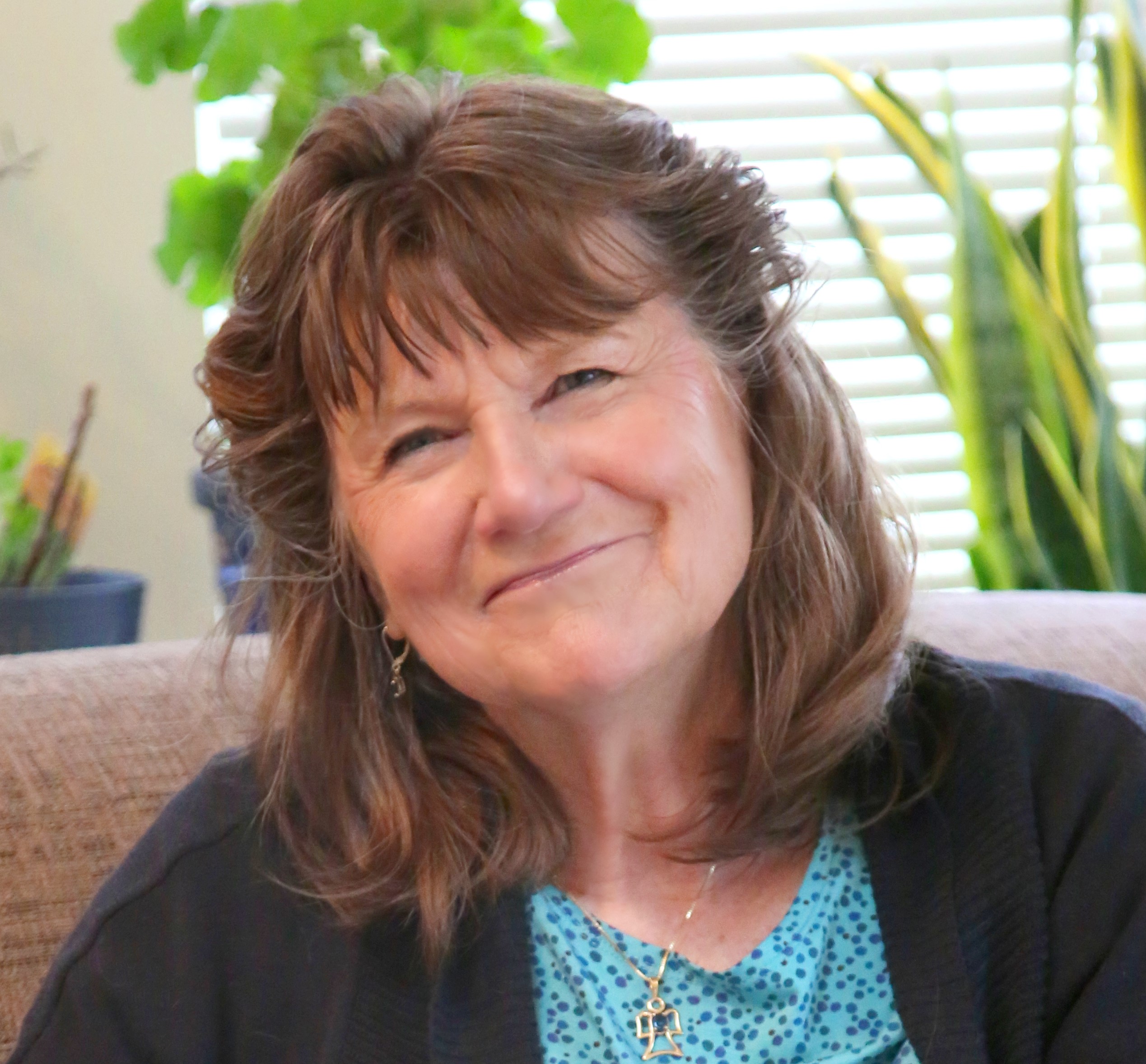
Author/Speaker/Therapist
Elke Scholz, MA, RP, REACE, is a registered Psychotherapist, an internationally registered Expressive Art Consultant/Educator, and internationally certified EMDR Therapist. She is the well-known author of 3rd edition, Loving Your Life, containing over 40 creative exercises as an e-book and paperback. This book is internationally available, teen friendly and is translated in German. Elke has launched Anxiety Warrior Vol One and Vol Two, both with powerful tools for your journey to emotional freedom. Elke manages her own anxiety. She believes strategies can be accessible and easy for people to lower their anxiety levels.
As an Energy Rich Vitality Specialist: living with passion and abounding energy, Elke is excited to announce her new online course “Energy Rich” and her audio meditation series based on her book, Loving Your Life. Her work includes creative anti-anxiety-wellness kits for employees, youth-at-risk and seniors in managing anxiety and depression. For over 30 years Elke has helped people and runs her private therapy practice in Bracebridge, Muskoka, in person and zoom sessions. She is a keynote speaker and has facilitated at conferences, enjoys giving interviews on podcasts, radio and TV. Find Elke’s work on You tube, Spotify, I-tunes and international audio platforms. Her passion is to empower people. Free pdf on " Proven Calming Techniques " on her webiste. She loves her work and her life. www.elkescholz.com
