Healing Together: Parent and Child After Abuse with Jacintha Field I Ep. 84

When you finally escape an abusive relationship, there's that moment of relief—then reality hits. How do you heal yourself while also helping your children process their trauma? This question sits at the heart of today's deeply moving conversation with Jacintha, a family counselor, art therapist, and domestic violence survivor who transformed her personal healing journey into a mission to help families worldwide. Jacintha opens up about the challenging aftermath of separation relationship th...

 Apple Podcasts

 Spotify

 YouTube

 Amazon Music

 iHeartRadio

 Deezer

 PlayerFM

 Podcast Addict

 Podchaser

 PocketCasts

 Castro

 Castbox

 Goodpods
When you finally escape an abusive relationship, there's that moment of relief—then reality hits. How do you heal yourself while also helping your children process their trauma? This question sits at the heart of today's deeply moving conversation with Jacintha, a family counselor, art therapist, and domestic violence survivor who transformed her personal healing journey into a mission to help families worldwide.
Jacintha opens up about the challenging aftermath of separation relationship that coincided with her son starting school during COVID. Her son's emotional outbursts—throwing bins and running away—became the catalyst for her work in emotional regulation. What started as drawing emotion circles with her son evolved into comprehensive approaches to help children express and process complex feelings.
The conversation offers practical wisdom for parents navigating post-abuse life with children. Jacintha emphasizes the importance of authentic emotional expression: "We need to be really honest with our children about how we're feeling." Rather than hiding your tears, acknowledging them teaches children that emotions are natural and acceptable. This transparency creates space for genuine connection during challenging transitions.
We explore the concept of emotional regulation versus dysregulation, with Jacintha explaining that children's tantrums often represent the culmination of many stressors throughout their day. When a child is fully dysregulated, they literally cannot hear your guidance—allowing the emotion to pass completely before attempting discussion proves more effective than immediate intervention.
For parents feeling overwhelmed, Jacintha offers a powerful reminder: "You need to put your face mask on first." Finding activities that bring you joy is essential for rebuilding your sense of self after abuse. Whether through simple rituals like "tea nights" for reading together, five-minute private check-ins with each child, or creating emotional release spaces in your home, the small connections you build will help both you and your children heal.
Ready to transform your family's healing journey? Listen now to discover practical strategies for processing emotions, understanding children's behavior cues, and rebuilding trust and connection after domestic violence.
Jacintha’s Links:
https://www.1in3podcast.com/guests/jacintha-field/
https://www.happysoulskids.com/
https://www.instagram.com/jacinthafield
https://www.linkedin.com/in/jacinthafield/
https://www.tiktok.com/jacinthafield
1 in 3 is intended for mature audiences. Episodes contain explicit content and may be triggering to some.
If you are in the United States and need help right now, call the national domestic violence hotline at 800-799-7233 or text the word “start” to 88788.
Contact 1 in 3:
- Send your emails to 1in3podcast@gmail.com
- Follow on Facebook, Instagram, and TikTok @1in3podcast
- Check out the website https://www.1in3podcast.com/
Thank you for listening!
Cover art by Laura Swift Dahlke
Music by Tim Crowe
00:00 - Introduction and Meeting Jay
07:38 - Jay's Journey Through Domestic Violence
12:18 - Supporting Children Through Separation
18:23 - Understanding Emotional Regulation
27:53 - Connection Strategies for Different Children
36:23 - Recognizing Behavior Cues and Needs
42:23 - Finding Self-Worth and Final Advice
0:23 Hi Warriors, welcome to One in Three. I'm your host. Ingrid, once you leave a domestic violence relationship, it is normal to be flooded with emotions, and when you add kids into the mix, things can feel overwhelming. As you work on your own healing, learning to process and manage your emotions, you're also faced with understanding your children's behavior, helping them process their feelings too. Joining me today to guide us through this is Jay, family and child counselor, art therapist and founder of Happy Souls Kids. Hi, jay, thank you so much for joining me.
1:04 Thanks so much for having me, Ingrid. It's nice to see you. I'm in Australia and you're over the other side. Yes, yes, and I'm warm, and maybe not quite so hot anymore, and you're cold, starting to warm up right, we're on the borderline of doing the happy dance. So we're getting our summer back and I think that gives everyone a little spring in their step. But we're not quite there yet. And here we kind of go from summer straight to winter. We'll have a little taste right now we're having a little taste of fall but then it'll go back to summer in just a minute and then it will be cold all of a sudden. It's just really strange here. So before we dive into talking about everything, could you give a little background about yourself, just so the listeners can get to know you?
1:50 Yeah, so my background is actually in events and PR. I worked with some really big projects, but I was always that kind of person that people would come to with their feelings and emotions, because I've always been good at holding space for people. And in 2019, 2020, we separated. My son started school and it was COVID all at the same time and he was not okay. He was throwing bins around the house, he was running up the street. His emotions were so well beyond anything I could support at the time. So, even though I'd been on my own journey, I'd been, you know, I saw a meditation teacher 20 years ago and I'd done breath work and I'd done my own healing stuff. When it comes to children, it was just a complete and utterly different language. So I had to really research what I could to support my own child, and so that's what I did.
2:33 I researched and we started drawing big circles and I'd ask him to put the face in how he was feeling. Because if I said to him, how are you feeling? He'd be like good, because when you're five years old, you don't know what emotion is Like. Everything's just big. And we'd always read emotion books et cetera, but I'd never related the actual book feeling to how he was feeling, and so that was what we started doing. We started really connecting and talking about how we're feeling. And that was a really hard time in our life, like it was COVID. We were stuck in a house We'd separated, so the entire dynamic of the household had changed and my poor little guy was just, you know, he was just not okay.
3:16 Then we had to sell our house and move, and then we moved down to Torquay, which is the surfing capital of Australia, and it was just our element to heal, like we both needed to heal. Both of us had these big feelings and emotions and all of this stuff coming up. And that's what we did. We moved down to the beach and it was hard, ingrid, for years and years with my child you know there's been so many layers to my separation which have been so tough. He's really copped it and my poor little guys had to go through so much. And then, during COVID, I saw that kids couldn't gain access to psychologists. There was a six to 12 month wait and everything I was doing which is, ingrid, how it is today, like there's still a six to 12 month wait for kids and everything that I was doing with my own child, I knew that I could be of service.
4:00 So, yeah, I studied, I had a private practice in Torquay for four years and I really worked with parents and children. I mean, I'd been on a healing journey for 20 years so I'd implement all of those things that I'd learned with parents, with children, and when I'm like I'm like all in. So you know, when I want to learn, I will learn as much as I possibly can. And so during COVID, while everyone else was doing whatever they were doing, I was studying and building a life for me and my son and, yeah, there was some big moments with him. But then, yeah, it was just beautiful because I had a home practice. So all of the modalities that I use in practice I had available to my own child at home and he was able to use sand trays and slime and all of these things.
4:42 And then I was in practice with the kids one day and I said, hey, do you want to do some meditation? And they just rolled their eyes at me and I was, like you know, lebron James meditates and instantaneously that was something that really excited a child, because meditation isn't for everyone, breathwork isn't for everyone, especially when you're kids. So it's learning what can help children and the lessons that we know as ourselves. Ingrid, like, imagine you knew as an adult what you know. Know as a child. Like our entire life would be different, and that's what we do at Happy Souls Kids. So it's now a global platform, which is why we're talking, to be able to help children and families around the world connect to themselves and to connect to each other. So that's a really long-winded story of my life, which is probably only 1%, but that's kind of that's the journey and the experience of how I've got here.
5:32 So with your clients, do you have like a whole array of backgrounds of people who come to see you? Yeah, I work with a lot of separated couples just because that was my. You know my situation and I and I understand the feelings and emotions and how hard transitions are for kids. Like it's like going from Pluto to Mars and I work with like neurodiverse as well as neurotypical kids and I don't have a practice now cause I'm working on the app full time. But when I was in Torquay, like it was just I just loved it, like the difference that I would see in a child from when they started coming to me then to when they left. Like it's just beautiful to be able to be a little piece of their journey. So, yeah, that's kind of how I got to be where I am.
6:17 So, okay, I have a few questions. So obviously I have a domestic violence podcast and for someone who is just getting out of an abusive relationship, they're trying to deal with their own emotions and their own healing. And then, if they have children involved too, the kids depending on what ages they are. You know the vast age range that they process through their emotions differently than adults. So how do you go about healing yourself, healing them, paying attention to them, being able to understand what they're feeling?
6:59 So first of all, I want to say that I was in a domestically violent relationship for 15 years, from when I was 17. I met somebody when I was in high school and I never realized how bad that was until I did a lot of the healing on my own. Years later I knew it was bad, but I didn't have that labeled as domestic violence, which it was emotionally, physically, mentally and so I know how bad it can get. I know those elements. There were some really tough situations that I've been in, and I've been in many. I don't like the word toxic I think everyone's on their own journey, but I like the word that are not aligned. We are not aligned. We are on different planets, we're in different stages of life and I spent so much of my time focused on him and saying he should treat me better.
7:49 I never actually stood back and said why am I accepting this? 15 years of my life I accepted somebody treating me with complete and utter disrespect, that was crossing my boundaries. I never even used to know what a word boundary was, and he was physically and I would continue to go back and I would go back. And so when I started asking myself the question of how low was my level of self-worth and self-love that I allowed somebody to treat me like that. So he is he. He has his own journey and it is not okay what he did and it is not okay what anybody does. But we really need to look into ourselves and say you deserve more, you deserve love and respect and you deserve so much more than what you're getting in those moments.
8:39 And so it's. It's really. It's tough because when you're in a domestically violent relationship or a relationship that it's not aligned, you feel worthless. You feel like you are so worthless and I used to have a ring on my finger when we separated which said I am enough, I am enough. And I used to repeat that to myself because I was in a hole of hurt. Not only had I been in a domestically violent relationship for 15 years, my separation was brutal, like brutal. One day I was there, the next day I wasn't. And it was so tough Because when you are broken and you have to hold not only yourself but your children, that's really difficult.
9:29 It's so difficult and I just want to acknowledge everybody that's listening that it is so hard and the first step is really being really authentic and honest with your children about how you're feeling. Now we don't need to go in the story, because we need to remember that that is still their parent. Whether that's the mom, the dad, the carer, it's still their parent and we never want that child to hate that parent. But we can be really honest and authentic with the child about how we're feeling. I'm having a sad day today. Today has just become a lot for me. I just need to let my tears flow. I need to just go for a walk in nature, because that's what I feel that my soul needs.
10:09 I'm so angry at the moment. I'm going to hit a pillow and I'm going to scream and I'm going to let all of my anger out on my body and I'm going to go to the beach and I'm just going to go out into the ocean and I'm going to let it all out. So we need to be authentic with our kids because in those moments and I'm so guilty of this when I'm in pain, I will hide Like I will just escape the world. I don't want people to know that I'm not good and I'm gone. And if you do that with our kids, especially when they're going through separation, they're losing you too. So, when we separate is such a beautiful way that you can connect with your kids and you can reconnect with them and you can be really honest with them in a really healthy way, and when you don't have your children, we really need you to be working on yourself, so finding joy.
11:03 What are moments in your life that made you so happy? What were the moments in your life that made you light up? Was? What were the moments in your life that made you light up? Was it? For me, it was like roller skating, so I started roller skating and skateboarding and surfing again, and that made my soul happy. You know, being out in the ocean, being next to it, being able to watch the sunrise and sunsets like that's all I need. I don't need much more than that, and so it's finding whatever that means to you. It could be knitting, it could be reading a book, it could be going out in nature, it could be I don't know what. What would be yours, ingrid? Like what? What would? What's your joy that you used to do as a kid, or something you do with your kids that just makes you so happy? I love baking.
11:44 I that is always my stress relief. When I am overwhelmed. I just get in and just start baking all sorts of things. So yeah, that's my thing. I love reading. I might have to move to Australia because the idea of going out into the ocean sounds really lovely. But I want to say I love what you said about being honest with your emotions, with your children, because it also teaches them that the emotions are okay and it's okay to feel the emotions. Because I think so many people try to push down emotions and say like, oh, you shouldn't feel that way, you shouldn't act that way, and I think that kids can sometimes get that impression of, oh, I'm not supposed to feel sad right now or I'm not supposed to be mad about that.
12:29 So I love, I love giving that example of just letting them know I'm really sad right now, I need to go cry or I'm really mad. Emotions, like even anxiety, depression. They all have a place in our body and so it's allowing that to be felt and heard and seen and valued. And you know, sometimes it's really hard and what we call mirroring behavior is we teach our kids how to process our emotions. When my son was eight he's now 11, he would use and he still does. He said to me Mommy, you're grumpy, you need to go for a run. He knows and I've been moving through some big stuff lately a lot to do with betrayal, and even just a couple of weeks ago I just went to the park and I just couldn't stop crying.
13:12 I was like and he didn't shy away from that, he was like that's okay, mommy, you let your tears flow, you let all your stuff out of your body, it's okay. Mommy, what do you need in this moment? Do you need a hug? And it's just so beautiful that you can mirror that stuff to your children, because it's hard and as long as you are. I interviewed Dr Shefali once and I asked her this question and I said what if you're in a relationship and you see things so differently, like you're very conscious and aware and you love emotions and feelings, but what if the other party doesn't. And she said as long as we've got one conscious parent teaching children about emotions and feelings, that's okay. We can't change the other party, we can't change their trajectory, we can't change their purpose and how they live in their life, but we can just teach kids about how that feeling's okay.
14:00 And so my son we've recently moved back to Melbourne from Torquay and my dad and him have become like best friends and it's so cute. And he teaches my dad who's like the biggest eat concrete harden up, sister hard man. And my son will say it's okay to cry, granddad, what's wrong with crying, you know? And I think that through all of this we also get to teach our next generation that the old ways of feelings and being eat concrete, harden up. You'll be right, get over it, stop crying. It doesn't work anymore with our kids. They need us to show up in a better way, and that first means that we need to show up for a better way for ourselves too.
14:41 Right, and keeping all of that emotion inside isn't healthy either of that emotion inside isn't healthy either. Eventually it's going to find its way out and by letting it out, when it comes and like it's almost like a it's not such a big volcano of an explosion of like if you're upset you go punch a pillow and scream it's not losing your mind on your kids. Yeah, exactly, I mean, I will give you an analogy. I've had so many traumas in my life and I thought that I dealt with them, but I hadn't. And I went out and drank and partied for 10, 15, 20 years of my life and that was the way that I was dealing with my feelings and emotions. I'd mask it with alcohol and that was not good.
15:25 And so, when my son was 18 months, I decided that I wanted to be a different human and I wanted to be the best mom that I could be to him. So it's been almost 10 years and I haven't drank and by doing that I'm teaching my son, you know, otherwise I would teach him. Oh, I'm sad. Let's grab a drink. Let's do this, let's grab a drink. And it's hard because our behavior, they are watching and it's we need to teach them other, healthy ways. And it's okay to do that because I've been there and I know how hard it is and I've, I've, I've gone there and I have no judgment towards anybody, because it is tough. Nobody gives you a rule book when you become a parent to say this is how to parent your child.
16:06 You have to work it out. And, as we were talking about Ingrid, when you've got three children, four children, two children, they're so different, they're so, so different. You think you have it made with one, and then the next one comes along and throws you completely for a loop. Yeah, you're like I nailed it Like did I? Did I really? My boys are so different to girls and and so you know we do what we can to survive and to get through and if that's what you need, it's completely okay. But it wasn't my journey and all I can talk from is my experiences, that that of what I have seen in life, and I mean I've been doing this work for 20 years, so it starts with us.
16:50 It starts with us, right? So I guess, talking about emotion, what is emotional regulation? Yeah. So you know those big tantrums or emotional releases that kids have in the most completely and utterly inconvenient times. It's that. Let me give you an analogy of a child. So a child will wake up in the morning. They're feeling really tired, they're not feeling great, they don't want to connect from your energy. We shun them out the door to get to school. Come on, we've got to go, put your shoes on, get your lunchbox ready. You need to go to school, get out, get out. And we put them in school and they already start the day a little bit off. We don't know why, but it's just. There's something about their day that they're just like, oh, I don't feel good.
17:34 Then they get to school and they can't find their friends and they feel really lonely. Then they'll go into school and then the teacher will be like have you done your homework? And you're like, oh my gosh, I'm so sorry, I left it at home. And they'll get really angry and they'll shame you, potentially in front of the entire class. They get to recess and they don't have lunch that they don't particularly want, or maybe they've forgotten their lunch. And then they get to lunchtime and their best friend says I don't want to be best friends with you anymore. I've had enough of you. And so they just sit there at lunchtime all alone, really sad. And then towards the end of the day they get in the car and they're like I am so excited to see my mum and dad, like I've had the biggest day. I just, I just really need them. And so they get in the car and they say, hey, do you think that we could go to ice cream? Because they know that the ice cream's got to help them self-regulate and make them feel good in their body.
18:17 And we go no, you're not getting ice cream, you just you've been at school all day. And then that emotion happens. Then it is like whoa, and all of these big feelings and emotions, and you sit there going it's just an ice cream, get over it. But it was actually their whole day. And so that is us as humans. You know that can happen to an adult as well as a child, that it's not just one thing, it's a collective part of our day. That is like that's the volcano. And so sometimes if we can just say if our child's asking for an ice cream or they want chocolate, or they're asking for a connection element, which sometimes means, mommy, can you play with me?
18:57 That means that they've sometimes had a really hard day. So that is emotional regulation. Where a child is actually able to regulate their emotions, they're able to actually feel in and realize I'm angry, this is what I need in that moment. Emotional dysregulation is when they're just like in that dysregulated state. And as a counselor I will say when a child is going through those big emotional releases, otherwise known as a tantrum, they can't hear you. So if you sit there and go just breathe, just breathe, just breathe, just just just, you know they can't hear you. Just let it pass, let the entire emotion pass, because they can't hear you in those elements and talk about, when it's passed, how they could do that in another way.
19:43 It's what we call in practice the uno reverse. So, hey, would you like an uno reverse where they have an opportunity to go back to that moment, to be able to do it in a way that they may have kind of been a little bit better for everybody, including themselves, and we don't tell them you should do this. In that moment we say, hey, how could have we dealt with that in another way? And so holding up boundaries for children allows that emotion to be released from their body, and that's also sometimes really good too. I can tell you a story with my son when he was at a supermarket. He wanted this particular toy and I refused. I was like I'm not doing that. It was like an explosion in the supermarket, completely and utterly inconvenient.
20:26 And I said I knew what was going on in his life and I knew that it had nothing to do with that toy. And so I said I'm right here with you, I've got you, but I'm not getting you that toy. And I had to move him to a part of the supermarket where you know we were both obviously really safe. And I said I'm not getting it for you, you but I'm happy to sit with you here with whatever you've got going on, but I'm right here with you, I've got you, I can handle your big feelings, but I'm not getting you that toy. And it was about 45 minutes of him breaking down. And I've had many situations like this, especially after the transition, of him just having to release everything that he had in his body because I knew it wasn't about the toy. He had so much going on that he just needed that element of a boundary to be able to say, oh, okay, and his behavior changed, his entire being changed.
21:16 It's like he almost just said to me. Thank you, thank you for letting me release that from my body Now. Most people wouldn't have the patience to do that in a supermarket, but my example is just showing you that it's coming up because it needs to be released, so let it, let it, let it, let it out. Right. So I have three kids and, like what we were saying, they're different. So I have one who, when he starts to get upset, he will. He has learned to remove himself. He will go to his room, he'll listen to music, he'll calm down until he is ready to reintroduce himself to everyone in the household. I have one child who has all the emotions.
22:00 He feels the good and the bad at just huge amounts, and when he feels them, he lets them out in huge amounts too. So, like, how do you deal with all these different flying ways that they process through? There's a really good book called Raising Resilient and Compassionate Children by Lael Stone and Marion Rose, and it is really about sitting in that with them. Sometimes kids, especially in a sibling dynamic there's so much rivalry. That happens with siblings is that they don't feel seen, heard and validated. So you need to give them both an opportunity in those elements, especially if it's starting for them fighting, taking them away and just saying, hey, I want to know what happened, tell me from your perspective, and rather than saying you're wrong, you're this, you're that, that is their perspective.
22:47 And so often it just means just helping them feel seen. Because when you're seen, ingrid, when you're like someone truly sees you for who you are, like it feels really nice, and that's your parents. And so it's having spaces within the household as well. That is like a calm quarter. So having slime and a sand tray and having books and having you know whatever works for them like whether that's even a boxing bag is sometimes really good to have in the house or even a what's it called a bean bag is having different modalities for them to be able to release their feelings and saying we don't want you to hold your feelings in, because sometimes the one that's letting it out is actually letting it out in their body.
23:32 The one that goes out and reads keeps it in their body. So it's just it's. It's the child that is the harder child is going to teach you so much more about yourself and they're actually not so much harder child I shouldn't say that but the one that triggers you the most is actually going to teach you so much more about yourself. And they're the ones that go on to big things, because that child now is expressing the feelings verbally. They learn to not do that, but they also learn to release it out of their body. So if we can look at things from a different perspective and actually say, wow, you know, my child is just releasing out of their body what they need to, it really helps us reframe it in a way that is really healthy.
24:18 So it's just having that conversation and in the moments when it happens, just say, hey, you've got some big stuff going on. That's okay. What do you need? What do you need? Do you want to go for a walk together? Do you want to drive somewhere together? Do you need me? Do you need to talk about it? And it's actually asking what the child needs in those moments. Yeah, and so I think another thing with in those moments it's important if there is a disciplinary action or a discussion that needs to come. Probably not the best time when they're having that big emotional release. Somebody says to you, calm down, and you're just like, and you're like a beast.
24:59 There's this really great book that I have called the Red Beast, and I love this book. I work with children in practice and then we make a red beast and we get like air dry clay and we make a bread beast and or we draw it on a piece of paper and we've all got a red beast that comes out, even parents all of us have something inside that's just like whoa, and so it's teaching kids and normalizing and saying that's okay, your red beast came out, that's okay, and so the softer we can be with it, the better to let a child understand that you know there's a lot there. And perhaps when they're calm. That would be a great time to figure out, like, hey, when you feel like that, what do you want me to do?
25:40 Do you want to go somewhere? Do you want to do something? Do you want me to get you a punching bag? Yeah, they're the elements when a child is regulated, not dysregulated. That that's when we have those deep conversations. Hey, that was really big. What do you think could have helped you in those moments? Is there anything you need? You know, I spoke to a therapist on the weekend and they said that you know, maybe getting some slime or getting a sand tray or even doing like shaving cream you know, can help you with the regulation. So it's creating that together and then giving the child control. So we want to give the child control. Children lose control in their life, especially when there's separation, especially when there's all of these really big things that happen, and so we want to give kids more of a control in their life.
26:25 Now, I'm really big on yes days. I don't know if you've ever seen the movie Ingrid. Yes, my kids conned me into one this year. I actually did one. Yeah, and how was it? for them. They loved it, and it was actually funny that we were actually on vacation already. So we were in our hotel having breakfast in the big common area, and one of the things they wanted me to do was jump up and start dancing to a song that had come on the radio. And I said are you sure you want me to do that? They were so excited, yes. So I got up and I just started dancing the craziest dance. And then they're like sit down, mom, sit down. Everybody's looking, but it was fun.
27:07 I mean, it definitely pushed me out of my comfort zone for the whole day, but it was a great day. But do you notice? That's what they want. They have a yes day and they just want their mom to have fun. What was really cool, too, is they had all talked and they said mom, we're not going to because we did watch the movie, we're not going to ask you to spend all of this money because we're already on vacation. So we're like they were just very aware of things, that they were not going to ask me because they didn't want me to have to say yes. So it was sort of like a learning event for them too, because they were conscientious about well, we don't want to get too crazy, we want mom to enjoy it, Like they were actually keeping in mind that they wanted me to enjoy it with them.
27:54 It was really sweet. When you gave them choice, they still made really good decisions. They did, they made great decisions. Yeah, and I ask kids and this is a really great one to ask your children. In practice, one of the things that I always, when I have new clients, is say if you could start that, if you could plan the day from start to finish, what would it look like? Like if you had full control of the day? nine times out of 10, they say I want to be with my family because that's what you want and, yes, there might be Disneyland and flying to the moon and all of these other elements in there. If you look at the underlying, it's who do you want to be with you? And it might be their best friend and their family, and that's what they need is.
28:34 They don't need all the really big stuff. They just want to connect in with you and that's the important piece of the puzzle that's missing, like this inflation. There's all this stuff happening in the world. Everyone's like fearful, we're working harder and you know there's mortgages to pay and all of this, and we are so focused on the stress that our kids get left behind. They don't care about the big house and, yes, it's great for them, but if they had the choice between having a connected parent and having a massive house, what do you think they're going to choose? They, they want the connected parent, so it is. I think, yes, stays is such a great way for kids to have that level of control and it's nice to do it, even just one-on-one time, especially when you've got lots of siblings, making sure that you have a lot of one-on-one time with each of them, where they get to choose what they do and you can put a price limit on it.
29:23 You can say I'll give you a hundred bucks, or you can say $10 or even $1, or you can say, hey, I want you to plan the whole day from start to finish, but we're just riding our bikes and we don't have any cash or whatever. Bring food from home, have a picnic, and so just giving them that element of control is just so, so good for kids to be able to feel empowered to be able to feel empowered. We have started at night because school has started back here and we have started at night to we all read books and we'll get a cup of. We each have our little cup of tea and we sit on our couch and read. I don't get to read anything because I have my book ready to go, but my youngest is wanting to read some of the story to me, and then the other two are saying hey, mom, let me tell you what I just read.
30:13 Did you know this? This happened, and it's just such a wonderful time just sitting there. And what's really cute is I had tried that one night. I said, hey, let's do this, because I wanted them to wind down, start getting ready for bed. I didn't want them to be looking at the TV or anything like that, and they loved it. So now every night they look at me and they say is tonight a tea night, can we? It's so cute. It's so nice. It's so nice, yeah, and they love it and it's Look at those little things. Mm-hmm. So there are so many cues that kids give that I think parents, like we were mentioning, present parents and a lot of parents miss those cues and they miss the behavior of you mentioned it earlier.
31:07 If somebody just had a really bad day and they just kind of blow up because they don't get to have ice cream, and you know the parents are thinking of course you don't get to have ice cream, but are there any other big behaviors that kids will display that parents either miss or they misinterpret the meaning behind it? Yeah, of course. I mean we've got to look at the emotion behind the behavior. So it's what's coming up for us and what's coming up for them. So if you've really got to put yourself in their shoes and really look at things from their perspective of a situation that's happening, now it mightn't be big for you, it might just be oh yeah, you and Sally just had a fight.
31:50 Who cares? Get over it, you'll be right. But it's so big for them. You know it's their whole world is. When you're a child is their best friend means absolutely everything to them. So it's when they become defiant there's something to look at. When they become defiant, there's something to look at. When they become angry, when they become like they will hide and they'll be recluse. When those behaviors start to come up, that's when I invite you to ask for connection. Now, the connection doesn't always look like what you want it to look like, like I know. As parents, we're like hey, let's go for a walk. Kids hate going for walks Not all of them, but some kids hate going for walks.
32:35 It's not what they want. To self-regulate, it's not what they want to do, and I only speak about this from my own child and many conversations I've had with my family and parents and friends. The other one is let's go to the beach and kids are like I hate the beach, I don't want to go, and then you can't get them out for six hours. So it's it's recognizing when connections needed and the connection piece is what they want to do. So sometimes that might be gaming, sometimes that might be beyond technology, but build the connection first with them and then have the conversation of hey, is everything okay? You'd be really surprised what comes out of kids' minds and what comes out of them when they're really honest. And you know parents hate it when I say this, but it's before bed, that that's where they want to connect the most, so it's not after school.
33:22 We'll be like, hey, how's your day? And they're like good, I don't want to talk about it, I've had a big day, I just need some peace. And so when they go to sleep, when we are absolutely cooked and we just want them to go to bed, that's when they start to open up and we're like oh, I can't deal with this right now, I need to go to sleep. But that's not what children need in those moments. They need that connection piece. So, recognizing what it is that they need and sometimes, before bed, if they're finding it hard to sleep, actually ask the question what is it that you're needing right now? It could be having a wrestling game and you get them to win, or maybe it's like they have extra energy in their body and they need to run around the house or run around the block. So it's inviting kids in to really get them to ask themselves how they're feeling is really important, because the behaviors you know, such as the emptying of dishwasher or the house stuff which is always comes up, parents will say, well, they won't do this.
34:19 I'm like, I know, but make it a game. You know, just put it on. How quickly can you empty the dishwasher? Let's put a timer on today, or hey, we're going to do this together. Or you know, just put it on, how quickly can you empty the dishwasher? Let's put a timer on today, or hey, we're going to do this together. Or, you know, make everything into a game, because I've studied play therapy. It's play. That's a children's language and we talk, to try to talk to them in adult language. And I also will say there's so many 12 year olds that I will look after and they just want to go back into their childlike state where like, well, they should be adults and they should know better and they should be responsible when they just, they just want to be kids again. They don't want the responsibility all the time sometimes, they just want to be nurtured and loved by you and you know it's.
35:00 It's going into that baby-like state where, especially if you've got two siblings, they like that baby state because, guess what? The older one didn't have anyone around her for two years and they loved that. They loved just being the only one that got all the attention. And then the other one comes along and then there's resentment and then the kids fight and there's just so much going on. So it's actually having the conversation of hey, I just want to spend some time with you today. I want to connect to you today and making sure that the children are seen, heard and validated for who they are. Because we need to go, we need to really look at the emotion that's coming up for kids and that really shows you what the behaviour is. But then that invites connection. Often, when we are finding our children very challenging, we go like this so I actually ask you to bring them in.
35:50 So do the opposite. Just bring them in and be like hey, let's you know, maybe if there needs to be rewards and punishments, et cetera. If that's what you want to do, you know, talk about it after. Have the connection first. One thing I've learned is, with three kids, they never get individualized attention, especially when it's just me in the house, and so we started doing a. It's only five minutes, but it's so hard to do more than five minutes. But we do a five minute check in where each child gets to go into the whatever room room with a door so that the others can, so that the other two can't come in, and we'll just go in there.
36:34 I set my alarm for five minutes and they have the floor. They get to talk about whatever they want to talk about. Sometimes they're just like I just want to sit in the room with you, mom, for five minutes, and sometimes they have something they want to talk about, but they are the ones who usually remember it. So we'll be carrying on with our day, and then one of them will say mom, can I have five minutes? And then the other two, I get it next, I get it next, and it's just. It's a really nice way of, like you said, connecting with them, because and plus keeping open those lines of communication because I want them to be able to talk to me about anything. So I, you know, go in, like this is a safe place, you can tell me anything.
37:19 I have that with my son too, ingrid. So thank you for doing that with your kids. It's so beautiful. But I get him to have five minutes. He can swear, he can yell, he can scream, he can do whatever he wants in those five minutes. And sometimes he will say can I have five minutes? you know, because you know like obviously we don't want to encourage swearing necessarily right but if he knows that that's a time that he can have it, if he's got big feelings and stuff, then it doesn't happen in our day-to-day life because he knows he's got his time to do it. I find that that really helps and, as you were just saying, I had a moment with my child just yesterday. I find that that really helps and, as you were just saying, I had a moment with my child just yesterday. Actually, we went to his sports day. All day. He was smashing sugar.
38:00 Now I am like a very healthy mum and we talk about the sugar element because sugar is not good for him. He really does get dysregulated, so do I, and so when I picked him, I went to pick him up from school and he had this big rug that he wanted to take with him and I was there all day and and so I called him. I'm like hey, I'm here, this is where I am. And he called me twice and I could hear it in his voice Like he was just almost so vulnerable and he couldn't hear me because his watch was going dead. I couldn't hear him, and so I had to drive around the school and go back again and I picked him up and he goes well. I'm not happy and I was like, what do you mean? You're not happy and he goes well. I'm not happy. And I was like, but I've been here for 20 minutes. Like what do you mean?
38:40 It wasn't 20. It was probably six so, but I've been here for six minutes, he goes well. You weren't here. Okay, we need to take a deep breath here. And it was because he'd smashed sugar all day and he was dysregulated and he was like confused in his body, because it's not something that he usually has, but we have days, certain days, where he's allowed to do those things, and sometimes it's also what kids are putting into their body. That just really affects their mood their humanness. So it's like Halloween it's a disaster. The next day it's an absolute disaster. Smashed all this sugar and they've gone out and they've had fun, and whatever it might be.
39:21 But we just need to really get to the bottom of what's going on with them and have compassion, and the more we can show up for compassion. Because I got out of the car, went to the school, came back and he was in tears and I was like you, okay, and he actually said to me Mommy, I didn't think that you were coming and I was scared. Oh. And then your little heart breaks. I'm like, oh yes, I'm always here, I'm just always sometimes a little bit late. And if a child responds with that and he comes into the car and says I was scared, I didn't think that you're going to turn up, we have a very different reaction to well, you should have been here and you should have been doing this and you should have been doing that.
40:05 So that's what we mean, ingrid, when we talk about looking at the emotions behind the behavior is because their reaction to us, we parent very differently, and even with our partner, friends, et cetera. But if you just look beyond somebody's language, then you can actually realize that there's somebody that's really hurting inside. Well, that makes sense, I think. Even as adults that can happen, like if your child is doing something and they get hurt, or you know they were down the street. You didn't know they were down the street and you finally see them, you might tend to start yelling at them where have you been? I've been looking all over for you, but it's because you're scared.
40:47 So it makes sense. I'm so scared. I'm so scared that I didn't know where you were. Like, what a nicer way to express ourselves to our kids. You know, when I had that big emotional release in the last two weeks, I went and stayed in Torquay for a week and I said to my son hey, do you mind that I'm going? It was school, he'd had an accident, he was off school for ages so I didn't. He was going to come with me. But then we thought it was better for him to stay at school because he had so much time off. And a guy said hey, is it okay if mummy goes? Yeah, mummy, I get it, you just need some time for yourself. I said I do, darling, I do. I just need to tap out because I can feel myself, I've got a lot going on and I just need to go have some time for me.
41:28 And he honestly respected that and he loved that. Now, when I came home, the floodgates opened and he got really emotional. You know, he was like mommy, I just you just gone for so long and I just really miss you. And I was like, oh, mate, I'm so sorry, but thanks so much for allowing me that space. And I called him every night we watched Survivor together and but yeah, it's just, it's we just gotta let, let it out, like, let them let it out, like, let them let it out. It's so beautiful because it does, it teaches them. But, ingrid, you would have taught your kids how to put on a bath and you would have taught them to do those things over time, because that's mirroring behavior, like you've taught them that. Right, and that's what's really kind of cool when you have this connection with your kids is you start seeing them doing the same things for you, because that's what they've learned.
42:17 Yeah, yeah, beautiful Is there, we've covered quite a lot. Is there anything else that you can think of that we haven't covered? If you are in a domestically violent relationship. I just want to let you know that you are worth so much more and that I know it's really hard to leave. I was in and out for 15 years and I found that really challenging. But when you start really working on yourself and realizing how special you are, you won't accept that type of behavior. But it is a journey and it does take time and you are so worthy and if you need to get post-it notes or a ring or put I am worthy on my screen, I'm not saying bypass your emotions, still feel your emotions as well.
43:06 But if that little thing gets you through the day, that little mantra, that little words can help you get through the day, through the day, that little mantra, that little words can help you get through the day. I think that that's what we need, because just because you're a nice person doesn't mean that everybody else is, and so you don't need to save anybody else. The only person that you need to look after is yourself. So I think that that's really important to stay, especially being that that's what your basis of what your podcast is about is. I will ask you this question, Ingrid who do you love most in the entire world? My kids. It should be me right, it's my kids. If you weren't here, how could you possibly love your kids?
43:48 Right. You need to put your face mask on first and look after you first, because otherwise, if your whole life's about your kids and wanting to be the best mom or dad or carer that you possibly can be, you lose a sense of yourself. And it's really important that you find the essence of who you are, because that's what your children want for you too. They want you to be the happy mom that goes and dances in public and makes a complete fool of yourself. They don't want you to be sad. They want you to be you because that's who they fall in love with the most. Every part of you is accepted with kids, of course, because they teach us unconditional love, but if we can find ourselves and find that joy within ourselves, and find that joy within ourselves, that's what our kids really want.
44:34 That's beautiful. So, before we end, do you want to share some of your contact information? Yeah, absolutely. Our app, happy Souls Kids, is in the prototype phase at the moment. If you'd like to be one of our beta testers, please send me an email at hello at happysoulskidscom. So we have happysoulskidscom as our website. I've got TikTok, Instagram, facebook et cetera with the same Happy Souls Kids. And then my name is Jacinta. It's like a tongue twister. It's like Samantha and Jacinta put together, my mum's given everyone a lisp for the rest of their life. That's why everyone calls me Jay. It's J-A-C-I-N-T-H-A-F-I-E-L-D. So I've got Instagram, tiktok, et cetera.
45:14 So please reach out, because this journey is not easy and it's nice to have people surrounding you that understand and relate, like as this podcast. Ingrid. I mean, I, and I'm sure many people, appreciate you for having the courage to start this podcast, because it really does help people and never underestimate how many people are listening. Because they do, because they need it. they want to be seen, heard and valued, and it's conversations that you have that allow other people to be seen well, thank you, and thank you for adding such an important piece to this podcast too, because kids are a big part, unfortunately, of the domestic violence relationships and and I really appreciate everything that you shared with us I think a lot of people will learn about how to pause and connect with their kids more, even when they feel they're falling apart themselves, and you've given a lot of great tips for everyone, so I really appreciate you coming on and everything you're doing.
46:14 Just came up for me then, ingrid, was learn not to be reactive. Yes, so if you need a couple of days to respond back to a message, take a couple of days to respond back to that message. Now, as we talk about, in many of these situations you need to be careful what you put in writing. So put things through ChatGBT first. Give yourself a couple of days to just like really decompose before you write back to things. It's really important that people are going to trigger you. Everyone is going to trigger you. Learn why that's triggering you and learn that, just like we talked about with the behavior behind children, that's also the behavior behind big adults too.
46:56 So if somebody's been reactive, make sure that you don't go into that reaction and you compose yourself and take the emotion out of it and make sure it's a business transaction. That's amazing advice, so thank you again. Beautiful. Thanks, Ingrid. That's amazing advice so thank you again. Beautiful. Thanks, ingrid. All right, thank you. Thank you again, jay, for joining me today and thank you, warriors, for listening. I've included all of the links Jay referred to, as well as her one in three profile, in the show notes. I will be back next week with another episode for you. Until then, stay strong and wherever you are in your journey always remember you are not alone.
47:48 That's the number one. I-n the number three podcastcom. Follow 1&3 on Instagram, facebook and Twitter at 1&3 Podcast. To help me out, please remember to rate, review and subscribe. 1&3 is a .5 Pinoy production Music written and performed by Tim Crow. Thank you,
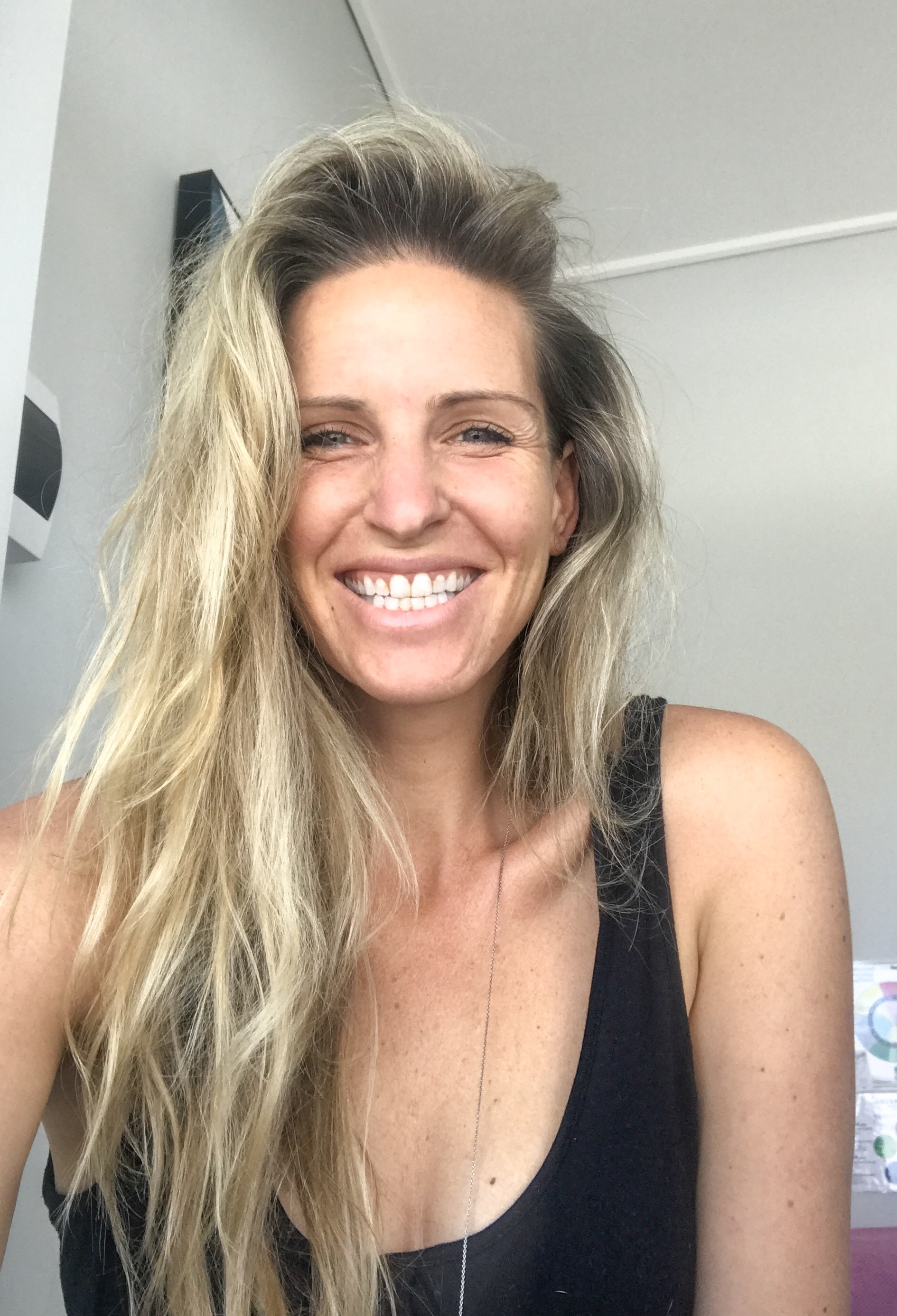
Founder and CEO, Family and Child Counsellor
Jacintha Field is the founder of Happy Souls Kids, a pioneering platform that leverages the influence of athletes to help children aged 5–12 build resilience, mindfulness, and self-regulation through gamified storytelling.
Her journey began in the most personal way. After her separation in 2019, Jacintha’s son experienced big emotions that were difficult to navigate. Despite her own training in yoga, breathwork, and meditation, she realised children needed tools taught in a way that truly connected with them. She retrained as a Family and Child Counsellor, Art Therapist, and Play Therapist, and opened a private practice in Torquay.
In her work, Jacintha saw firsthand how long children were waiting to see psychologists, often six to twelve months. It broke her heart that other kids were on long, extended waits, especially in moments when families needed help urgently. This became the spark for a global vision: to create a platform that supports children and families immediately, with tools that are engaging, relatable, and accessible.
Through Happy Souls Kids, Jacintha has brought together world-class athletes, educators, and storytellers to show kids that even heroes have tough days and that resilience, mindset, and emotional regulation are skills anyone can learn. The platform is expanding across schools, families, and sports clubs, with a mission to reach over 100,000 children by 2027.
Beyond Happy Souls Kids, Jacintha is a published writer and sought-after podcast guest, featured in HuffPost, Mamamia, Kidspot, Thrive Global, WellBeing,… Read More
